
Updated September 2026.
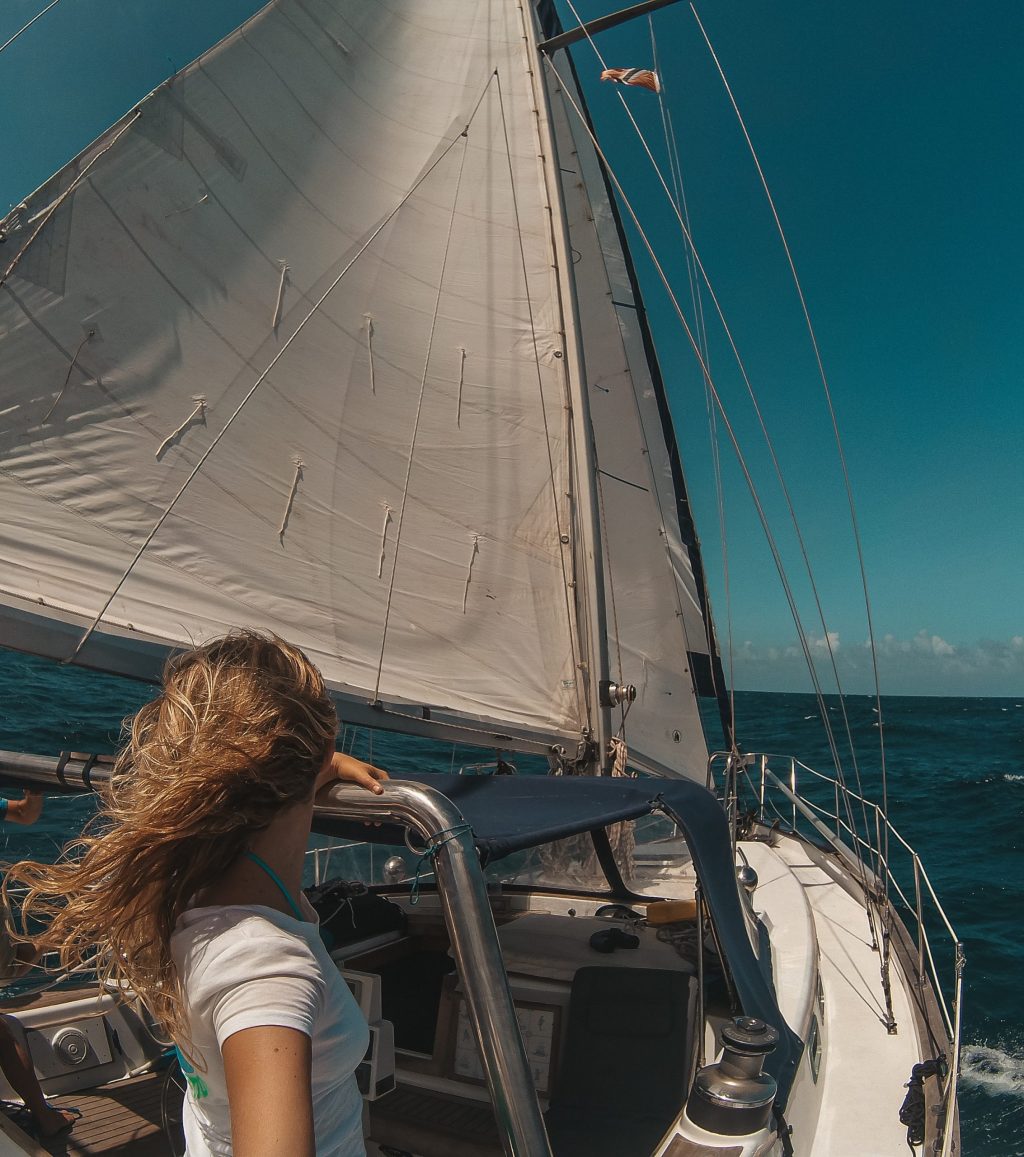
I arrived in Dominica by sailboat, straight off an Atlantic crossing, craving fresh fruit and solid ground. I meant to stop for a few days. I kept coming back, and the days turned into months. Dominica does that to you. It's the Nature Island: rainforest, rivers, waterfalls, hot springs, whales offshore and reefs you can almost step into from the beach. Not a resort-and-cocktail island, a wild one. It sits between Guadeloupe and Martinique, the two big French islands either side, and most people have never heard of it. That's half the charm. Here's how to travel it, from someone who slowed right down and let it sink in.

First-hand: I travelled Dominica over four to five months across a few visits. I first came in 2016, writing my book, and got stuck ashore for about two months. In 2023 I sailed back in with Ocean Nomads, 21 days from the Canary Islands on a hundred-year-old classic ship (my 5th Atlantic crossing, my 4th Caribbean winter), and thru-hiked the Waitukubuli end to end. I got around on foot, by local bus and by boat, dived and freedived the south, and did a work-exchange for a while. Everything below is from that, not a press trip.
Dominica at a glance. The Nature Island of the Caribbean, not to be confused with the Dominican Republic. Volcanic, green and mountainous, with the 184 km Waitukubuli National Trail, world-class diving, and rivers and hot springs everywhere. Come for hiking, diving, whales and rainforest, not for white-sand beaches and nightlife. Best months are the drier December to April. Currency is the Eastern Caribbean dollar (EC$). There's no big international airport, so most people arrive via a neighbouring island, or, like me, by boat.
Table of Contents
- Is Dominica worth visiting?
- Best things to do in Dominica
- How long do you need in Dominica?
- Towns: where to base yourself
- When to go
- Getting there and around
- Where to stay in Dominica
- Eat local
- How to travel Dominica more lightly
- Frequently asked questions
- Explore more
- You may also like
Is Dominica worth visiting?
Yes, if you travel for hiking, rainforest, diving and wild nature. If you're after beaches and nightlife, pick another island. If your idea of the Caribbean is a lounger and an all-inclusive buffet, Dominica will confuse you. There's barely a resort strip. What there is: mountains that disappear into cloud, more rivers than days in the year (the locals say 365), boiling lakes and sulphur springs, and some of the best shore diving anywhere.
Come here if you love nature, hiking, diving and slow days. Skip it if you want beach clubs and easy luxury. That's the whole island in a sentence.
My way of travelling Dominica
Go slower. I planned three days and stayed months. You don't need to see every waterfall, you need enough time to notice which river you'd happily go back to tomorrow.
Go closer. I walked, took the local bus, sailed and swam. Every time I travelled slower, I saw more.
Go lighter. I filtered my water instead of buying bottles and carried out what I carried in. The rivers are the whole point, keep them clean.
Go deeper. I shopped the market, ate where locals ate, and kept asking what things were for. That's where the island opened up.
Go wild. Given the choice, I took the rainforest, the river and the trail over the thing I was supposed to photograph.
Best things to do in Dominica
Hike the Waitukubuli National Trail
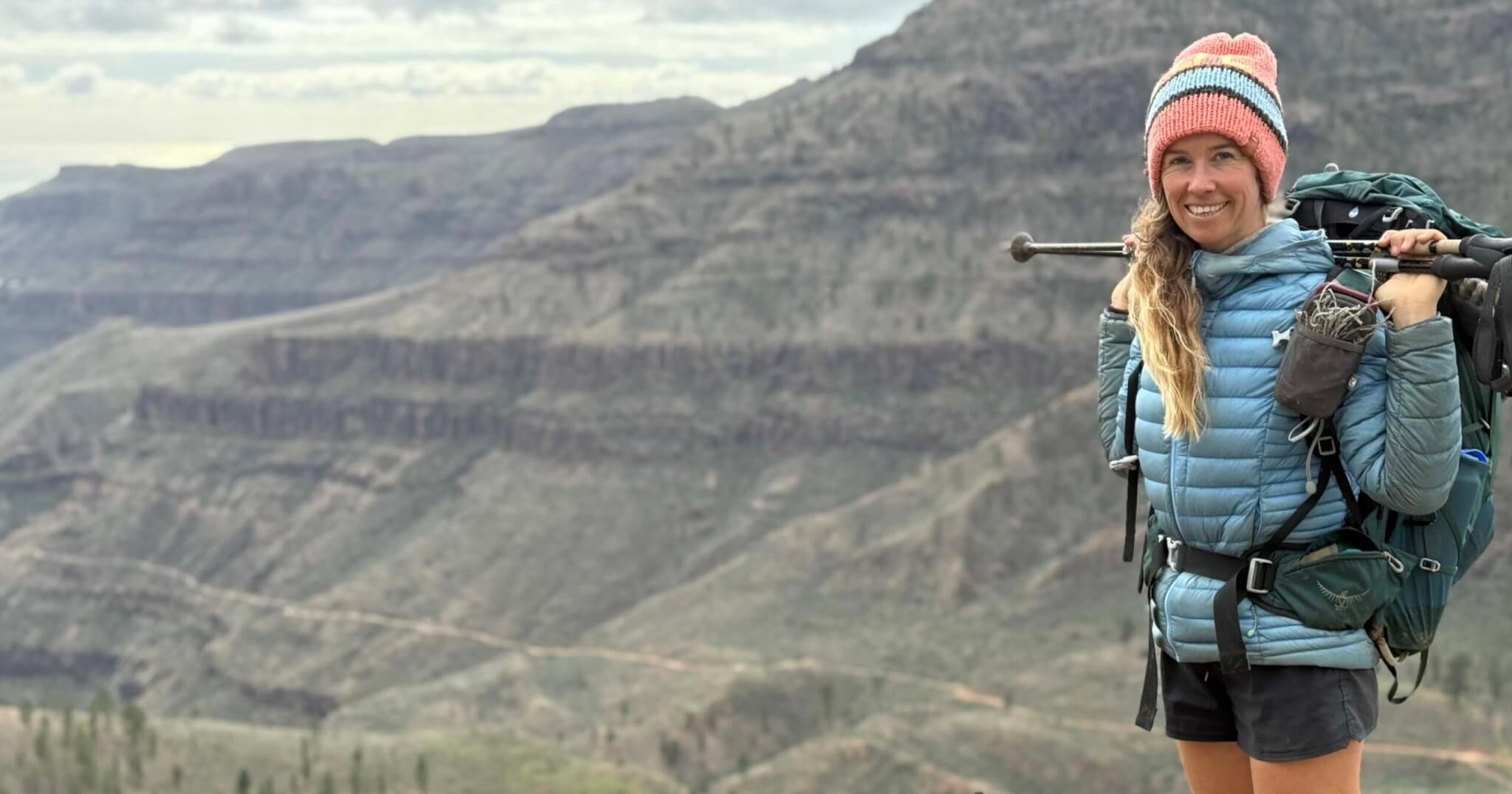
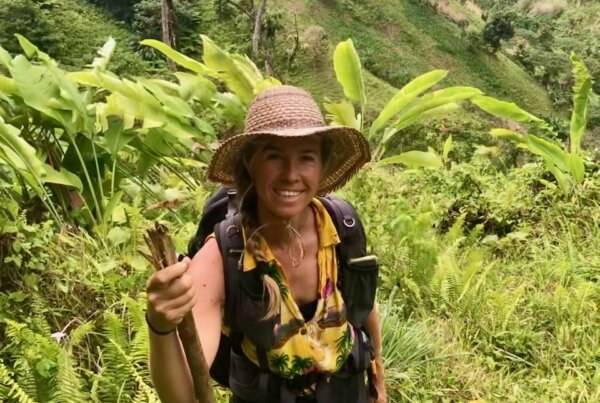
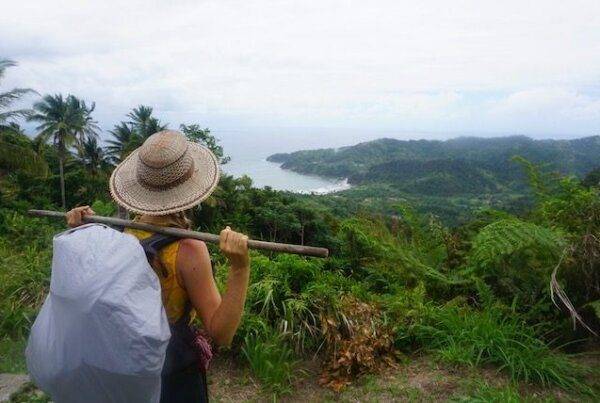
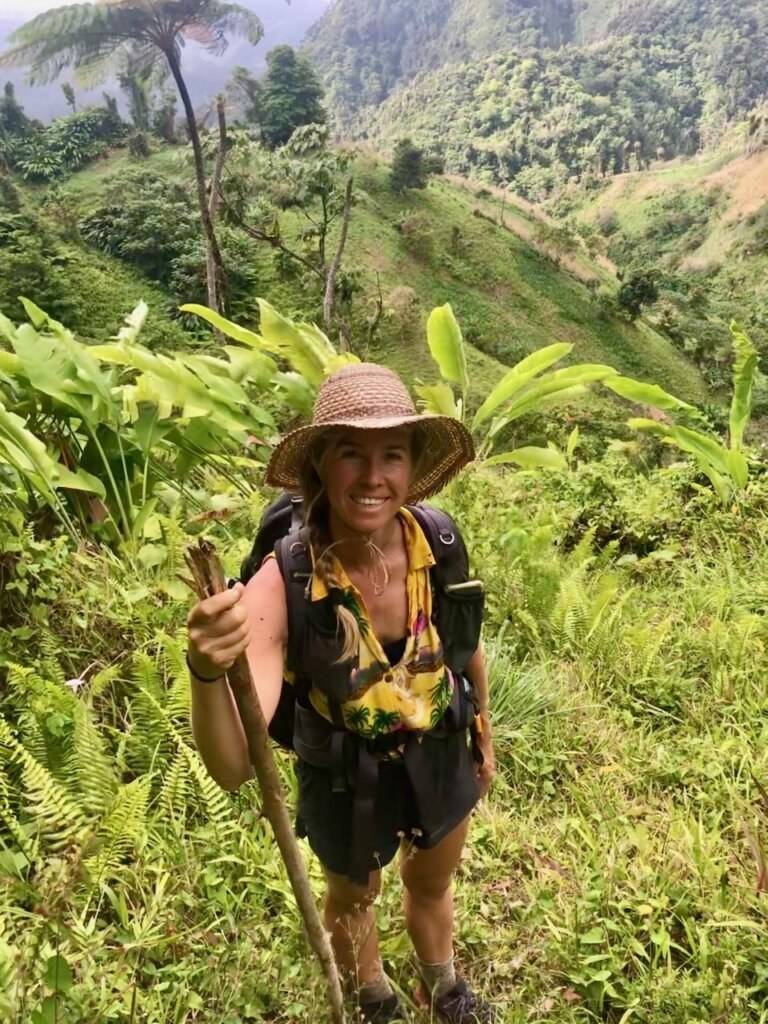
The Waitukubuli is the Caribbean's first long-distance trail, running roughly 184 km from the south of the island to the north in 14 segments. You can walk the whole thing over about two weeks, or pick single segments for a day in the jungle. It's steep, wet, wild and gloriously uncrowded. Don't underestimate the rain: I ended up preferring it wet, once I stopped trying to keep my feet dry. Download the segments offline on AllTrails before you go, signal is patchy and the junctions aren't always obvious. I hiked it and wrote it up in detail, both a practical guide and a trail diary: We were the first hikers to complete the whole trail in one go. Others had hiked sections. Everybody believed the full trail wasn't possible. It even made the newspapers in Dominica.
- Hiking the Waitukubuli National Trail: the full guide
- Waitukubuli National Trail diary, what the days actually felt like
When we arrived from the Atlantic in March 2023 and asked around, nobody could tell us whether the full trail was even possible. Hurricane Maria had wiped out sections in 2017, bridges had collapsed, and no one we met had finished it since. Then, walking the streets of Soufriere, I bumped into Jon, who I'd met six years earlier as a freediving buddy. He never left the island, built a guesthouse there, and had been clearing sections of the trail himself. According to him it should be possible, except for segment 8, which he went out and cleared a few days before we set off. So we started in Soufriere, one of my favourite basecamps in the tropics, straight up a big hill through a thousand shades of green. Twelve days later we walked into Cabrits, apparently the first to finish it end to end since Maria. The coconuts people handed us in the Kalinago Territory, the first river dips at River Claire after two and a half days of tropical sweating, none of that is on the segment maps. One warning: segment 8 is the wild one, dense and technical. Don't do it alone.

Dive and snorkel Scott's Head and Champagne Reef
The south of Dominica is a funderwater world. At Scott's Head, where the Caribbean meets the Atlantic, you drop into an underwater forest and a drop-off wall almost from the shore. Champagne Reef nearby has warm volcanic bubbles rising through the water like, well, champagne. You barely need a boat. Some of the best dives I've done, and the snorkelling is nearly as good.
Chase waterfalls, rivers and hot springs
This is where Dominica really shows off. Trafalgar Falls, Emerald Pool and Middleham Falls are the famous ones. Titou Gorge is a swim through a narrow canyon to a waterfall. Then there are the hot and sulphur springs to soak in after a hike, some signposted, the best ones you hear about from locals (ask Jon at the Soufriere Guesthouse, he knows the wild ones). Down by Soufriere, Bubble Beach has volcanic bubbles fizzing up through the sea while you swim. And the Boiling Lake: a hard full-day trek to a bubbling volcanic lake. Brutal, but surely worth it. Wherever you are, there's a river to cool off in.
Whales, and the wild coast at Portsmouth
Dominica is one of the few places on earth with resident sperm whales, and whale-watching trips run much of the year. In the north, Portsmouth sits on Prince Rupert Bay, with the quiet Indian River boat trip through the mangroves and the Cabrits headland to explore. The north coast around Calibishie is especially pretty, red rock, little bays. Dominica isn't a surf island, but if you surf you can get lucky on the right swell.
How long do you need in Dominica?
More than the guidebooks tell you. A rough guide:
- 3 to 4 days: the highlights. A couple of waterfalls, a dive at Scott's Head, one short trail segment.
- 1 week: enough to properly hike a few Waitukubuli segments, dive the south, and slow down a little.
- 2 weeks or more: the whole trail if you want it, more diving, and time to actually meet the island instead of ticking it off.
My real answer? I came for a few days and kept coming back. Months, in the end. Dominica rewards the ones who linger.
How I'd play it
One day: stay south. Dive or snorkel Scott's Head, then Trafalgar Falls. Don't try to car-hop the whole island.
Arriving by boat: base around Portsmouth, do the Indian River and the Cabrits, and anchor in Prince Rupert Bay.
If it's raining (it will, it's a rainforest): lean in. Hot springs, river pools, a waterfall. The island is better wet.
Strong hiker: a Waitukubuli segment, or the hard full-day Boiling Lake trek.
A week: base in the south for the diving and waterfalls, walk a couple of trail sections, and give two days to the quieter north.
Towns: where to base yourself
The three towns worth knowing: Roseau, the small, colourful capital on the west coast, best for markets, buses and getting to the southern waterfalls and dives. Soufriere in the south, right by Scott's Head and the sulphur springs, and one of my favourite basecamps in the tropics. Portsmouth in the north, near the Indian River, Cabrits and a good base for the northern trail segments.
If I had to choose: Roseau or the south for a first trip (the diving and the famous waterfalls are close), Portsmouth if you want a slower base and the northern trails. I wouldn't base in the north and try to dive the south daily. You'll spend the trip crossing the island.
When to go
The drier season, roughly December to April, is the easiest time for hiking and diving, and it's when I was there over one very green Christmas. It's the Nature Island though, so “dry” is relative, expect rain and mud on the trails whenever you come, and pack for it. Hurricane season runs June to November, when it's wetter and quieter, and boats (and prices) thin out.
Getting there and around
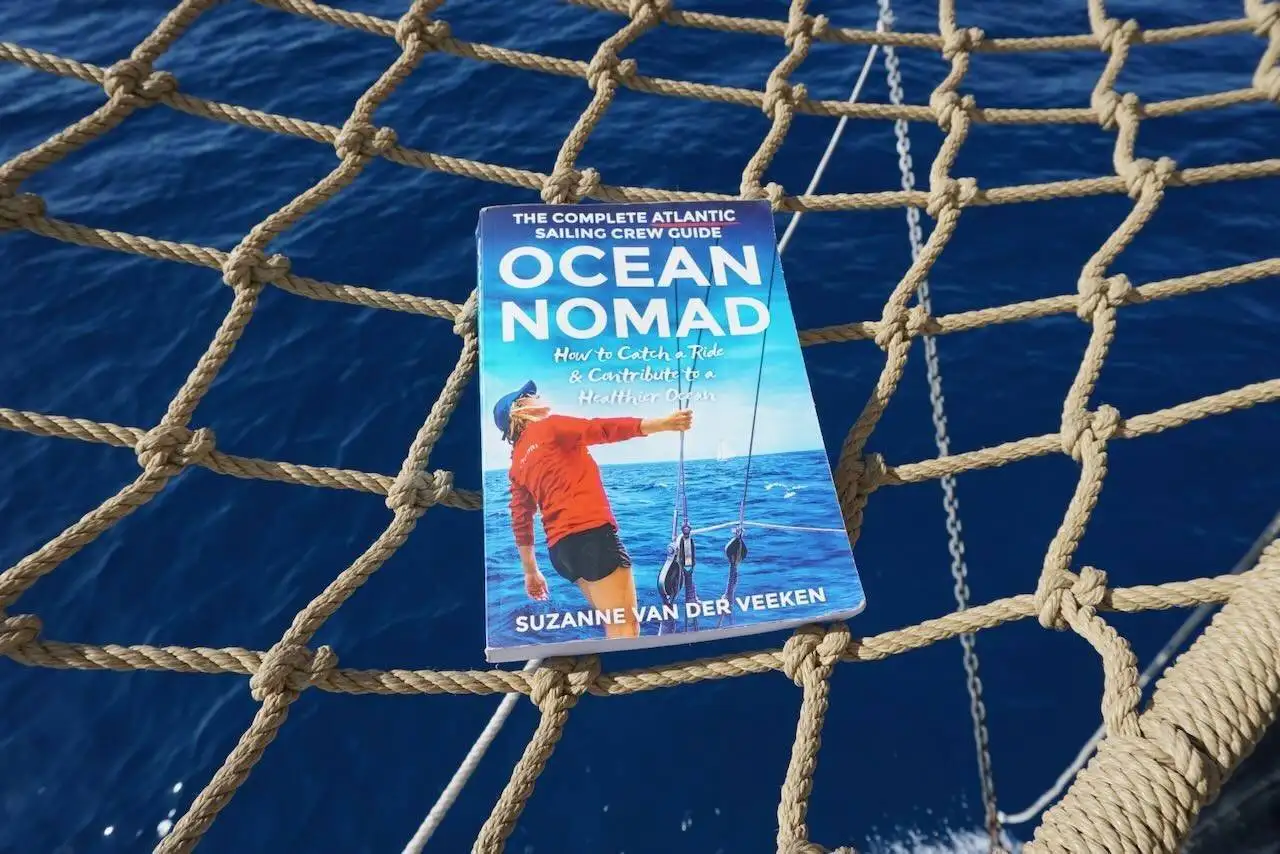
Dominica has no large international airport, which is part of why it stays wild. Most travellers fly into a neighbouring island and connect on a small plane to Douglas-Charles, or take the ferry from Guadeloupe or Martinique. Or you arrive the way I did, by sailboat, straight into Roseau or Portsmouth. If you fancy that route, my guide to finding a sailboat ride as crew is where to start, and you can see where the fleet gathers on the Ocean Nomads community map. You can cross the Atlantic yourself as crew, join an Ocean Nomads sailing trip, or read the whole story and the how-to in my book, Ocean Nomad.
On the island, local buses (shared minivans) run between the towns cheaply, no real timetable, you just flag them down. Taking the bus is easy and half the fun. Renting a car gives you the waterfalls and trailheads without the wait, and you'll need a local permit that car-hire desks sort for you. For data, an Airalo eSIM works the moment you land, no hunting for a local SIM card.
Where to stay in Dominica
Dominica does eco-lodges and guesthouses far better than big hotels, which suits the island. Base near Roseau or Soufriere for the south (diving, waterfalls), or Portsmouth for the north. As a rough guide: budget means guesthouses, camping and work-exchanges; mid-range is small local hotels around Roseau; and the special end is the rainforest eco-lodges Dominica is known for. Given the choice, I'd take a simple room I can walk to the market from over a resort that needs a car for everything. The map compares live prices across Booking, Agoda and the rest so you can see what's around each base.
Where I'd sleep
My pick: Soufriere Guesthouse (map). Jon's place. Simple rooms, shared spaces, a freedive crowd around the table, and the single best source of up-to-the-minute trail info on the island. Jon cleared the Waitukubuli himself after the hurricane, so if you're hiking, sleep your first night here and talk to him before you set off. Scott's Head and the sulphur springs are on your doorstep. Ocean Nomads members get a member rate, just ask.
Backup, for the hot springs: Tia's Bamboo Cottages in Wotten Waven (map), with its own hot springs. Wotten Waven is where I ended segment 3, and it's the village to be in when your legs are done.
The special one: Cocoa Cottages (map), chocolate-themed jungle lodges with a hot tub and meals on site, a short drive off segment 4.
On a tight budget, Dominica rewards it. I did a work-accommodation exchange here (weeding, dishes, a bit of online marketing in return for a room), camped where the temperature made it easy, and met locals through Couchsurfing. For the whole toolkit, see how to travel the cheapest Caribbean islands on a budget and the house and boat sitting sites I use.
Eat local
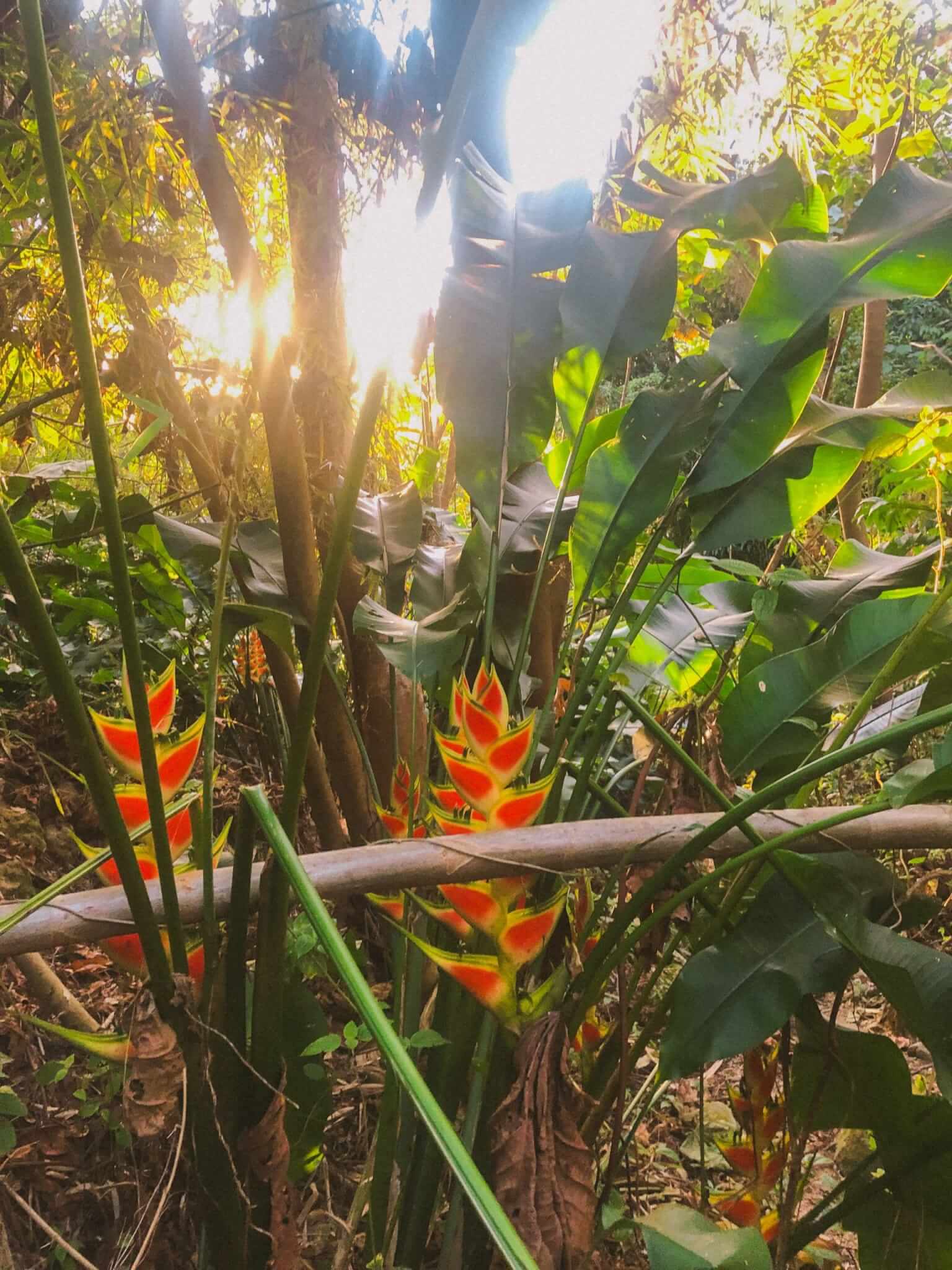
This was my favourite part. Dominica's rich volcanic soil grows almost everything: banana, papaya, avocado, guava, breadfruit, noni, almond and coconut, plus ginger, turmeric, cacao, nutmeg and cinnamon. Shop the Roseau market, eat at the little local spots instead of the marina restaurants, and try farine (from cassava) at least once. Learn to open a coconut and you're basically set.
Coconuts, obviously. On the trail we got invited for coconuts here and there, and near Pont Cassé a farmer walked out and handed us the biggest coconut I have ever seen. He knew the friends I'd stayed with in 2016, whose off-grid eco camp Maria later took, and his own house had just gone in a landslide. A wild place to hike, and a wilder place to live. The kindness here, and how strong people are from a life spent outside, is the thing I keep coming back for.
Years before I ever studied Ayurveda in Kerala, Dominica had me hooked on exactly the plants it leans on: fresh turmeric and ginger, cinnamon, raw cacao, bay leaf. In Roseau I kept finding little street gems: castor oil sold off a table the way you'd buy tomatoes, bush teas, cold-pressed oils, roots I had to ask the name of. I became slightly obsessed, forever asking people what things were for. The island is a bit of a natural pharmacy, if you're curious enough to ask.
How to travel Dominica more lightly
Dominica leans into its Nature Island identity, and it's on visitors to match it. Carry your own water and filter it instead of buying plastic. The rivers and springs are part of the appeal, so keep them clean. Take everything out of the trail with you. Buy from the markets and small local operators. That way the money stays on the island. And give the reefs and rivers the same respect you'd want. I saw beautiful shores here and trashed rivermouths in the same week. Which one wins is partly up to us.
What I wish I'd known
That the land is pricier than the Caribbean-on-a-budget dream suggests. Staying ashore in Dominica stretched my budget more than I expected, so plan for it. That there's no quick way in: the ferry or the little plane takes some arranging, unless you sail. And that the rain never really stops, so the sooner you make peace with wet feet, the better a time you'll have.
What I wouldn't bother with
Trying to tick off every famous waterfall in a rented car in two days. You'll spend the trip driving and see the island through a windscreen. Pick one area, walk more, and let the rainforest set the pace. And don't come for a Caribbean beach holiday, Dominica isn't that island, and it's better for it.
My favourite moment
The whole shape of it, really: sailing in after the Atlantic and watching those green mountains rise out of the sea, freediving the south into the underwater forest, walking the Waitukubuli through the jungle, sinking into a hot spring at the end of a long wet day, and one night on segment 8 with a river for a bed and a million stars for a roof. Sea to trail to steam. That sequence is Dominica for me.
My take: Dominica is one of the best Caribbean islands for hikers, divers and anyone who'd rather swim in a river than sit beside a resort pool. If I had one week, I'd base in the south for the diving and waterfalls and give the rest to the trail.
Frequently asked questions
Is Dominica the same as the Dominican Republic?
No, they're two different countries. Dominica (the Nature Island, pronounced dom-in-EE-ka) is a small English-speaking island in the Eastern Caribbean. The Dominican Republic is a much larger Spanish-speaking country sharing the island of Hispaniola with Haiti, hundreds of miles away. This guide is about Dominica.
Is Dominica worth visiting?
Yes, if you love nature, hiking, diving and slow travel. Dominica has rainforest, the 184 km Waitukubuli National Trail, waterfalls, hot springs, resident sperm whales and superb shore diving. It's not the island for resort holidays or nightlife, and that's exactly why it stays special.
How do you get to Dominica?
There's no large international airport. Most people fly into a neighbouring island and connect on a small plane to Douglas-Charles airport, or take the ferry from Guadeloupe or Martinique. Sailors arrive by boat into Roseau or Portsmouth.
What is the best time to visit Dominica?
The drier season from December to April is best for hiking and diving. It's a rainforest island, so expect some rain and mud year-round. Hurricane season (June to November) is wetter, quieter and cheaper.
Is Dominica expensive?
Accommodation in the Caribbean isn't cheap, but Dominica is one of the friendlier islands for a budget. Guesthouses, camping, work-exchanges and local buses keep costs down, and market food is cheap and superb. See my Caribbean on a budget guide for the detail.
Wild at heart? Let's be friends.
Join me on YouTube for slow travel adventures by van, sail and on foot.
Or get my new stories by email, every couple of weeks.
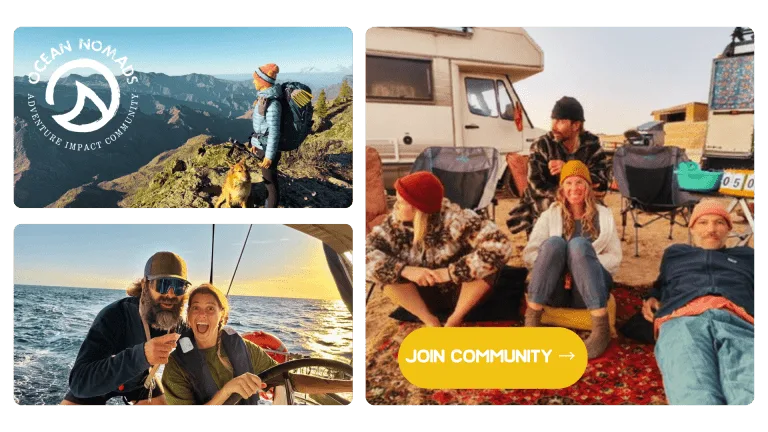
Ocean Nomads is the community I founded, for people who want to live a little wilder, explore a little further, and do it with good people.
For deeper trail stories and the behind-the-scenes, I write on Patreon.
Explore more
Read next
 Waitukubuli National Trail Diary
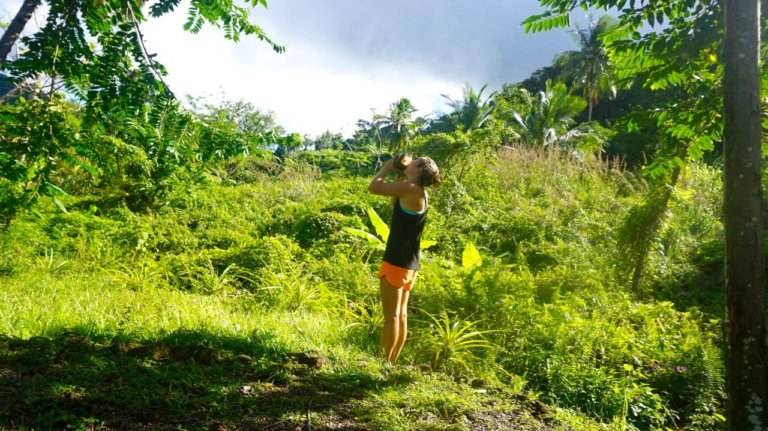 Becoming a wilderness women: Off the grid eco camp in Dominica
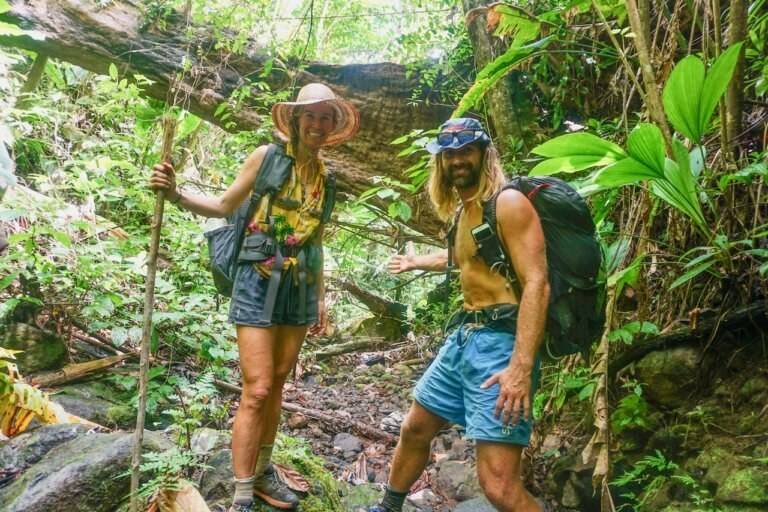 Hiking the Waitukubuli National Trail: the full guide (2026)
 All my Dominica posts
Watch on YouTube
Planning your first multi-day hike? I'm finishing a field guide for exactly that, Your First Hike, out this autumn. Join the waitlist and you'll get it first, at a launch price.
One email when it is ready, with the launch price. You can unsubscribe at any time.
I put all my Caribbean islands into one guide, for people who arrive by boat and stay longer than planned. Dominica is the biggest chapter, with the Waitukubuli segment by segment. The Caribbean guide is almost ready. Join the waitlist and you hear first.
One email when the Caribbean guide is ready, with the launch price. You can unsubscribe at any time.
Dominica got under my skin more than almost anywhere in the Caribbean. Give it more time than you think you need. For the wider region, see my guide to the cheapest Caribbean islands and how to travel on a budget. Everything I use to travel this way lives on my travel resources page.
Stay wild,
Suzanne
You may also like
- Cheapest Caribbean islands and how to travel on a budget
- Hiking the Waitukubuli National Trail: the full guide
- Waitukubuli National Trail diary
- How to find a sailboat ride as crew
- Best house and boat sitting sites
- Best hiking apps for thru-hiking
- Best travel water filter, tested on trail, boat and van