

Table of Contents
- Best composting toilets compared: price, weight and who each suits
- What is a compost toilet?
- Why I love having a compost toilet in my campervan
- Compost toilet vs chemical toilet for van life
- Downsides of a compost toilet
- Who a compost toilet is not for
- How to use and maintain a compost toilet
- The 7 best portable composting toilets for van life and sailing
- Brand vs brand: the comparisons people ask about
- High-end options: Nature's Head and OGO
- Best composting toilet for off-grid, cabins and tiny houses
- How to choose the right compost toilet for you
- Where to buy a portable compost toilet
- Frequently asked questions
- Which composting toilet should you buy?
- Explore more
Updated September 2026.
Taking the van somewhere wilder this winter? I put everything I learned vanlifing Morocco and Western Sahara, the ferry, the dog, wild camping and what it all costs, into my Roadtrip Morocco & Western Sahara guide.
I live with a Kildwick in the van. But the best one depends on your space and budget. Boxio is the budget pick. Trelino is compact and plug-and-play. Separett is tough and made for off-grid life. See the comparison table for prices, weights and who each one suits.
You may like reading: Is van life worth it? What seven years in my van taught me
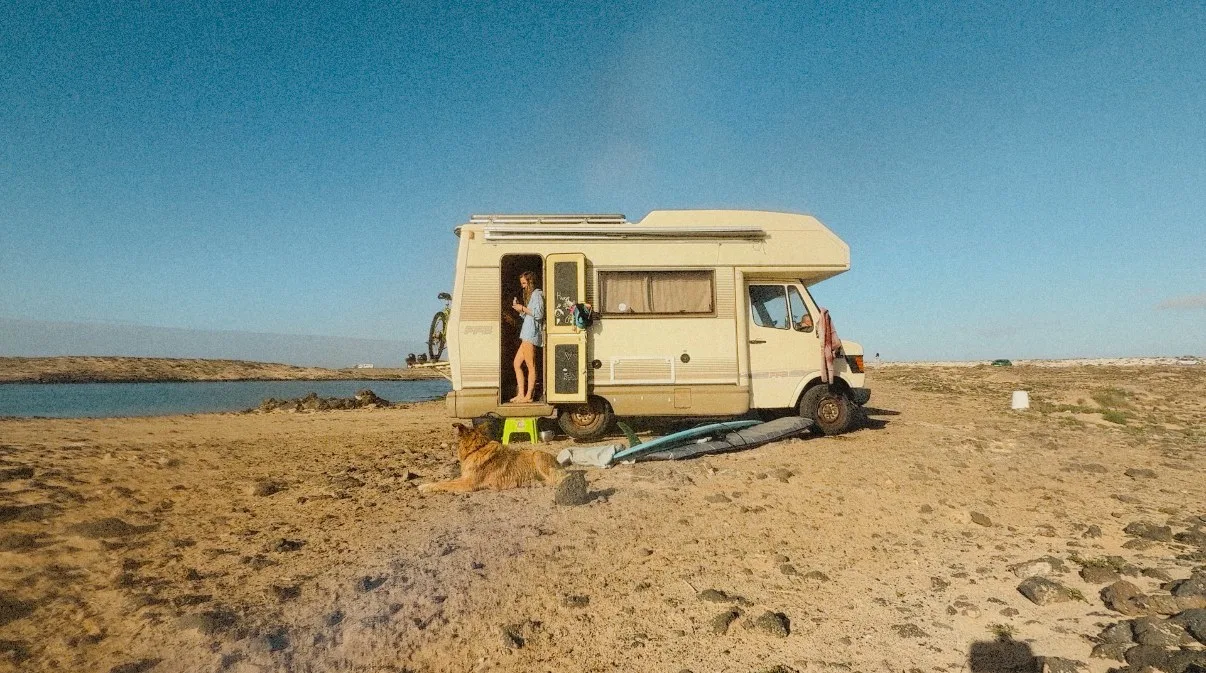
Hey wild one. I'm writing this from a parking spot somewhere wild. I've lost count of how many days I've been here. The surf break is right in front of me. The nearest shop or facilities are far away.
If I had a chemical toilet, I'd already have left to find a dump station. And that's exactly what I don't want this lifestyle to become. Now I can stay longer. Move less. Live simpler. Keep things low impact in the places I care about.
From experience comes awareness. From caring comes action.
“With a chemical toilet I'd be leaving by now. Not because I wanted to, but because the toilet would decide for me.”
Somewhere between a remote beach, a mountain pass, and a quiet anchorage, you realise something simple: you need a toilet. And suddenly this tiny detail starts shaping your whole day. Where you park. Where you sail. How long you stay.
I've tried the alternatives. Holding it. Scouting for public toilets. Chemical cassettes. None of it felt like freedom. Switching to a portable composting toilet changed that. I've used one in my van every day for over two years. I've crossed oceans and seen them on sailboats across the Atlantic, in tiny houses, in off-grid cabins. I wouldn't go back.
So this is my take on the best composting toilet for van life, RVs, sailboats and off-grid living, and which portable composting toilet to buy for each. Nine brands compared, with brand-vs-brand picks from two years of real-world use, what I've seen on other people's boats and vans, and where to buy in the UK and EU.
Which one should you pick?
I have the Kildwick MiniLoo Hydro in my van. It's light and compact. In over two years it never smelled. But it's not the only good one. Pick by your situation.
Small budget or small space: Boxio. Compact and plug-and-play: Trelino. Tough and off-grid, with spare parts worldwide: Separett. A built-in fan: Cuddy. Sailing across oceans: Nature's Head.
Best composting toilets compared: price, weight and who each suits
The best composting toilet for most vans is the Kildwick MiniLoo Hydro, the one I live with. Boxio is the budget pick, Trelino the compact plug-and-play one, Separett the tough off-grid choice, and Nature's Head or OGO for boats with power to spare. Prices, weights and who each suits are in the table.
The 7 portable composting toilets I shortlisted when I was buying mine, ranked from budget to premium.
| Brand | Price | Weight | Where to buy | Best for |
|---|---|---|---|---|
| DIY Compost | €50 – €300 | Varies | Build it yourself | Cheapest, fully customisable, needs DIY skill |
| Boxio | €200 – €400 | 5 – 8 kg | Check price | Budget, small spaces, car camping |
| Trobolo | €200 – €600 | 8 – 15 kg | Check price | Multiple sizes, stationary or mobile |
| Separett | €300 – €600 | 10 – 12 kg | Check price | Durability, off-grid, global spare parts |
| Kildwick (in my van) | €350 – €600 | 5 – 10 kg | Check price | Lightweight DIY kit, value for money |
| Trelino | €400 – €700 | 7 – 14 kg | Check price | Stylish design, customisable |
| Cuddy | €500 – €700 | 5 – 7 kg | Check price | Modern, built-in fan, LED pee indicator |
| Nature's Head | See shop | See shop | Check price | Sailboats and long ocean passages |

What is a compost toilet?
A compost toilet is a dry toilet that separates liquid waste from solid waste. No water, no flushing, no chemicals. The magic happens thanks to a urine diverter that redirects liquids to one container and solids to another. Kept dry and separate, solids don't smell and they start the composting process naturally.
It looks and sits like a normal western toilet. You just don't flush it.
How you empty it
The urine container I empty about once a week, somewhere responsibly, far from water sources and never next to my neighbour's van. The solids I empty every 2 weeks or so, handled responsibly and well away from water, following Leave No Trace principles and local guidelines. If you're unsure, default to proper compost systems or designated disposal points. You never throw compost toilet solids in a regular bin or flush them down a regular toilet.
Why I love having a compost toilet in my campervan
No more scouting for bathrooms
This is the biggest one. Before the compost toilet, I could spend an hour a day trying to find a decent place to go. Public toilets closed, gas stations with no key, beach spots too busy. Now I just open the door of the van and sit down. It gave me back so much time and freedom.
No water, no chemicals, no electricity
Most portable composting toilets don't need any water, any chemicals, or any electricity (some have an optional fan). For off-grid living that matters a lot. Water and power are the two most precious things in a van or on a boat, and a compost toilet needs neither.
No disposal stations
I've never had a chemical cassette toilet, and I never wanted one. The idea of carrying chemicals around in my home on wheels, then driving to a dump station to get rid of the waste, feels backwards. Bad for the places I park in. Bad for the way I want to live. A compost toilet skips that whole loop.
It lines up with how I want to live
Low impact. No chemicals. No systems I don't understand. The toilet doesn't decide where I park anymore. Small thing, but it adds up.

Compost toilet vs chemical toilet for van life
If you're choosing between the two, here's how they stack up:
- Water: Compost toilets use none. Chemical toilets need water to flush the bowl.
- Chemicals: Compost toilets use none. Chemical toilets need specialised fluids you have to buy and carry.
- Disposal: Compost toilets let you empty responsibly wherever you are. Chemical toilets need dedicated dump stations, often at paid campsites.
- Freedom: Compost toilets let you stay in wild spots for weeks. Chemical toilets dictate when and where you have to be near a station.
- Smell: Modern compost toilets separate urine from solids, which is around 80% of the smell issue solved. Chemical toilets rely on blue liquid masking.
- Environment: Compost toilets are essentially waste neutral. Chemical toilets leave chemical residues in the waste disposal chain.
- Upfront cost: Chemical cassette toilets are cheaper to buy (€100-€300). Compost toilets are €300-€700 but save you money long-term on chemicals and dump station fees.
For full-time van life, sailing, or off-grid living, compost wins on every metric except upfront cost. I find chemical cassette toilets unfriendly on both fronts that matter to me: they're not great for the environment (chemicals into the waste chain), and they're not great for the lifestyle (dump stations dictate where you can go). They're cheaper to buy. That's about it.
Downsides of a compost toilet
- Cleaning yourself with water is trickier. Compost toilets are waterless and the urine separator adds a small space to navigate. With a portable bidet like Culo Clean it's doable, but it takes practice.
- You have to empty it yourself. Every 1-3 weeks depending on use, with a shovel, somewhere thoughtful. Some people don't want to deal with it.
- Upfront cost. A decent compost toilet is €300-€700. You save money over time versus a chemical toilet but the initial spend is real.
- Learning curve. The urine diverter only works if you sit down properly and don't overshoot. Took me about three days to stop messing it up. The first week I was cleaning the seat more than I was sitting on it. After that, it's automatic.
Who a compost toilet is not for
A compost toilet isn't right for everyone. Skip it if:
- You want zero maintenance and never want to think about your waste
- You mostly stay in campsites or marinas with facilities
- You don't want the learning curve or emptying routine
- You're only in your van or boat for short weekend trips
For everyone else, especially people who stay in wild places for long stretches, it's one of the best upgrades you can make.
How to use and maintain a compost toilet
Bags or no bags?
I don't use the bags. Compostable bags don't actually compost unless conditions are perfect, and they're often weaker than plastic bags. The last thing you want is a bag falling apart when you're emptying the toilet. I find using the bucket alone easier and cleaner. A little sand in the bottom makes emptying smooth.
Keeping it smell-free
Proper separation is 80% of smell control. After that, three things help:
- A spray bottle with water, vinegar and a drop of essential oil to rinse the liquid zone after peeing
- A little bag of activated charcoal hanging in the bathroom
- Coconut fibres (coco coir) in the solids container to absorb moisture and speed composting
Some people add a small fan for humid environments. Some of the higher-end models like the Cuddy have it built in. I don't have one and I've never needed it in my van, but if you're in the tropics year-round, it might be worth it.
Cleaning the toilet itself
No chemicals. I take mine to the ocean when there's no one around, rinse and scrub it with sand. Simple. At home you can just use water, vinegar and a cloth.

Quick decision shortcut
The 7 best portable composting toilets for van life and sailing
Ranked from most budget to premium. These are the ones I actually considered when buying mine.
1. DIY compost toilet
You can build one yourself with a wooden box, a urine diverter, and two containers. It's the cheapest route and fully customisable to your space.
Pros: cheapest option, built to your exact dimensions, uses locally sourced materials.
Cons: needs carpentry skills, the seal has to be perfect or it will smell, materials add up and can end up costing nearly as much as a kit.
I considered making my own but the costs added up and it was going to be a project. I ended up buying the Kildwick DIY kit instead, which gave me the satisfaction of building it myself with all the right parts included.
2. Boxio compost toilet
German company. €200-€400.

Boxio is the most affordable and compact of the serious compost toilets. Small enough to fit in the back of a car. I know ocean nomads who use them on sailboats and vanlifers who use them for weekend trips.
Pros: budget-friendly, lightweight, good for very small spaces or occasional use.
Cons: smaller capacity means more frequent emptying, basic design, fewer features.
3. Trobolo
German company. €200-€600.

Trobolo has multiple models from compact mobile units to bigger stationary ones. Good waste separation, low-smell operation, solid mid-range build.
Pros: multiple sizes, effective separation, works in mobile and stationary setups.
Cons: installation can be fiddly, larger models are bulky for very small vans.
I liked this one but my van's dimensions favoured a smaller option.
Check Trobolo prices and models
4. Separett
Swedish company. €300-€600.

Separett has been making compost toilets for 45 years in Sweden. Built tough, with a solid reputation among off-grid builders. The big advantage: spare parts are available globally, which matters if you travel internationally and something breaks.
Pros: durable, reliable urine-diverting tech, spare parts worldwide, good for full-time off-grid.
Cons: heavier than some competitors, fewer aesthetic options, bulky for tight spaces.
I considered building my own using Separett's urine diverter (they sell parts separately) but the Kildwick kit was better value in the end. Separett is a smart choice if you travel internationally or need spare parts access.
Check Separett prices and models
5. Kildwick (my pick)
German company. €350-€600.

I've been using the Kildwick MiniLoo Hydro Hydro in my van for over two years. It's a DIY kit which means you assemble it yourself: the box, separator, two canisters (solids and liquids), toilet seat and lid. Takes an hour or two.
My take: I'm not a mega fan of any compost toilet brand. They're toilets. The Kildwick works, doesn't smell, and was the best value when I bought it. After a year of daily use I haven't had a problem with it. That's enough for me.
Why I went with this one over the others:
- Light enough to install solo (8.2 kg)
- Less deep than most options, fits a tight bathroom
- Doesn't need a fan or any electricity
- 5-year material warranty
- DIY kit was actually fun to build
- Empties about once every 2 weeks
- Mid-range price, doesn't feel cheap
- Small German company
- Ships directly to the UK and most of Europe
Ocean Nomads members: Kildwick discount
If you're an Ocean Nomads member, you get a discount on Kildwick toilets. Membership pays itself off if you're buying a compost toilet anyway, plus you get the community of sailors, vanlifers and off-grid people behind it.
I wrote a full review of the Kildwick MiniLoo Hydro here.
Check Kildwick prices and models
6. Trelino
German company. €400-€700.

Trelino is where compost toilets meet design. If aesthetics matter to you and you want something that looks like real furniture (not a plastic box), this is the one. Customisable wood, colours, sizes.
If you've ever scrolled #vanlife on Instagram, the wooden Trelino is the one that keeps showing up. It's the photogenic option. People who buy these tend to care a lot about the interior of their van.
Pros: beautiful design, high quality materials, good urine separation.
Cons: pricier, customisation adds more cost, style-over-practicality for some.
Check Trelino prices and models
7. Cuddy
US company. €500-€700.

Cuddy has a modern look and is 5-7 kg which makes it one of the lightest. It has a built-in fan (needs a small power connection) and an LED pee-level indicator so you know when to empty.
Most of the people I see using these are sailing or living somewhere humid where the fan actually earns its keep. In a dry climate it's overkill.
Pros: modern aesthetic, lightweight, built-in fan for extra odour control, easy to use.
Cons: needs power connection for the fan, single size, top-end of the budget.
Brand vs brand: the comparisons people ask about
The questions I get asked most often are not “which compost toilet is best” but “is X or Y better for my van?” Here are the head-to-head comparisons that actually matter.
Trelino vs Trobolo
Both are German, both well-built, but they're aimed at different buyers.
Trelino is the design-led option. Wooden finishes, customisable colours, looks like furniture. €400-€700. Better if your van interior matters to you visually and you want something that doesn't look like a plastic crate.
Trobolo is the practical workhorse. More size options, more flexible (mobile or stationary), and the entry point is cheaper at €200. Better if you have a tight budget or you're building into a stationary tiny house.
My take: For a campervan where looks matter, Trelino. For function-first or tighter budget, Trobolo. The separation systems on both work equally well, so smell and performance are basically a draw.
Boxio vs Trobolo
Boxio is smaller, cheaper, and lighter. Its compactness is its whole appeal. 5-8 kg, fits in tiny spaces, €200-€400. Trade-off: smaller capacity means emptying more often (every 4-6 days for the urine container with regular use).
Trobolo gives you bigger capacity and multiple model sizes. You'll empty less often. Bulkier in tight vans but more comfortable for full-time use.
Boxio for car camping, weekend trips, or tiny vans where every cm matters. Trobolo for full-time vanlife or anyone with two people regularly using the toilet.
Boxio vs Trelino
Pretty different products despite both being German.
Boxio is the budget pick. Small, plastic, no-frills, works.
Trelino is roughly twice the price and looks twice as nice. Wood finishes, custom sizing, premium feel.
My take: If you can stretch budget and you're committing to long-term vanlife, Trelino is worth the extra. If you're testing whether compost toilets are even for you, or you're car camping, Boxio is plenty good.
Kildwick vs Trelino
The two German brands I personally compared most when buying.
Kildwick is the value pick at €350-€600. DIY kit, you build it yourself, lightweight (8.2 kg), 5-year warranty. The Mini Loo fits tight spaces. No fan needed. Ocean Nomads members get a member discount.
Trelino is the design pick at €400-€700. Pre-assembled, beautiful wood finishes, premium feel.
My take: I went with Kildwick because the price worked and assembling it was actually fun. If aesthetics are your number one and budget isn't tight, Trelino. For most vanlifers, Kildwick.
Nature's Head vs OGO
The two American premium options, both popular among full-time sailors and off-grid homesteaders.
Nature's Head is the established sailor classic. Hand-crank agitator (mixes solids manually), proven track record over 15+ years, very durable. The choice you'll see most often when someone has crossed an ocean.
OGO is the newer challenger. Automatic mixing (push a button instead of cranking), sleeker modern design, slightly more compact. Built-in fan.
My take: Nature's Head if you're a long-distance sailor and want something with a long track record. OGO if you want the modern user experience and don't mind paying for a newer brand. Both need a small power supply for the fan.
High-end options: Nature's Head and OGO
These two are American-made, pricier, and favoured by long-term full-time sailors and off-grid homesteaders. Both have distributors in Europe.
Nature's Head
The best-known compost toilet among sailors. Solid build, hand-crank agitator to mix the solids (speeds composting), urine-diverting system. Not cheap but it lasts and there's a good reason so many sailors across the Atlantic use it.
Pros: very durable, proven track record, hand crank agitator makes it low-maintenance.
Cons: expensive, bulky for small vans, needs a small power supply for the fan.
OGO
A newer American brand with an automatic mixing system (pushes a button instead of cranking). Sleek modern design, compact at 13 kg, urine-diverting tech, built-in fan.
Pros: modern design, automatic mixing, compact for what it does.
Cons: expensive, needs power, limited sizes.
Best composting toilet for off-grid, cabins and tiny houses
Most of this guide is about life on the move, vans and boats. But a lot of you are asking about the other end: a fixed off-grid setup. A cabin, a tiny house, a homestead, a narrowboat you actually live on. The priorities shift.
For a permanent off-grid home, I'd lean toward Separett. It's built for daily, year-round use, it's durable, and spare parts are available worldwide, which matters when it's your only toilet and you're nowhere near a shop. 45 years of Swedish engineering behind it.
For a tiny house or cabin where you want bigger capacity and less frequent emptying, a larger Trobolo model works well. They make stationary units as well as mobile ones. For a narrowboat, the same rules as a van apply: keep it lightweight and no fan needed, so the Kildwick or Boxio do the job.
The thing that changes off-grid is that the toilet stops being a travel accessory and becomes infrastructure. You want it boring and reliable. Prioritise warranty length and spare-parts availability over looks.
The unglamorous part
15 years on the road taught me one thing: the gear is the easy part. The hard part is everything around it. Staying motivated when the rain doesn't stop. Loneliness when you're the only one parked there. Building something that actually funds the life. The doubt that creeps in when everyone else seems to have it together.
That's what I write about deeper on Patreon. The stuff guides like this can't really cover.
How to choose the right compost toilet for you
Six things I'd think about before buying:
- Space and dimensions. Measure your bathroom area twice. Compost toilets vary a lot in depth and width.
- Weight. If you're in a small van or a sailboat, every kilo matters.
- Climate. Humid tropics or year-round dry? Humid environments benefit from a built-in fan.
- Where you travel. If you move between countries, look at brands with good shipping coverage (Separett has global spare parts).
- Power. Do you have solar or a house battery to run a fan? Or do you want to go completely off electricity?
- Budget. Budget options start at €200, premium options climb to €1000+. The mid range (€350-€600) is where most thoughtful buyers land.

Where to buy a portable compost toilet
To keep the supply chain short and the environmental impact low, buy as local and directly as you can.
Best compost toilet UK
The UK is one of the biggest markets for compost toilets in vans and narrowboats. All four German brands (Boxio, Trobolo, Trelino, Kildwick) ship to the UK directly, and Separett has UK distribution. For US brands like Nature's Head, you'll usually pay shipping plus import duties.
For most UK vanlifers and narrowboaters, the Kildwick is the best value once shipping is factored in. If you're on the tightest budget, Boxio. If your campervan interior is your pride and joy, Trelino.
Netherlands and Belgium
Offgridcentrum stocks Separett, Trobolo and other brands. All the German brands also ship directly to the Netherlands.
Germany
Most brands (Boxio, Trobolo, Trelino, Kildwick) are German so you can buy directly. For premium American brands like OGO or Nature's Head, Tomtur is a good distributor.
Rest of Europe
All the brands above ship within Europe.
USA
Cuddy, OGO and Nature's Head are US brands you can buy directly. Nomadic Supply carries a range of options.
Frequently asked questions
What is the best portable compost toilet?
For most vanlifers and sailors the Kildwick MiniLoo Hydro hits the best balance of price, quality, weight and compactness. It's lightweight (8.2 kg), doesn't need a fan, has a 5-year warranty, and only needs emptying every 2 weeks. Budget alternative: Boxio. Premium with built-in fan: Cuddy. For sailboats specifically, Nature's Head is the most battle-tested.
What is the best composting toilet for a campervan?
It depends on your space and budget. For tight vans on a budget, Boxio. For best balance of price and quality, Kildwick (my pick). For aesthetics, Trelino. For the highest spec with built-in fan, Cuddy. The thing most vanlifers underestimate is depth, measure your bathroom space twice before ordering.
What is the best compost toilet for a campervan in the UK?
For UK vanlifers and narrowboaters, the Kildwick MiniLoo Hydro is the best value once shipping is factored in. It ships directly from Germany to the UK, doesn't need a fan, and weighs just 8.2 kg. For tight budgets, Boxio is the cheapest serious option. If aesthetics matter most, Trelino. Separett also has UK distribution if you want global spare parts access.
Do compost toilets smell?
When working properly, no. Around 80% of toilet odour comes from urine and solids mixing. The urine diverter keeps them separate, so neither smells. A bit of coco coir or sawdust in the solids container helps further. I've had no smell issues in over a year of daily use without a fan. The only times people report smells are when the diverter has been overshot, the seal isn't tight, or the solids container needs emptying.
How often do you empty a compost toilet?
Urine container: about once a week with regular use. Solids container: every 2-3 weeks depending on how many people are using it and the size of the container. Smaller models like Boxio need emptying more often (every 4-6 days for urine) because of capacity.
Where do you empty a compost toilet?
Urine can be poured in a wild area far from water sources, or down a regular toilet. Solids need to go in a deep hole dug away from any stream or river, or in a proper composting setup at home. Never in the regular bin, never in a regular toilet, never near fresh water.
Do compost toilets need electricity?
Most don't. Basic models like Kildwick, Boxio and Trobolo work fully without power. Higher-end models like Cuddy, OGO and Nature's Head have built-in fans that need a small power connection (typically 12V, very low draw, fine for solar). In humid climates a fan is worth it, in dry or temperate climates you probably don't need one.
Compost toilet vs chemical cassette toilet: which is better?
Compost toilets don't use chemicals, don't need disposal stations, and don't have a cassette that sloshes around on bumpy roads. Chemical toilets are cheaper upfront but more hassle and less eco-friendly long-term. If you're full-time on the road or off-grid for long stretches, compost wins on every front except upfront cost.
Can I use a compost toilet on a sailboat?
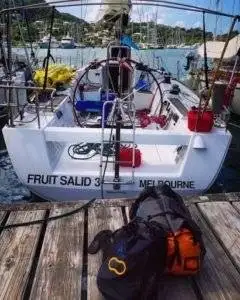
Yes, and many sailors do. Nature's Head is the most popular choice among ocean cruisers. Separett and Kildwick are also used on boats. The main consideration on a boat is motion (the urine diverter needs to work when the boat heels) and ventilation in humid marine air, which is why Nature's Head with its fan is so popular for ocean crossings.
What is the best composting toilet for off-grid living?
For full-time off-grid use in cabins or tiny houses, Separett is hard to beat. 45 years of Swedish engineering, durable, and spare parts available globally. For mobile off-grid (van, boat) the Kildwick or Nature's Head are better suited. Off-grid users tend to value durability over aesthetics, so prioritise warranty length and parts availability over design.
Are compost toilets legal?
In most countries for private use in vans, boats and off-grid properties, yes. Disposal laws vary by country and region, so always empty responsibly and check local rules for permanent installations. For a vehicle or vessel used for travel, you generally have the same rights as a campervan owner with a chemical toilet.
How do I clean myself on a compost toilet?
Toilet paper goes into the solids container. If you want to use water too, a small portable bidet like Culo Clean does the job, just aim carefully to keep the urine diverter working properly.
How much does a compost toilet cost?
Budget options like Boxio start around €200. Mid-range options (Trobolo, Kildwick, Separett) sit between €300-€600. Premium options (Trelino, Cuddy, Nature's Head, OGO) run €500-€1000+. The DIY route can be done for under €150 if you have the parts and skills. Most thoughtful buyers land in the €350-€600 range.
Trelino vs Trobolo: which is better?
Trelino is the design pick: wooden finishes, customisable colours, looks like furniture. €400-€700. Trobolo is the practical workhorse: more size options, mobile or stationary, cheaper entry point at €200. The separation systems on both work equally well, so smell and performance are basically a draw. For a campervan where looks matter, Trelino. For function-first or tighter budget, Trobolo.
Boxio vs Trobolo: which is better?
Boxio is smaller, cheaper, and lighter (5-8 kg, €200-€400). The trade-off is smaller capacity, you'll empty it more often. Trobolo gives you bigger capacity and multiple model sizes, so you'll empty less often, but it's bulkier in tight vans. Boxio for car camping, weekend trips, or tiny vans. Trobolo for full-time vanlife or two people regularly using the toilet.
Boxio vs Trelino: which should I choose?
Boxio is the budget pick: small, plastic, no-frills, works. Trelino is roughly twice the price with wood finishes, custom sizing and premium feel. If you can stretch budget and you're committing to long-term vanlife, Trelino is worth the extra. If you're testing whether compost toilets are for you, or you're car camping, Boxio is plenty good.
Kildwick vs Trelino: which one?
Kildwick is the value pick at €350-€600: DIY kit you build yourself, lightweight (8.2 kg), 5-year warranty, no fan needed. Trelino is the design pick at €400-€700: pre-assembled, beautiful wood finishes, premium feel. Kildwick wins on price-to-quality ratio. Trelino wins if your van interior matters a lot to you visually. Ocean Nomads members get a discount on Kildwick.
Nature's Head vs OGO: which is better for a sailboat?
Nature's Head is the established sailor classic: hand-crank agitator, 15+ year track record, very durable. The choice you see most often when someone has crossed an ocean. OGO is the newer challenger: automatic mixing (push a button), sleeker modern design, slightly more compact. Nature's Head if you want a long track record. OGO if you want the modern user experience. Both need a small power supply for the fan.
Which composting toilet should you buy?
Switching to a compost toilet was one of those changes that didn't feel dramatic at the time. A year on, I don't think about it anymore. That's pretty much the highest compliment a toilet can get.
If you're full-time on the road or off-grid for long stretches, it's worth the upfront cost. If you're a weekend camper at serviced sites, probably not.
My pick is the Kildwick MiniLoo Hydro because it's the one I bought and it works. Any of the seven above will do the job. Match it to your space, weight, climate and budget. And if you're an Ocean Nomads member, you get a discount on Kildwick on top.
The rest of my van setup, from water filters to power, is on my travel resources page.
You may like reading: Dakhla kite and surf guide.
Stay wild.
With love, Suzanne
Wild at heart? Let's be friends.
Join me on YouTube for slow travel by van, sail and on foot.
Or get my new stories by email, every couple of weeks.
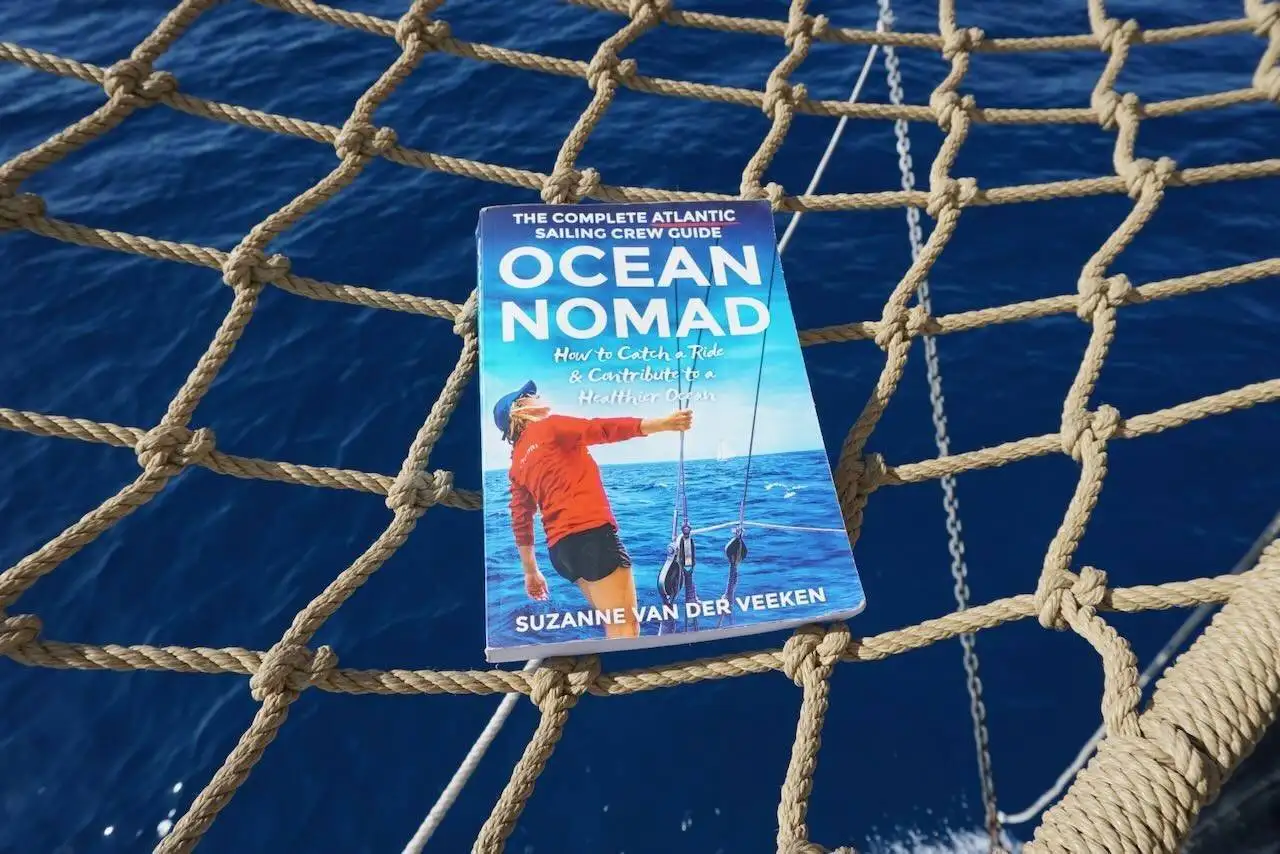
Ocean Nomads is the community I founded, for people who want to live a little wilder, explore a little further, and do it with good people.
For deeper trail stories and the behind-the-scenes, I write on Patreon.
Explore more
Read next
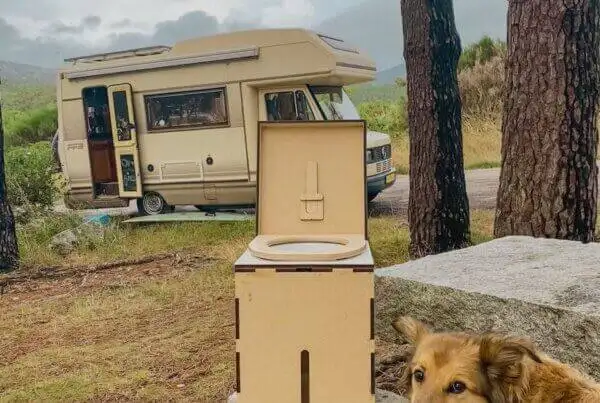
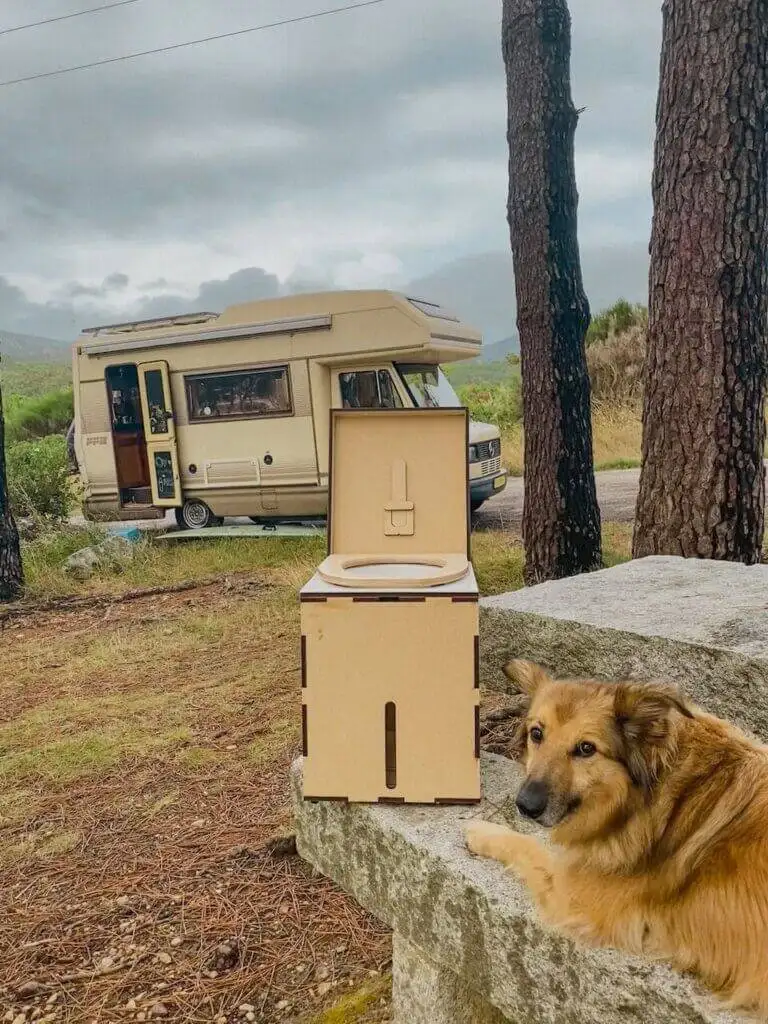 My Kildwick compost toilet review
 Van life gifts: what lives in my van
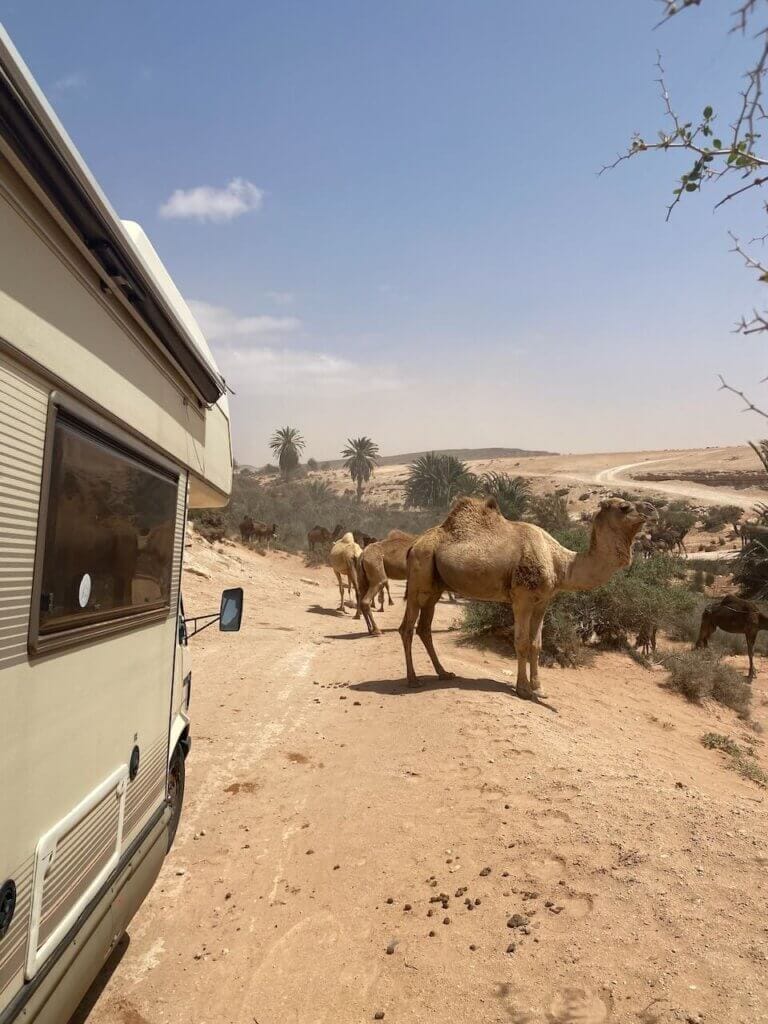 Vanlife in Morocco with a dog
 Best travel water filters
 My zero-waste travel kit
 All my vanlife stories
Watch on YouTube


Some links are affiliate links. At no extra cost to you, they give me a tiny piece of the pie. That raises the adventure fund and helps me keep exploring and creating. I only recommend things I truly love and use myself. Huge thanks if you buy through this website (but try to find it second-hand or locally first!).
Have you tried a composting toilet? Which one? Drop a comment below.
Disclaimer: opinions are my own. If you buy a compost toilet via the links on this page, at no extra cost to you, a small commission helps me keep creating content about ocean action and natural living. Kildwick sent me my toilet in partnership with me and the Ocean Nomads community. I am not paid to write this and everything above is my own experience.