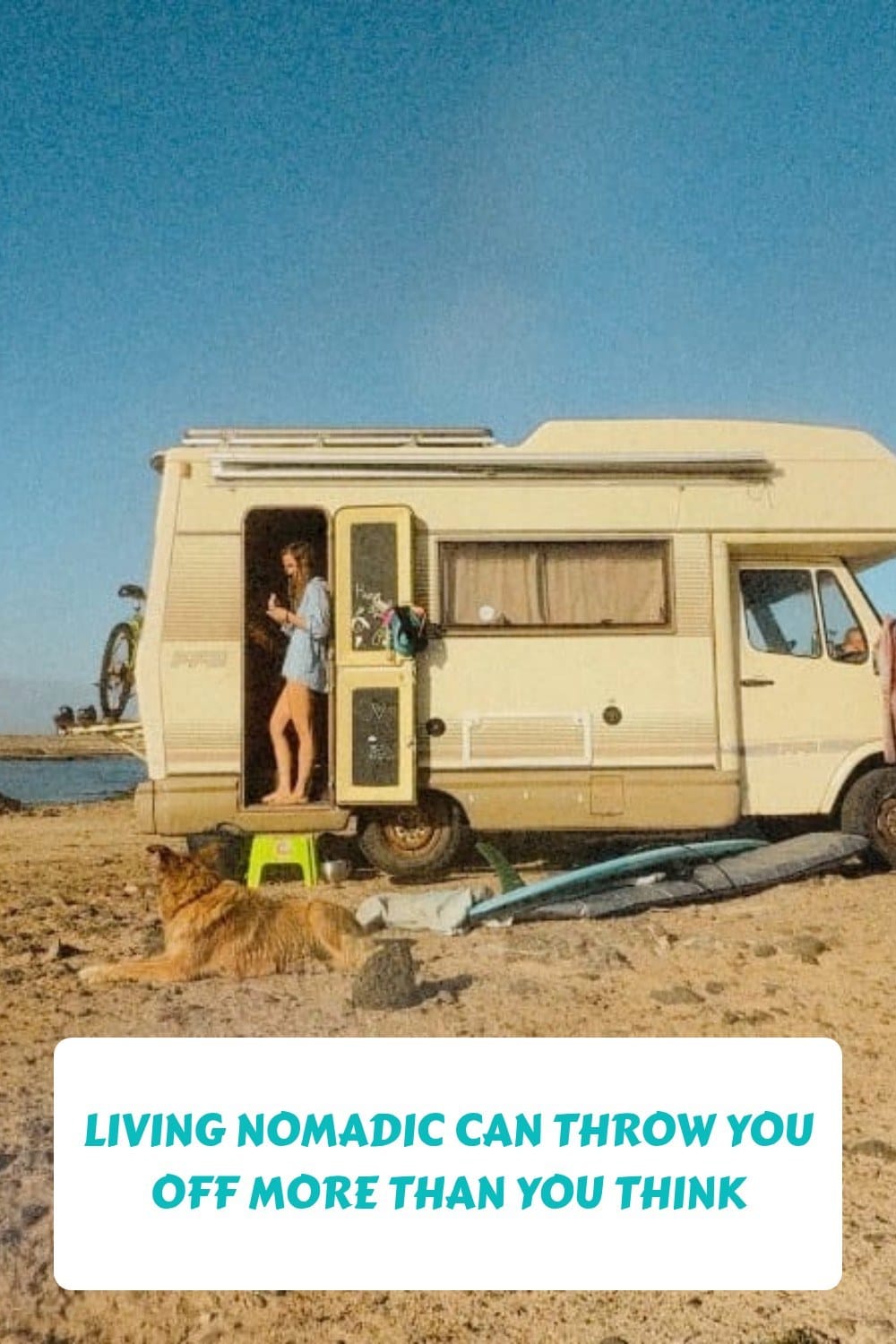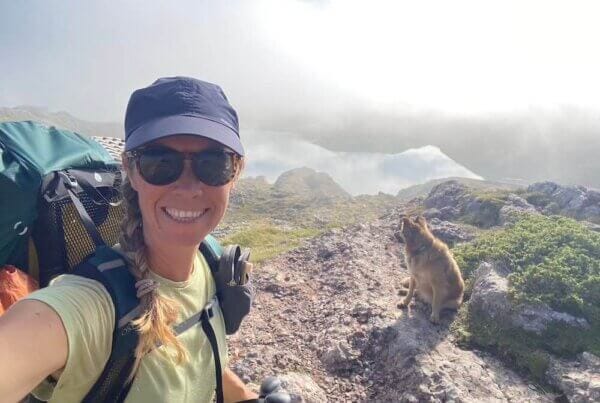

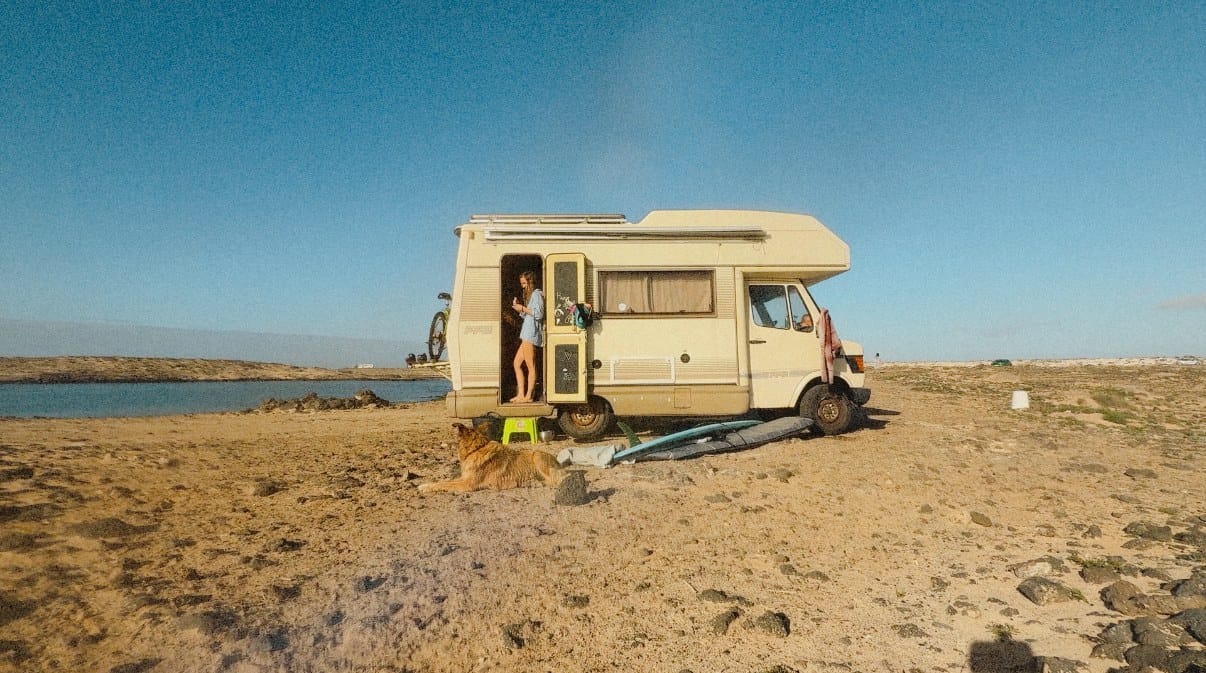
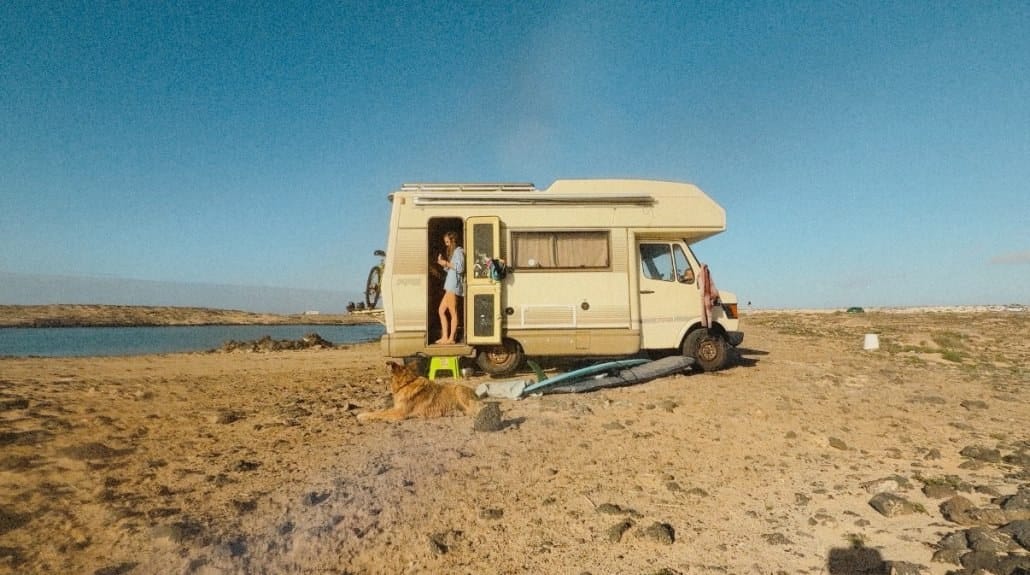
I'm writing this from my campervan parked next to the ocean in Fuerteventura. The wind shakes the van a little bit. It almost feels like I'm on a sailboat but without being ruled by the wind. It's my 6th month in the Canaries, and 5th? winter here. I lost count.
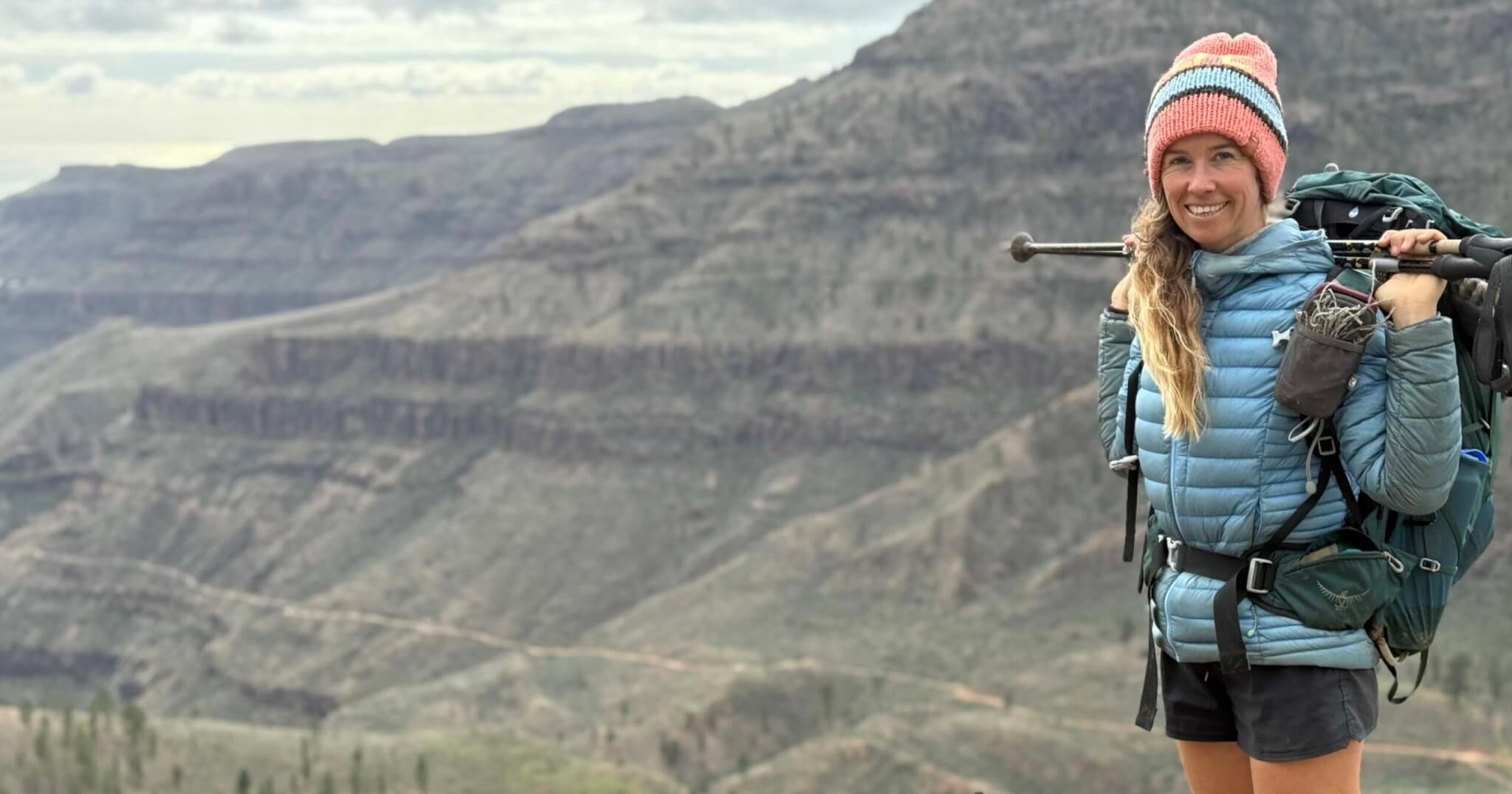
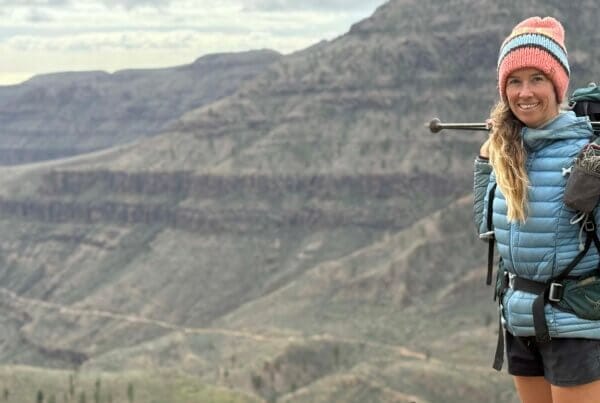
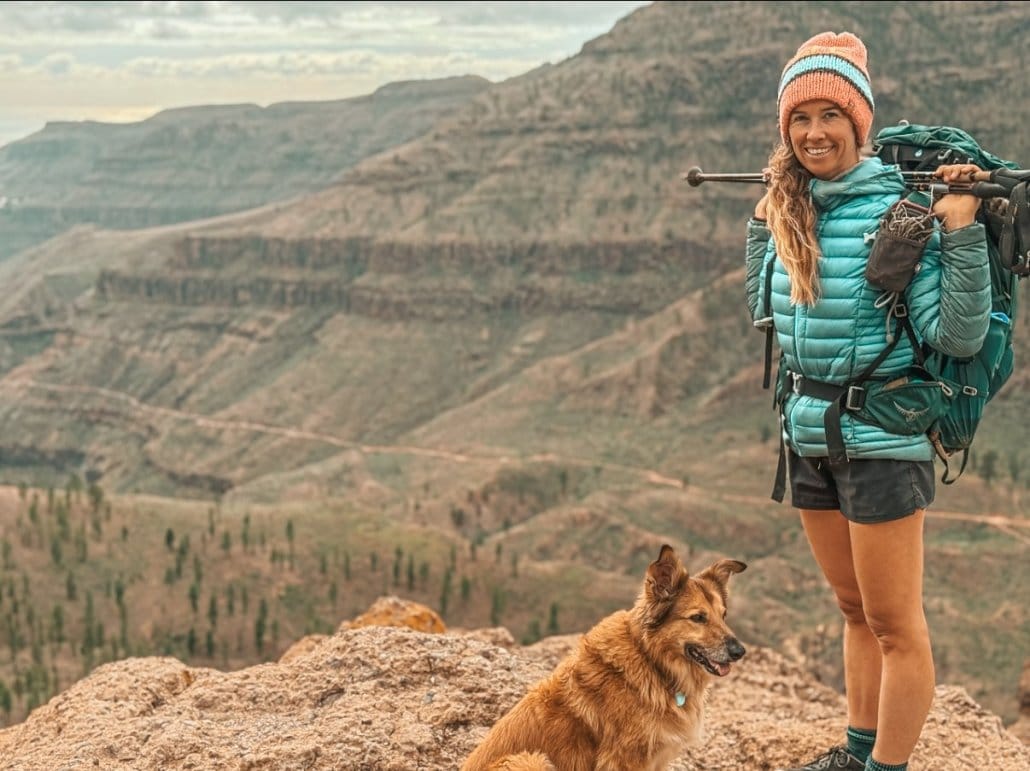
I've sailed in and out of here many times. Hiked across Fuerteventura, Tenerife and most recently Gran Canaria. It's been a great winter base camp once again. Living slow, surfing, hiking, working on the foundations of my own life and on Ocean Nomads.
I just turned 40. It made me realise I've been living this kind of nomadic life for most of my adult years now. By sail, by van, on trails. That's wild isn't it? Always moving with the seasons. With my curiosity and the drive to keep exploring.
Living nomadic isn't grounding by default
From the outside this life can look very healthy. And often it is. That's also why most stories I share are about getting you out there, to connect with nature, to live with nature.
But living nomadically can also throw you off if you're not careful. In subtle ways which add up over time. It's a lot of moving, changes, choices, decisions, discomfort, adjustments, planning, anticipating.
Whether it's sailing, vanlife or hiking longer trails, it's exciting and memorable. To make it into a sustainable lifestyle you have to approach it differently.
A friend told me recently that what she finds inspiring isn't even the nomadic life itself, but that I seem to stay grounded in it after all these years. I had to think about that. Because I know very well how it feels when I'm not.
Living outdoor nomadic lifestyles is not automatically grounding. You have to make it grounding. The only way this is working for me long-term in a healthy way is through simple things I keep coming back to.

Why nomadic life throws you off (in ayurveda this is called vata aggravation)
Ayurveda has been a big part of all the above for me for years. A decade ago I started learning about it. About 5 years ago I started to dive deeper and practice. It gave me a real understanding of what's happening in my body. How to recognise subtle imbalances. How to come back into balance before the imbalances start to accumulate.
In ayurveda, travel and nomadic life aggravate vata. Vata is the dosha of movement, air, irregularity, change. Constant moving. Different climates. Irregular meal times. Broken sleep. Anticipating the next thing. All vata-aggravating. And by nature I also have a lot of vata. After two decades nomadic, I know vata aggravation in my body before I know what to call it. Restlessness. Dry skin. Light sleep. Anxiety that feels like it has no source. Feeling disconnected from the place I'm in.
What may throw me out of balance is different for you. But what's true for everyone: every time we have to adapt to a new situation, a form of stress occurs. We have to change along with our changing surroundings, in one way or another. Ayurveda gives you the language and the tools to do that without burning out.

What helps me stay grounded after 20 years on the road
None of this is fancy or costs much. Simple practices that make a huge difference.
Feet on the earth. Every day.
Multiple times a day I put my feet on the earth or in the ocean, barefoot. It literally grounds you. The science calls it earthing. Ayurveda calls it bringing the body back to prithvi (earth element) when air and space are over-dominant which can easily be the case with sailing or hiking in high altitudes. Whatever the name, ten minutes of bare feet on sand or grass is the cheapest grounding tool you have. Feet in the ocean has a similar effect. So if you're sailing oceans and feel a bit off there somewhere offshore, simply put your feet in the ocean.
Sunlight on the face first thing in the morning
That alone already changes how I feel and how I sleep. Step out of the van, the boat, the tent, the room. Sun on the face. A few minutes is enough. It sets your circadian rhythm, regulates cortisol, and tells the body which time zone you're actually in. Especially helpful after a long sailing passage, or a stretch of nights too short. A bit of sunlight in the morning sets you up for a good sleep at night.
A simple ayurvedic morning routine
Nomadlife easily disrupts routine. But I managed to keep a few simple things every morning, no matter where I wake up:
- Tongue scraping with a copper tongue scraper. Removes the night's accumulated ama (toxins). Even on a hike (where every grams count) I bring a tongscraper (a little branch or leaf could also do the job)
- Oil pulling with sesame or coconut oil. Five to ten minutes swishing while I do other things.
- Warm water with a pinch of sea salt. Hydrates on a cellular level, replaces minerals, gentle on digestion. Better than cold water first thing.
- Dry brushing the body with a natural-bristle brush. I don't do this every day but at least when I'm in my van. Wakes up the skin, stimulates lymph, grounding for the nervous system. Or when on the beach just do a little sandscrub.
Nothing complicated. Sets the tone for the day. Flushes out what built up overnight. I really swear by it. The whole routine takes 10 minutes and the kit fits in a small pouch.
Kansa massage in the evening
Kansa is an ancient Indian massage tool. A small bronze bowl or wand. I keep a kansa wand in the van and do a few minutes of foot massage with it most evenings before bed. Pressure on the soles pulls vata down out of the head and into the earth. Sleep follows easily.
Wool socks at night
Warm feet are grounding feet. Cold extremities aggravate vata. I keep a pair of handmade wool socks in the van for the cold parts of the year and put them on as soon as the sun drops. Bonus version: a few drops of warm sesame oil on the soles, then the socks, before sleep. The classical ayurvedic move for restless nights.
Warm, simple, grounding food
Food and spices make a big difference. Warm, simple meals, especially when I've been moving a lot. Root vegetables literally help you root. My body handles them much better than random cold food.
I cook with grounding spices: ginger, cinnamon, cumin, fennel. They warm the body, support digestion, and bring things back into balance when you're constantly adapting to new places. I keep them in a masala dabba, the traditional Indian spice box, and a small spice grinder for whole spices when I have the time. Fresh-ground cumin smells nothing like the pre-ground stuff.
The classic ayurvedic meal for vata is kitchari: rice and mung dal cooked with ghee and warming spices. Cheap. Simple. Restorative. I make it after long passages, after long hikes, after stretches of bad food. And when I ran out of all the fresh stuff somewhere wild. Kitchari is a meal you can make with food that last in storage.
Eating at regular times is important to stay in balance. Vata likes rhythm. The body learns when to expect food and produces digestive fire (agni) accordingly. Skip meals or eat at random times for a week and you feel it.
I make my own golden milk in the van. Loose turmeric, ginger, cinnamon, black pepper, simmered five minutes in hot water or oat milk. Ghee or honey off the heat. A grounding nightcap that does more than tea. The two ayurvedic herbs I travel with as supplements are triphala for digestion after long passages or stretches of trail food, and ashwagandha when the nervous system needs adapting more than I can do on my own.
Live with the weather, not against it
I really live with the weather. Not against it. Plans get adjusted accordingly. Not forcing plans has been a big shift. Tough when friends or family come to visit on a schedule, but those who understand really love me. The same with living more with the moon and my own cycle. Letting intuition guide things more. Some days are for doing. Some are for reflecting and processing.
Stay longer in places
This might be the biggest impact maker in staying grounded while living a little wild. Moving every few days sounds exciting, but for me it's draining. I see my van more as my home than an exploration machine. Six years it has been my base camp.
With hiking the trails it's different. Then you move every day, but with your own body, at a slow pace, with your own rhythm. The van is the place where I slow down. Same instinct as slow travel: depth over distance. The single most vata-pacifying choice you can make.
Do less
Not trying to see everything. Not filling every day. Leaving space. There's always some variables with this lifestyle. You have to keep space for those too. I still feel wildly ambitious and curious, so it's something I have to consciously be mindful of. That's also why I revisit places, like Fuerteventura. I've been to pretty much every town on this island, with the van, by foot, sailing. There's not much temptation to see more.
Community is grounding too
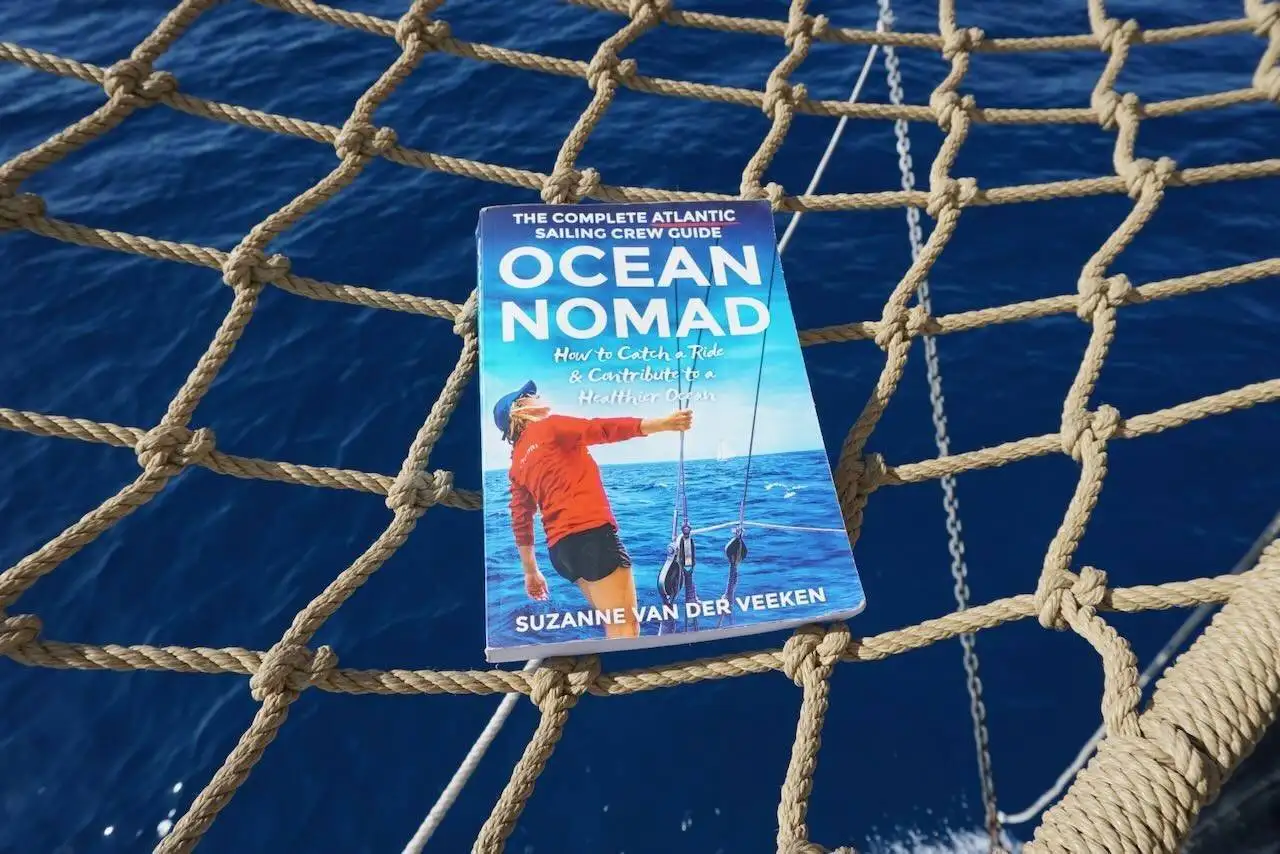
Having a community who has your back wherever you roam plays a big part in staying sane in nomadic life. Ocean Nomads is still everything to me. Not just for me. Seeing how everyone helps each other with their wild adventurous dreams and missions, that's what keeps the lifestyle from becoming isolating.
The dog
A last thing that's very grounding in nomadic living is my dog. With him I can only go so many places. Less overwhelming of options. Daily walks. Total presence from him. He's my greatest inspiration and grounding being. Sometimes the limitations we give ourselves are what actually give us more freedom.

What is ayurveda for travelers
Ayurveda for travelers means using ancient practices, warm grounding food, daily oil routines, simple morning rituals, to counter the disorientation of constant movement. Travel aggravates vata, the dosha of movement and air. Grounding practices help the body keep up with long passages, irregular schedules, the small daily stress of always adapting. So you can keep moving without burning out.
How this connects to slow travel
Slow travel is the outer version of this. Staying longer in fewer places. Walking instead of flying. Eating where locals eat. Ayurveda is the inner version. Same instinct, applied to the nervous system instead of the itinerary. You can't live wild without rooting somewhere.
Living a wilder lifestyle by sail, van or foot needs a different kind of care. The movement. The weather. The constant change. The body and the head both ask for it, year after year, or the lifestyle stops being sustainable.
A few ayurveda & natural living books I keep coming back to
If you want to go deeper, three books I'd start with:
- Vasant Lad, The Complete Book of Ayurvedic Home Remedies. The practical primer. Symptom by symptom, herb by herb, how to recognise and treat imbalances at home. The one I keep coming back to.
- Kate O'Donnell, Everyday Ayurveda Cooking for a Calm, Clear Mind. The food angle. Recipes by season, by dosha, by what your body is asking for. Lives in the van with me.
- Johanna Paungger and Thomas Poppe Moon Time: The Art of Harmony with Nature and Lunar Cycles I found this book in a tiny little second hand book shop in a small french village and it changed my life and how I approach living with nature, and the moon.
- Dr. Robert E. Svoboda Prakriti Your Ayurvedic Constitution Very well written and articulated introduction to ayurveda and to learn more about your personal constitution.
All three are on Bookshop.org, the ethical alternative to Amazon (your purchase supports independent bookshops).
If you'd rather watch and listen than read, there are good starter courses on Udemy. Ayurveda 101 is the one I'd point a beginner to. Cheap, accessible, covers the foundations of doshas, daily routine, and food.
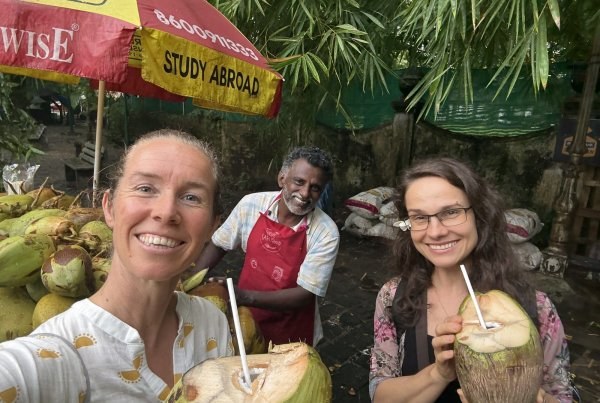
I'm now in India deepening my knowledge and learnings. You can follow along on Patreon for the up to date stories and deeper insights I'm sharing over there.
Where to find good quality Ayurvedic tools and herbs?
Etsy is where you get the handmade pieces (copper scraper, natural-bristle brush) near you. The Ayurveda Experience has also a nice range of high quality ayurveda supplies. If you're in Germany or anywhere in Europe, Sat Nam Versand is the German one-stop ayurveda shop with high quality items.
Frequently asked questions
What is vata aggravation?
Vata is the ayurvedic dosha (constitutional energy) of movement, air and space. When vata is over-stimulated by travel, irregular schedules, dry climates, cold food, broken sleep or constant decision-making, it goes out of balance. Common signs: dry skin, light or interrupted sleep, restlessness, anxiety without obvious cause, constipation or irregular digestion, feeling spacey or disconnected from the place you're in.
How does travel affect your dosha?
All travel aggravates vata to some extent because travel itself is movement, change and irregularity. Sailing brings constant motion of the boat, broken sleep on watch rotations, salty dry air. Vanlife brings irregular schedules, climate shifts, days of driving. Thru-hiking is the most mixed: hard exertion pulls vata up, but walking at your own pace in the sun pulls it back down. Long flights and time zone jumps are the fastest aggravators of all, which is one reason to avoid them.
What ayurvedic foods are best for travelers?
Warm, cooked, oily, slightly heavy. Root vegetables (sweet potato, carrot, beetroot). Soaked oats. Soups. Stews. Kitchari is the go-to (rice and mung dal cooked with ghee and warming spices). Avoid cold raw food, dry crackers, ice-cold drinks, and skipped meals when vata is high. Drink warm water through the day instead of cold. Spice everything with ginger, cinnamon, cumin or fennel. Whether I'm hiking, sailing or vanlifing, I make sure I have access to some spices.
How do you stay grounded as a digital nomad, vanlifer or sailor?
Stay longer in fewer places. Wake at roughly the same time. Get sun on your face first thing. Keep a 10-minute morning routine that travels (tongue scraping, dry brushing, oil pulling, warm water with sea salt). Cook one warm meal a day. Walk barefoot on earth or in the ocean once a day. Build community wherever you can. Do less than you think you can (I'm still learning this one).
What's the simplest ayurvedic morning routine for travel?
Tongue scrape. Drink warm water with a pinch of sea salt. Step outside, sun on the face, feet on earth or floor. That's the floor version. If you have 10 minutes you can add dry brushing and oil pulling. The whole kit (copper tongue scraper, dry brush, small bottle of oil, sea salt) fits in a pouch and goes in any backpack or van drawer.
Do you need a teacher to start practising ayurveda for travel?
No, not for the basics. The morning routine, food choices and grounding practices in this post are universal vata-pacifying recommendations. They won't hurt anyone. If you have specific health conditions or want to go deeper into your individual constitution, working with an ayurvedic practitioner is worth it. Start with the simple things first.
Wild at heart? Let's be friends.
Join me on YouTube for slow travel adventures by van, sail and on foot.
Or get my new stories by email, every couple of weeks.
Ocean Nomads is the community I founded, for people who want to live a little wilder, explore a little further, and do it with good people.
For deeper trail stories and the behind-the-scenes, I write on Patreon.
Explore more
Read next
 Live with Nature. Expand your wilderness and natural living skills with these online courses.
 How to make DIY natural sunscreen (a reef-safe recipe)
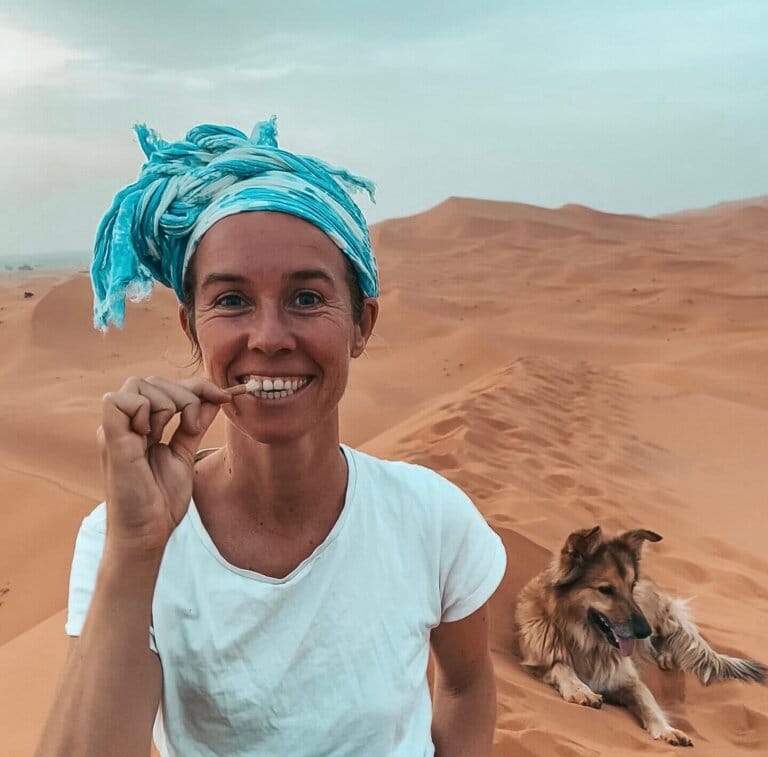 Bye to the Bamboo Toothbrush and Hi to the Miswak Branch
 All my natural living posts
Watch on YouTube


I'm curious what keeps you grounded when life is one big movement. Which of these speaks to you? Drop a comment.
You may like reading: Solo female travel in Kerala: my first days in Fort Kochi, where this Ayurveda journey went next.
Stay wild,
Suzanne
Some links on this page are affiliate links. If you book or buy through them, I may earn a small commission at no extra cost to you. I only recommend things I actually use and trust.