
Updated June 2026
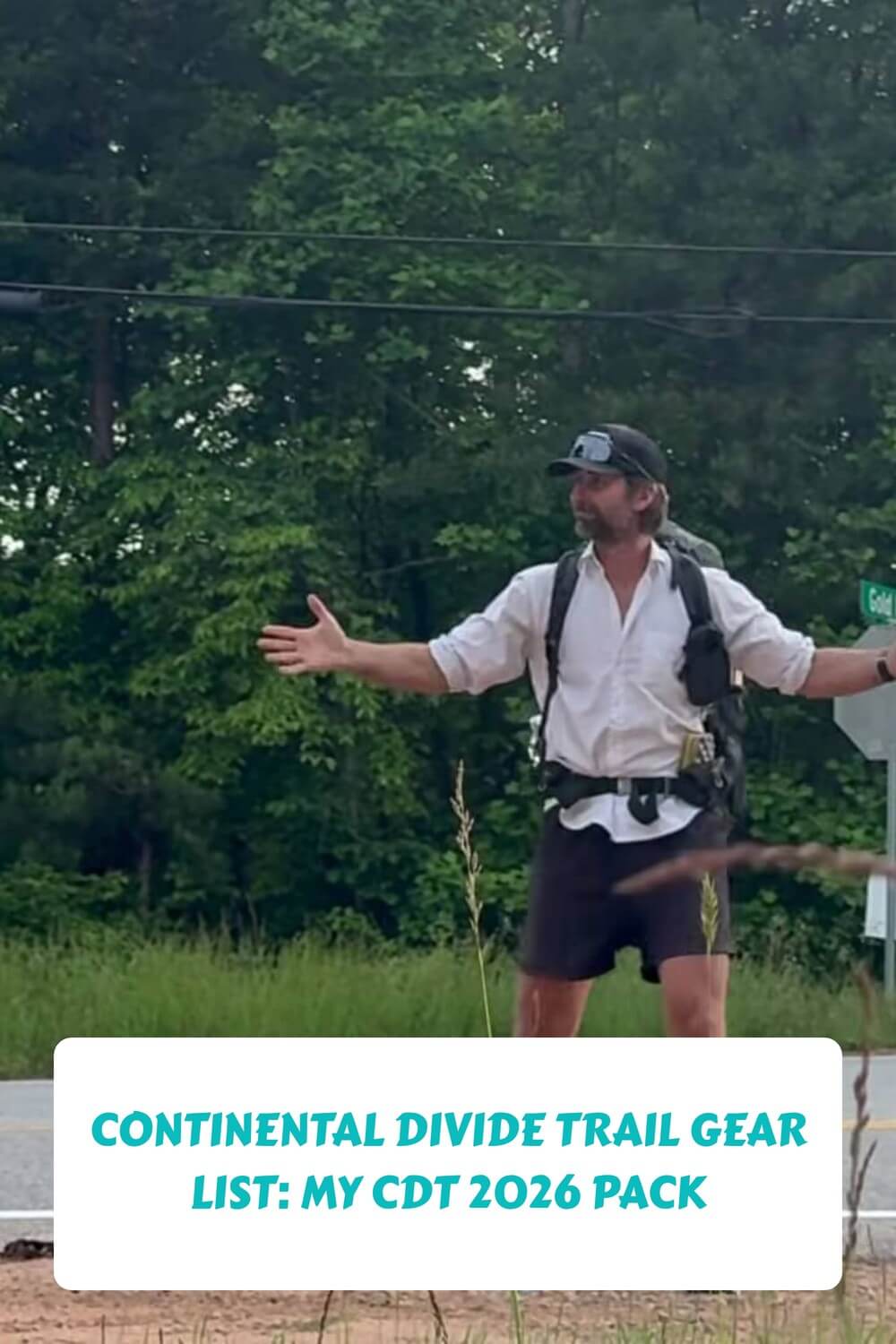
Hello everybody. After completing the Appalachian Trail last year, I'm heading back to the US for another long-distance hike. It all came together pretty recently. My ticket is booked, and in the next few days I'm flying into Canada. From there I'll make my way down to the Montana border to start the Continental Divide Trail.
I'm a little bit excited, a little bit nervous, a little bit confused, and I want to make sure I didn't forget anything. I'm still in my van here in Sweden, getting ready to leave. So before I do, let's go through what I'm bringing in my backpack for the months and miles ahead.
What is the Continental Divide Trail?
The Continental Divide Trail is one of the three iconic long-distance hikes that make up the Triple Crown of hiking, alongside the Pacific Crest Trail and the Appalachian Trail. It runs about 3,100 miles, nearly 5,000 kilometres, from the Canadian border in Montana to the Mexican border in New Mexico, through Wyoming and Colorado on the way.
I've already done the PCT and the Appalachian Trail. So if everything goes to plan, this is my Triple Crown hike. That's a big part of what makes it exciting. It's also why most of my gear is the same kit I've trusted across several thru-hikes, worn in, a little beaten up, but it does the job.
The big three: pack, shelter and sleep system
My Osprey Exos 58 is new. I got it through Osprey's lifetime warranty ( after hiking more than 10000 Miles with the previous one ;)), so I'm very happy with this one. It's 58 litres and I took the lid (the brain) off, so it's a bit less than that now, but the mesh and the pockets are all crisp. A garbage contractor bag goes inside as a liner to keep everything dry.
For shelter I'm using the Big Agnes Fly Creek, same tent I used on the Appalachian Trail. It's a little worn out, I can say that. It sort of works, and it will do the job on the CDT. I might need a new one at some point, but for now this is it, mostly down to budget.
Sleep system is the Marmot Helium sleeping bag, same one I used on the PCT, the AT and plenty of other hikes. It's still going. Not as good as it used to be, but it does the job. Under it goes a Thermarest NeoAir, same as on the AT, which works very well for me, and a Sea to Summit inflatable pillow. The pillow is a comfort item, but for me it's one I need.
What I'm wearing and the clothes I'm carrying
I'm hiking in trail runners. I've worn Topo, Hoka and Altra across my hikes. The pair I'm leaving with came from Decathlon, and they're already pretty worn, so I'll need a new pair and will hopefully sort that out on the way. Darn Tough socks, a sun hoodie with a hood for the strong mountain and desert sun, a cap and sunglasses.
For the cold up in the mountains I've got merino long johns and thermals, a buff, a beanie and an extra pair of socks. My puffy is from Decathlon, the same one I used on the Appalachian Trail, and it should keep me warm enough. My Frogg Toggs rain jacket broke down a bit, so I'm bringing another raincoat instead. It's not ultralight, it's a Sea to Summit one, probably made for sailors, but it will keep me dry. Cord sandals come along for camp and town, it's very comfortable to get out of your shoes at the end of a day.
Cooking and water
My stove is an Optimus, which I've used on a few trails now and it works very well. A lighter, one spoon, and a food bag (right now the stove lives in there). I also bring a jar so I can cold soak food, and carry some with me if I eat in town. If it turns out I don't use it, I can leave it somewhere.
For water I've got a Sawyer Squeeze filter and a Smart Water bottle. I'll probably pick up another bottle, because on the CDT I most likely have to carry water for longer stretches than I did on the AT.
The small stuff that makes a difference
A footprint as a ground sheet, super durable and super light. My sitting pad, which is almost a must. You can sit anywhere, and after some time on trail you lose a lot of weight, so everything gets hard to sit on. A bit of padding is good. This time I'm actually bringing two walking poles, which I didn't have on the Appalachian Trail.
Then the bits and pieces: a head torch, a battery bank, an Anker Nano charger and cable, and a small tripod for filming along the way. Floss, toothbrush, toothpaste. Passport, money and a credit card, and my glasses. I haven't packed sunblock yet, but I might grab some, or even an umbrella for the desert. We'll see what I actually need once I'm out there.
What changed since the Appalachian Trail
Last year I shared the gear that got me through 100 days on the Appalachian Trail. A few things are different this time. The Osprey Exos is new through the warranty. I'm carrying two trekking poles now instead of none. I'll need to carry more water on the CDT, so I'll add a bottle. And a lot of the old kit, the tent, the sleeping bag, is more worn than it was, so I'm watching for the point where it needs replacing.
I have no idea what the total weight is. It's light enough for me to get on the plane and start a hike, and that's good enough for now. I have most of what I need to get out there, and I'll figure the rest out on the way. That's usually how it goes.
My full CDT gear list
The setup at a glance. The same kit has carried me across the PCT, the Arizona Trail and the Appalachian Trail, so most of it is well tested.
- Backpack: Osprey Exos 58 (brain removed)
- Tent: Big Agnes Fly Creek
- Sleeping bag: Marmot Helium
- Sleeping pad: Thermarest NeoAir
- Pillow: Sea to Summit inflatable
- Sitting pad: Thermarest Z-Seat
- Stove: Optimus
- Water filter: Sawyer Squeeze + Smart Water bottle
- Charger + cable: Anker Nano
- Tripod: small travel tripod
- Head torch: Decathlon Moonlight USB 900
- Shoes: trail runners (Topo, Hoka, Altra across my hikes)
- Socks: Darn Tough
- Puffy: Decathlon
- Rain jacket: Sea to Summit (Frogg Toggs as backup)
- Base layers: merino thermal shirt and long johns, buff, beanie
- Sun: sun hoodie, cap, sunglasses
- Other: footprint, food bag, cold-soak jar, spoon, cord sandals, battery bank, toothbrush, floss, passport, money, glasses, swimming shorts
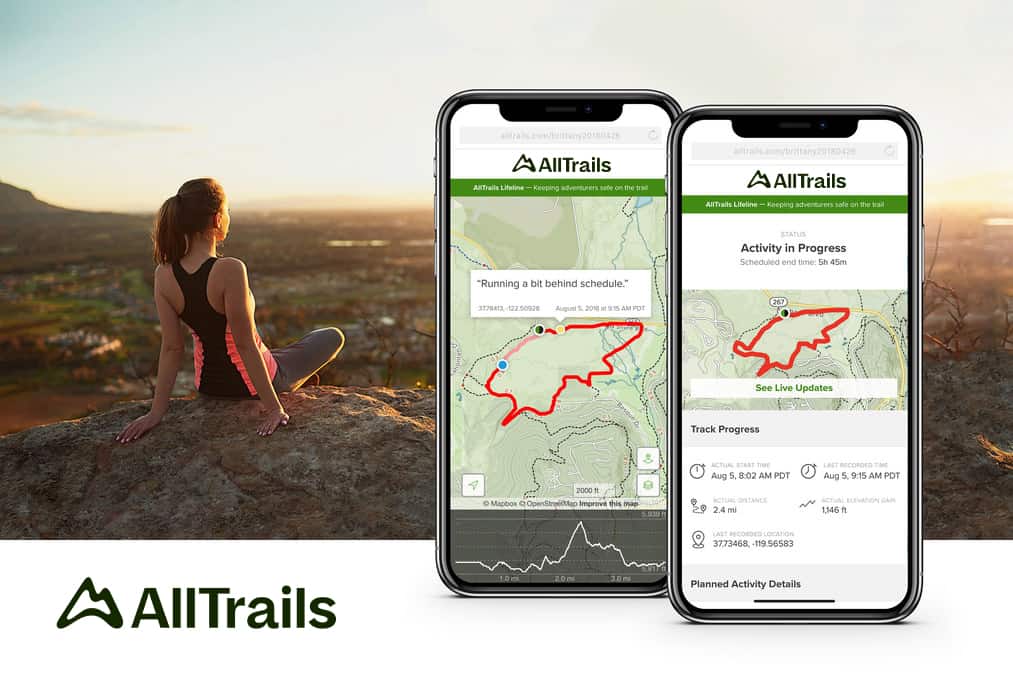
If you want to see how a similar kit fits into a smaller pack, Suzanne's GR11 thru-hiking gear list and her Osprey ultralight backpack review are both worth a look. For navigation and planning, her hiking apps guide covers what I use too.
A few questions about the CDT and the gear
How long is the Continental Divide Trail?
About 3,100 miles, or nearly 5,000 kilometres, from the Canadian border in Montana to the Mexican border in New Mexico, crossing Wyoming and Colorado in between. Most thru-hikers take around four to six months.
What is the Triple Crown of hiking?
The Triple Crown is the three great American long-distance trails: the Pacific Crest Trail, the Appalachian Trail and the Continental Divide Trail. Finishing all three is the Triple Crown. The CDT is my third, after the PCT and the AT.
Do you need brand new gear for a thru-hike?
No. Most of my kit has done multiple trails and it's well worn. The only new piece this time is my backpack, and that came through a warranty. Gear that works and that you trust beats new gear you haven't tested. I'd rather carry a slightly tired tent I know than a fresh one I don't.
How much water do you carry on the CDT?
More than on the Appalachian Trail. The CDT has longer dry stretches, especially later in the desert sections, so I'll carry extra bottles on top of my Sawyer Squeeze filter. Exactly how much depends on the stretch and the water sources, which you check as you go.
Follow the CDT hike
I'll be sharing the whole Continental Divide Trail thru-hike on my channel: gear updates, trail life, resupply, campsites, wildlife and the big mountain passes. You can follow along on YouTube (@jonatanbjorkman) or Instagram, and if the videos help you, you can support them here.
Wow, it's hot, and I'm excited to leave in a few days. First I need to catch a few flights, and then I'm there. Time for a swim.
Some links on this page are affiliate links. If you buy through them, we may earn a small commission at no extra cost to you. We only link gear we actually use and trust. Thank you for the support.
Related Posts