


Updated September 2026.
Which are the cheapest Caribbean islands, and can you really travel the Caribbean on a budget? Yes you can. Across four winters in the Caribbean, exploring pretty much every island in the West Indies by sail and on foot (and arriving every single time by sailboat), I've figured out exactly how to explore these islands without burning through your savings. Here's how, island by island.
Quick answer: the cheapest Caribbean islands, and how to travel on a budget
Yes, you can travel the Caribbean cheaply (I've done it across 13 islands). The cheapest ways are sailing as crew (often free), house sitting through TrustedHousesitters (free accommodation in exchange for pet care), and camping on Dominica, Martinique, Guadeloupe or Puerto Rico. Eat at local food shacks, take local buses, skip the marinas, and avoid cruise ship rush hours. The cheapest Caribbean islands are Dominica, Tobago and Grenada. The most expensive are St. Barths, Mustique, Anguilla and the French islands. The cheapest time to visit is June through November (hurricane season, prices drop). The longest hiking trail in the Caribbean is the 180 km Waitukubuli National Trail in Dominica.
Table of Contents
- Can you do Caribbean island hopping on a budget?
- 10 ways to do Caribbean island hopping on a budget
- 1. Lend a hand in exchange for food and accommodation
- 2. Go local with locals
- 3. Camping in the Caribbean: pitch (or rent) a tent
- 4. Eat the local foods
- 5. Couchsurf
- 6. Save on the wifi bars
- 7. Team up
- 8. Explore nature, it's free
- 9. Where to stay: budget Caribbean island hopping accommodation
- Budget accommodation in Dominica (Kubuli country, the Nature Island)
- Budget accommodation in Saint Lucia (the Pitons and Soufriere)
- Budget accommodation in Grenada (Greenz, oil down country)
- Budget accommodation in Tobago (Sunday School country)
- Budget accommodation in Saba (the Unspoiled Queen, 17 km²)
- Budget accommodation in St. Vincent & the Grenadines
- Budget accommodation in Bonaire (diver's paradise)
- Budget accommodation in Antigua (English Harbour, Sailing Week)
- Budget accommodation in St. Maarten / St. Martin
- Budget accommodation in Martinique (French Caribbean, baguette territory)
- 10. Avoid island excursions at cruise ship rush hours
- Bonus tip 1: Caribbean island hopping by sailboat
- Bonus tip 2: The best hiking in the Caribbean (multi-day trails for budget island hopping on foot)
- Caribbean safety: what locals wish tourists knew
- Thoughtful travel takeaways
- More Caribbean and sailing reads from the blog
- Frequently asked questions about Caribbean island hopping on a budget
- How much does Caribbean island hopping cost per day?
- What is the cheapest Caribbean island to visit?
- When is the cheapest time for Caribbean island hopping?
- Can you do Caribbean island hopping cheaply?
- How do you find a sailboat ride for Caribbean island hopping?
- What is the best Caribbean island for hiking?
- Can you hike across a Caribbean island?
- Do I need a visa for Caribbean island hopping?
- Is the Caribbean safe for solo travelers?
- What is the best Caribbean island for backpackers?
- Has the Caribbean recovered from Hurricane Beryl?
- What should I pack for Caribbean island hopping?
- More Caribbean island hopping budget resources
- My unfinished Caribbean guidebook
- Explore more
Can you do Caribbean island hopping on a budget?
Short answer: yes, but the islands are not designed for budget travellers. Accommodation is the most expensive part. The way around it: lend a hand in exchange for accommodation, camp, couchsurf, eat local foods, take local buses, and travel as crew on a sailboat. Daily costs drop dramatically if you're smart about it. I've done this Caribbean island hopping route across 13 islands.

The image you have in mind from the Caribbean gets beyond confirmed once arrived. From Tobago tucked away in the south east corner, to little Saba up north, the islands are blessed with tropical rainforests, reef drops, waterfalls and adventure potential. It is as scenic above as below the surface. Scenic wise with all the happy coloured buildings, the tropical flowers and happy bird sounds. But the real characters are the people.
When you walk the street, receiving “good day” and “good afternoon” is more the rule than the exception. Everyone has a good cheer and is happy to make a chat. There are more hairdressers than rum shops. And there are A LOT of rum shops. Looking around NO one has the same hairstyle. The people are kind, funny and 100% unique. Every single one of them. People walk slower, talk slower, live slower so they can be more. There are lots of entrepreneurs around hustling some business with their fish, coconuts, bread and fruits on boats, on the beach or on land near the streets. Reggae and soca music boosts from the speakers. You only know if it's a house, bar or supermarket before you walk in there. I love it.
I've extensively explored Tobago, Grenada, St. Vincent & The Grenadines, St. Lucia, Dominica, Bonaire, Curacao, St. Maarten, Antigua, Saba, the British & US Virgin Islands, Puerto Rico and the Dominican Republic. Every island is GREAT. Wherever you go, you probably want to stay forever.
Why trust this Caribbean budget guide?
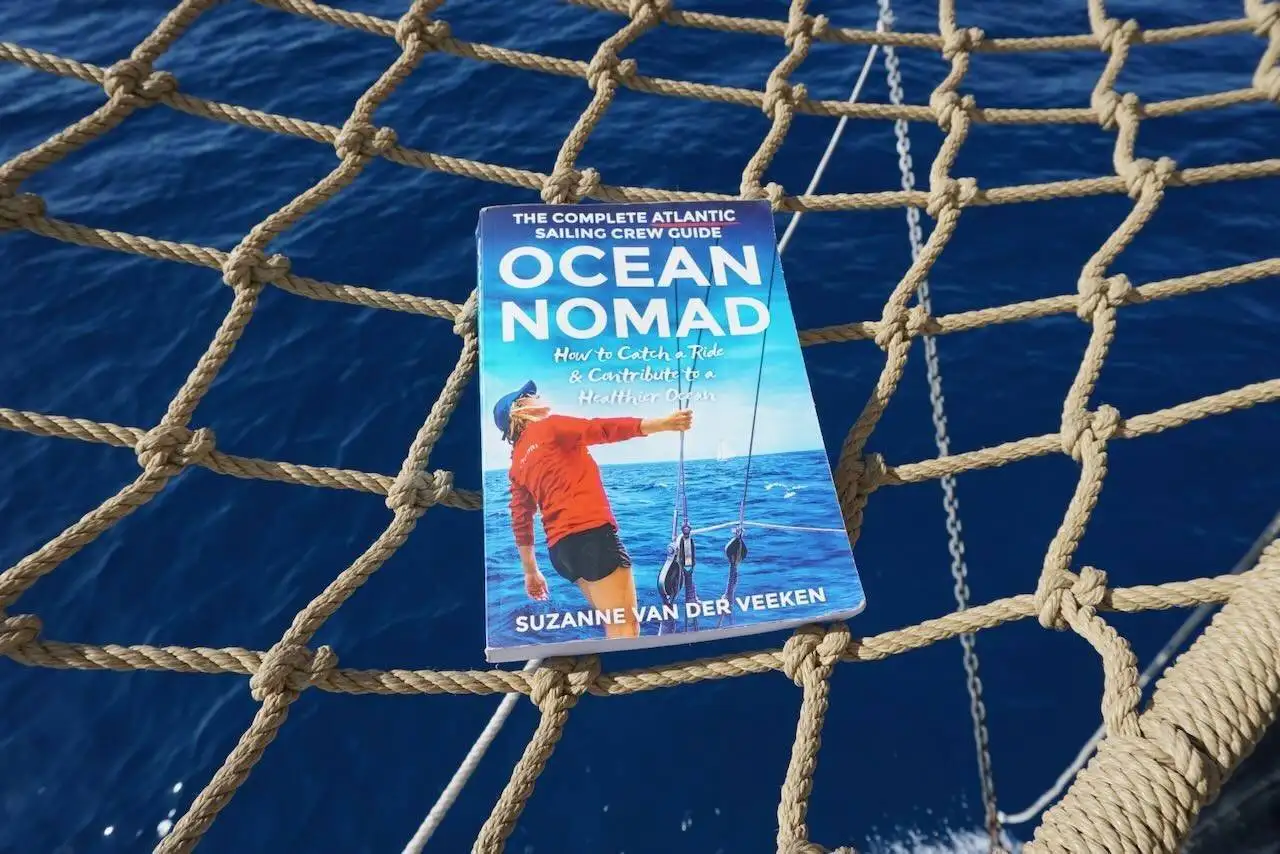
I'm Suzanne. I've spent four seasons in the Eastern Caribbean and traversed 13 Caribbean islands by sailboat, on foot, by local bus, and by hitching rides on fishing boats. Five Atlantic crossings, 50,000+ nautical miles, and the full 180 km Waitukubuli National Trail in Dominica (2023, with my partner Jonte). I'm a Yachtmaster Offshore captain, author of Ocean Nomad (4,000+ copies sold), and founder of the Ocean Nomads community. Every place in this post is somewhere I've personally been, stayed at, sailed into, or worked alongside. Some links are affiliate links (a few cents at no extra cost to you). I only recommend places I'd send my friends to. More about me here.
Hurricane Beryl recovery
Hurricane Beryl tore through the Southern Grenadines in July 2024 as a Category 4. Carriacou, Mayreau, Union Island and Canouan had 90 percent of their buildings damaged or destroyed. Bequia, Mustique, St. Vincent main island and Carriacou have been recovering well since. Mayreau is operational. Union Island is still rebuilding. The communities most need visitors right now. If you're heading to the Grenadines, please go. Spend local. Tip generously. Bring useful items in your luggage via Pack for a Purpose. If you're sailing in, you can also support Mayreau Animal Welfare with vet supplies, pet food and your time.
10 ways to do Caribbean island hopping on a budget
1. Lend a hand in exchange for food and accommodation
The challenge with Caribbean budget travel is the cost of living. It's not cheap to stay or travel here. If you don't do your research or plan ahead, a visit to the Caribbean can massively break the budget. There are awesome options to get more into the local scene, lend a hand in exchange for accommodation and often food. In Dominica I got my hands dirty helping with weeding, doing dishes and online marketing in exchange for a discount. In the Grenadines, I found a nice opportunity to go house sitting and make sure the island dogs were well fed. In Carriacou (Grenada) I house sat, fed the owner's dogs, couchsurfed and boatsat.
Find volunteering opportunities on WWOOF Caribbean, Workaway and HelpX. Once you're in the area, check out local Facebook groups, newspapers and posts on bulletin boards.
Free Caribbean accommodation through house sitting
My absolute favourite hack for free Caribbean accommodation: TrustedHousesitters. You stay in someone's home for free in exchange for looking after their pets while they travel. I've used it in the Grenadines (looking after island dogs) and in Carriacou. Listings range from beach bungalows to villas across the Caribbean. Annual membership pays for itself in one or two stays.
Get 15% off a new annual TrustedHousesitters membership with code TRUSTED15 (click the link first, then enter the code at checkout). Browse Caribbean house sits and join here.
Volunteer with Mayreau Animal Welfare
One project I personally love and support through Ocean Nomads: Mayreau Animal Welfare. Mayreau is the smallest inhabited island in the Grenadines (about 270 people, one paved road, only reachable by boat). The island is also home to around 120 dogs, cats, goats and sheep, many tied 24/7 on small chains. The Animal Welfare Organisation, led by Gillian and powered by volunteers, rescues, rehabilitates and facilitates sterilization. They need volunteers (dog walking, animal care, fixing dog houses, dog training) and supplies (vet meds, leashes, dog food, old towels). Accommodation can be provided.
If you're sailing the Grenadines you can sail in goodies. Full details and how to help here.

2. Go local with locals
Wherever you go, connect with the locals. The experience of the island will be determined by the interaction of the people you meet. Make an effort to understand the culture and place you are visiting. Why do they do things as they do? Learn what drives them and how they see the world. You get way more out of your visit, out of your life. Be nice, be open and the locals will show you around, share a coconut, and invite you to their houses. No need to pay for taxis, buses, or tourist tours. Give back with your gratefulness and enthusiasm for their country.
You'll meet them at your homestay, the market, street, in the bus, bar or beach. Check the calendar for festivals and celebrations and see if you can join. Meet locals through Couchsurfing forums, Facebook groups, and homestays.
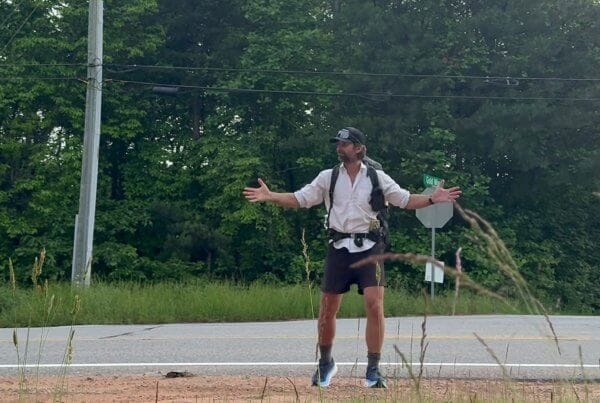
Navigate local style. On every island, I've taken local buses and hitchhiked. This works well, it's safe and makes you meet the locals. There are no timetables. The bus stops when you raise your hand. Don't be surprised when the driver takes a detour via the bakery, his cousin, or the market to source or bring some groceries. If you think there's place for 10 people, x2 that. Buses get loaded. Buses have great character with colours, local music, awesome hairstyles and names like “the determined”, “Expect the unexpected.” Do check the price when you hop on for the first time to avoid being overcharged. Bus prices are cheap, different per bus and bus line. They don't run after 10pm-ish.
Everywhere it's also easy to hire a car in the Caribbean, with or without a driver. This is often cheaper than taking a taxi. Taxis from one side of the island to the other can cost a small fortune (especially in Martinique or Saint Lucia where I've seen quotes well over a hundred dollars).

3. Camping in the Caribbean: pitch (or rent) a tent
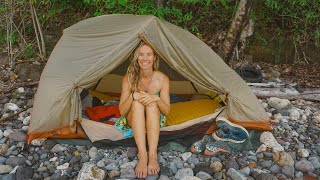
The temperature is perfect for camping in the Caribbean. With night temperatures around 24 degrees Celsius it's not too hot, not too cold. In many places you can just pitch your tent or tie your hammock on the beach. You might want to pick the leeward side of the islands to be protected from the eastern trade winds. There are also hotels, guesthouses and hostels that have a place for you to pitch your tent. Afraid of mosquitos? I haven't been bitten once.
Caribbean camping rules vary by island. Officially you can't pitch a tent wherever you want. Designated camping areas are usually inside national parks. The most camping-friendly islands are Dominica, Martinique, Guadeloupe, Puerto Rico, Saint Lucia, Grenada, the Dominican Republic, and St. Eustatius. Wild beach camping is tolerated on St. Kitts & Nevis and Puerto Rico. The French islands have proper organised campsites with shower blocks. The English-speaking islands are more about pitching at someone's guesthouse or eco lodge.
My Caribbean camping kit
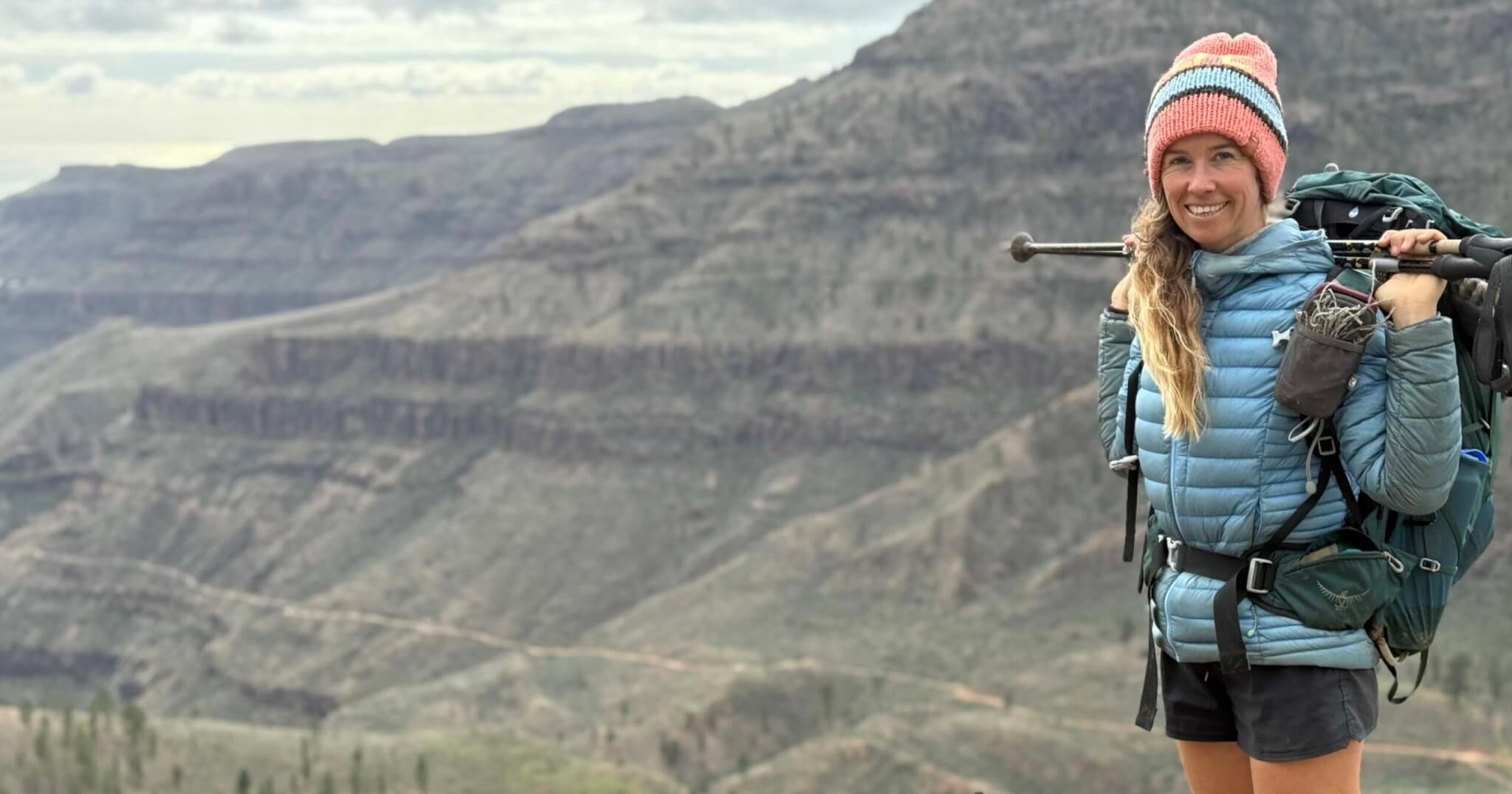
If you're tent camping or hiking the Waitukubuli National Trail, gear matters. Caribbean rain is heavy, the sun is fierce, and you want a pack you can move with. After multiple Caribbean trips and a full Waitukubuli thru-hike, this is what's earned a permanent spot in my pack:
- Big Agnes Copper Spur tent (lightweight, 2 person 2 doors, holds up in tropical downpours, packs small)
- Thermarest NeoAir sleeping mat (330 grams, ultralight, insulates well, comfortable enough for night after night)
- Sea to Summit inflatable pillow (the one piece of “luxury” that's actually worth it.)
- Osprey Eja 48 backpack (1.2 kg, framed, breathable). My review of why this beats other ultralight packs is in my full gear post.
- Garmin InReach Mini 2 (satellite tracker for trail safety, SOS button. Worth the peace of mind in jungle territory)
- External battery pack. The one item we should have brought to the Waitukubuli and didn't. Don't make our mistake. Solar isn't reliable under jungle canopy.
See my full Caribbean hiking and camping gear list with the exact models, why each piece earned its place, and the non-essentials I shouldn't have brought.
Camping in Dominica
- 3 Rivers & Rosalie Forest Eco Lodge. The OG eco lodge in Dominica. Owner Jem still running the show. Off-grid in the Rosalie rainforest valley. To get there you zipline across two rivers (or wade them with a rope). Camping, dorm beds and private cottages available. Restaurant uses produce from the garden. Award-winning. Dorm beds are one of the cheapest sleep options in the Caribbean.
Camping in Martinique
- Browse all Martinique camping and budget stays. Camping Municipal in Saint Anne is one of the cheapest options for pitching your own tent.
- Airstream Paradise at Pointe Marin (Sainte-Anne). Vintage Airstream trailers a few metres from the beach. Owners Franck and Gladys. Each Airstream has a private outdoor bathhouse, jacuzzi and gas BBQ on the deck. Beach is one of Martinique's best.
4. Eat the local foods
The number 1 reason I love the Caribbean is coconuts and tropical fruits. Caribbean cuisine is simply amazing. The rich soils produce healthy nutritious fruits, vegetables and spices. No wonder why the Caribbean has one of the highest numbers of centenarians in the world. Breadfruit, cassava, pea soups, an abundance of greens, peanuts, and all the herbs and spices like cinnamon, nutmeg, cacao, turmeric, ginger, vanilla, and lots of coconut-based excitement.

How to enjoy Caribbean food on a budget
- Walk around the block and discover the local food shacks. Avoid restaurants in marinas and tourism zones where you find mostly international food restaurants. Expensive and tasteless due to import.
- Get lost and pick your own plants, fruits and coconuts.
- Go to the local market, not the supermarket. Caribbean supermarkets have limited provision options. Most of it is imported from the US, or Europe when you go to Martinique, Guadeloupe or the ABC islands. A lot from that import contains crappy ingredients and dozens of plastic wrappers. Way more exciting foods to be found on the street. Support the local produce and local vendor with his family. Try that local exotic fruit instead of the imported familiar apple. Best goods are found on the street and market. On every island, Saturday seems to be market day.
- Have farine for breakfast and you'll only get hungry again the next day. Farine is derived from the cassava root. Super powerful nutrition bomb. Pimp it with tropical fruits, spices and coconut.
- Try the local national dishes. Each island has its specialty: Grenada has oil down (one-pot dish with breadfruit, callaloo, dumplings, salted meat and coconut milk). Tobago has doubles (curried chickpeas in fried bread, pocket-money cheap). St. Lucia has green fig and saltfish. Dominica has mountain chicken (frog) and Kubuli beer. Bonaire has kabritu stoba (goat stew). Trinidad has roti and bake and shark.


Eat fish responsibly: lionfish and sea moss
Fish and lobster are popular on the local menu. Unfortunately, many endangered species are on the menu as ‘catch of the day'. Take it easy on the tuna, grouper, swordfish and marlin for your own and the ocean's health. It takes many years and dozens of pounds of other fish for these giants to mature and reproduce. There's not much left. The higher up the food chain and the older the fish, the more contaminated it is with mercury and other metals.
The best fish choice in the Caribbean is lionfish. It's an invasive species in the Caribbean and devastates local plants and animals. You actually help the environment by catching and eating this fish. Young plant-eating fish is the second-best choice. The very best choice is to explore some more and try sea moss. A real superfood from the sea. This sea vegetable makes a delicious drink with local cinnamon spices, coconut, cacao and peanuts. It's the purest source of omegas and so much more.
The Caribbean Coconut Index (relative comparison)
Indulge on the coconuts. You can actually live on just that for months. Across my four seasons in the Caribbean I tracked coconut prices on every island. Specific prices change so I'm not listing them, but here's the relative ranking from cheapest to most expensive:
- Cheapest: Dominica and St. Lucia
- Mid-range: Grenada and the Grenadines
- Most expensive: Tobago, the French islands (Martinique, Guadeloupe), and anywhere a cruise ship is docked
- Free: climb a tree yourself.
Same goes for beer. Local Caribbean beers are cheap at the local shack and inflate fast at the fancy bar or marina. Local favourites: Kubuli (Dominica), Carib (Trinidad & Tobago, Grenada), Piton (St. Lucia), Hairoun (St. Vincent), Heineken on the ABC islands.

5. Couchsurf
List your trip dates on Couchsurfing. In St. Lucia, Grenada and Dominica I've connected with locals on Couchsurfing and numerous hosts (both girls and guys) offered to show me around or even a place to stay. Couchsurfing is great to connect with locals. They often love the companionship and to share stories. While typing this I'm Couchsurfing, beachfront.

6. Save on the wifi bars
Save on the wifi bars and get connected. Two options: an eSIM or a local SIM card.
The easiest way is an Airalo eSIM. Download the app, pick a Caribbean regional plan, activate before you fly. No shop visits, no waiting, works the moment you land. Especially handy if you're island hopping fast: one eSIM works across multiple Caribbean countries.
If you'd rather go local (often cheaper for longer stays), grab a SIM card on arrival. Sometimes the local shacks sell them. Many towns have a Digicel or Flow shop (Lime rebranded to Flow years ago). SIM cards are cheap and you usually get credit included with the SIM purchase. Often the data works better than the wifi. You only need 1 SIM card and it works across different Caribbean islands.

7. Team up
Accommodation goes per room. If you're solo travelling you can probably negotiate a little of the price but not so much. If you're 2 or more it's way easier to find an affordable place to stay. Find a travel buddy through Couchsurfing forums or Caribbean traveller Facebook groups before you arrive.

8. Explore nature, it's free
Snorkel below the surface, walk the shorelines, hike the hills and go swimming in the waterfalls. The Caribbean is a natural paradise. Bring your own snorkel set so you don't have to rent. It pays for itself in 2 days.
For guided activities like waterfall hikes, snorkel tours, rainforest tours, whale and dolphin watching, browse Caribbean activities on GetYourGuide. For multi-day Caribbean adventure tours, check Caribbean tours on TourRadar.


9. Where to stay: budget Caribbean island hopping accommodation
| Island | Known for | Best for |
|---|---|---|
| Dominica | Nature Island: waterfalls, hot springs, the Waitukubuli Trail | Hiking and wild nature |
| Saint Lucia | The Pitons and Soufriere | Big scenery |
| Grenada | Greenz, oil down, the Saturday Hash Run | Local culture and food |
| Tobago | Pigeon Point kite and surf, Sunday School at Buccoo | Surf and a party |
| Saba | 17 km sq, no beaches, Mount Scenery, some of the best diving in the Caribbean | Diving and quiet hiking |
| St. Vincent & the Grenadines | Rebuilding after Beryl, communities that need visitors | Sailing and off the beaten path |
| Bonaire | One big marine park, shore diving off the beach | Diving |
| Antigua | Sailing hub: English Harbour, Antigua Sailing Week | Sailing and finding a boat |
| St. Maarten / St. Martin | Busiest sailing crossroads, Simpson Bay, the airport beach | Catching a sailboat ride |
| Martinique | France in the tropics: baguettes, euros, best infrastructure | French-Caribbean comfort (priciest) |
These are the ten islands I know well enough to send you to on a budget. Below is where I would stay on each, and how to keep costs down. For the platforms and gear I use to travel cheaply anywhere, see my travel resources page.
Maybe you don't feel like couchsurfing, house sitting, camping or chilling in a hammock. Where to find a place to stay? Budget hotels in the Caribbean are hard to find but they're out there. Just not on the first page of Google. Walking and asking around locally is the best way. The coolest local places are not on the internet. In high season you might want to have a room sorted for 1 or 2 nights in advance. The Stay22 widget below shows accommodation options on a map for whichever Caribbean island hopping destination you're looking at and compares prices across Booking, Airbnb, Hostelworld and Expedia in one go.
Below are the budget Caribbean accommodation places I've stayed at or that come highly recommended by fellow Caribbean adventurers. I check before each update that they're still open and operating, but always verify directly before booking.
One more option: the Ocean Nomads network
If you're already in the Ocean Nomads community, the world map shows where members are based and who's sailing through. A few of us live in Grenada and the USVI, and many of us pass through the islands listed in this post. Members host members, swap local tips and share local contacts. It's small and slow-paced, just a few hundred of us, the way I like it.
Come see who's on the map.
Budget accommodation in Dominica (Kubuli country, the Nature Island)
Dominica is the Caribbean's nature island. Volcanic, lush, full of waterfalls and hot springs. Home of the 180 km Waitukubuli National Trail. Locals call it Kubuli country (named after the local beer). Browse all Dominica accommodation here. Or pick from my favourites:
My favourite place in the Caribbean: Soufriere, Dominica
If I had to pick one place in the entire Caribbean to send you, it would be Soufriere on the southwest coast of Dominica. Sulphur Hot Springs in walking distance. Champagne Reef snorkeling around the corner. The southern start of the Waitukubuli National Trail right there. Whales swimming past the bay. Soufriere is small enough that you'll know everyone by name within a week, and wild enough that you'll never run out of things to explore.
Stay at Soufriere Guesthouse with hosts Wes and Jon. The best place I've stayed in the Caribbean for hikers, freedivers and lifestyle designers. Solar water heaters, communal kitchen, hammocks everywhere, library, yoga mats. Rooms and dorms. Wes is a Peace Corps alumnus from Colorado, Jon is the kindest man on the island. Both will become friends within a day. Check availability and book here.
- 3 Rivers & Rosalie Forest Eco Lodge. Multi award-winning off-grid eco lodge. You zipline in across two rivers. Owner Jem and his team are some of the warmest hosts on the island. Restaurant uses farm produce. Camping, dorms, cottages and bamboo tree houses available. Great range of price points.
- Comfort Cottages (Thibaud). Self-contained cottages with private plunge pools and ocean views. Vaughn is the host. Great base for exploring the north (Calibishie, Pointe Baptiste, Indian River).
- Soufriere Guesthouse. The best place to stay in Dominica for hikers, freedivers and lifestyle designers. Owners Wes and Jon. Walking distance to Sulphur Hot Springs and the start of the Waitukubuli National Trail. Rooms and dorms. Solar water heaters, communal kitchen, hammocks everywhere, library, yoga mats. Easily my top recommendation.
- Le Petit Paradis (Wotton Waven). Yummy home-cooked meals from Joan and Al. You can pitch your tent here, take a hammock or just roll out your mat under the roof. Walking distance to multiple sulphur hot springs. Popular with Waitukubuli hikers.
- Hibiscus Valley Inn. Swedish-Dominican hosted, run by Norun, with chef Nigel cooking some of the best food on the island. Right by the Pagua River, river tubing on site. Close to airport, Kalinago Territory and segments 6-7 of the Waitukubuli Trail.
- Danglez Bed & Breakfast. Homestay rooms in the Kalinago territory and de-li-cious home-cooked meals from host Kevin. We pitched our tent in his garden. It was perfect to charge devices, take a shower and have a healthy dinner, breakfast and zero waste trail snack (see film). Say hi to Kevin from me.
Budget accommodation in Saint Lucia (the Pitons and Soufriere)
Browse all St. Lucia accommodation here. My pick:
- Uptown Guesthouse Soufriere. Stunning views, the centre of all Saint Lucia adventure activities, walking distance to the Pitons.

Budget accommodation in Grenada (Greenz, oil down country)
Grenadians call their island Greenz. The national dish is oil down (one-pot wonder of breadfruit, callaloo, dumplings, salted meat and coconut milk). The Hash Run on Saturdays is a Grenadian tradition: half hike, half pub crawl through the bush. Browse all Grenada accommodation here or pick from my favourites:
- Bayaleau Point Cottages (Carriacou). It can't get better than this. When travelling in low season you can get good deals for million-dollar views. Family-run since 1996 by Dave Goldhill. Three colourful cottages right on the water. Boat charter “Mostly Harmless” available for trips to Tobago Cays and turtle snorkeling. Best kitesurf spot of the Caribbean in the front garden. Book directly through carriacoucottages.net (no booking platform).
- Big Sky Lodge (Crochu, St. Andrews). Family rooms with sea views and balconies. Host Ingrid cooks delicious local food. Pool, sun terrace and lush garden. East coast of Grenada, walking distance to Cabier Beach.
- Crayfish Bay Organic Estate. Off-the-beaten-track between Gouyave and Sauteurs. 200-year-old 15-acre fully working organic cocoa farm. You can help with farm tasks (clearing weeds, post-harvest cocoa processing, making cocoa tea balls, baking bread) in exchange for discount.
- Willie's Court Apartments (Gouyave). In the fishing capital of Grenada. Steps from the Friday night Fish Friday street party (a must).
- Green Roof Inn (Carriacou). New addition since Beryl. Sustainable, locally rooted, eco-focused. Five guest rooms with sea views and a yoga pavilion. Restaurant menu is local produce, mostly seafood, to support the local economy. The kind of place that's actively rebuilding tourism the right way after the hurricane.

Budget accommodation in Tobago (Sunday School country)
Tobago is the Caribbean's secret. The kite/surf scene at Pigeon Point is as good as it gets. Sunday School at Buccoo (every Sunday night) is unmissable: open-air party with steelpan, soca and reggae until late. The local food I miss most is doubles: curried chickpeas in fried bread, pocket-money cheap. Browse all Tobago accommodation here or pick from:
- Two Seasons Guesthouse (Mt. Irvin Beach). THE place to be. The famous Mt. Irvine surf break is a short walk away. The balcony is the “liming spot” where guests sit, chat, and take in the sea view. Owner Dale and his wife Karin. Direct booking through their website.
- Miller's Guesthouse (Buccoo). Right on Buccoo Bay. Awesome location between hot spots Mt. Irvine Beach and Pigeon Point. Right next to the location of Sunday School (which is a must must must). Say hi to Winston from me.
- Candles in the Wind (Bon Accord). Close to Pigeon Point. I met lots of solo travellers here. Cool place. Say hi to Andrew.
Budget accommodation in Saba (the Unspoiled Queen, 17 km²)
Saba is tiny, 17 square km, no beaches, no big cruise ships, no fast food chains. Just rainforest, some of the best diving in the Caribbean, hiking trails up Mount Scenery, and the most unique architecture in the Caribbean. Browse all Saba accommodation here or pick from my favourite:
- El Momo Cottages (Booby Hill, Windwardside). As low budget as it can get in Saba and eco. Wooden cottages on a steep hillside surrounded by rainforest with panoramic ocean views. Owners Andries and Eva. Honesty bar. Homemade banana marmalade for breakfast. The climb up the stairs is part of the charm.
Budget accommodation in St. Vincent & the Grenadines
The Grenadines are still rebuilding from Beryl. The communities really need visitors right now. Browse all St. Vincent and Grenadines accommodation here or pick from:
- Dennis' Hideaway (Mayreau). On tiny Mayreau (1.5 sq miles, about 270 inhabitants). Dennis is a real character, a legend in the Grenadines. He'll come pick you up by speedboat from Union Island. The restaurant overlooks Saline Bay and Dennis personally cooks his rum punch. Walking distance to Salt Whistle Bay. See Mayreau island life in my video here. While you're on the island, support the Mayreau Animal Welfare project.
- Buttercup Cottage Apartments (Kingstown, St. Vincent main island). Self-contained apartments with kitchen. Owner Phelia is exceptional, especially helpful for getting to the Tobago Cays. Less affected by Beryl than the Southern Grenadines.

Budget accommodation in Bonaire (diver's paradise)
Bonaire has 16,000 islanders and not a single traffic light. The whole island is a marine park. The reef starts at the shore. You walk in with your fins and you're on a wall dive. Browse all Bonaire accommodation here.
- City Inn Bonaire in Kralendijk is one of the cheapest options. Step straight onto the beach. Note: was renovated 2023-2025, verify before booking that they're back to full service.
- Read my dedicated Bonaire blog: Bonaire, the freediver's paradise.
Budget accommodation in Antigua (English Harbour, Sailing Week)
Antigua is one of the most important sailing hubs in the Caribbean. Antigua Sailing Week (April) and Antigua Classics Regatta are huge events for the sailing world. English Harbour and Falmouth are full of beautiful boats. Browse all Antigua accommodation here.
- Media Luna Apartments (St. John's). Basic but cheap and self-contained.
Budget accommodation in St. Maarten / St. Martin
St. Maarten is the busiest sailing crossroads in the Eastern Caribbean. Simpson Bay marina is where you find a sailboat ride to almost anywhere in the Caribbean. The famous airport runway beach (planes landing 30 metres above your head) is on this island. The southern half is Dutch, the northern half is French. Browse all St. Maarten accommodation here.
- Over the Hill Guesthouse (Grand Case, French side). Run by Berenice (granddaughter of original founder Yvette Richardson, after whom the lane is named). Hilltop, rooftop terrace, walking distance to the gastronomic capital of the Caribbean (Grand Case is famous for restaurants).
Budget accommodation in Martinique (French Caribbean, baguette territory)
Martinique is France in the tropics. Baguettes for breakfast, French wine in the supermarket, euros as currency. Most expensive of the islands but with French infrastructure (proper roads, healthcare, public transport). Browse all Martinique accommodation here.
- Camping Municipal Saint Anne. One of the cheapest options for pitching your own tent on the island.
- Airstream Paradise (Sainte-Anne). Vintage Airstream trailers a few metres from one of Martinique's best beaches. Owners Franck and Gladys are exceptionally welcoming. Each Airstream has private outdoor bathhouse, jacuzzi and gas BBQ.
10. Avoid island excursions at cruise ship rush hours
The Caribbean is a popular cruise ship destination. These massive cities arrive in the morning. The 3,000-plus population invades the destination and leaves in the afternoon to tick another from the ‘been there, done that' list the next day. It's an attraction in itself. Cruise ship days are ‘bank days' for the locals. Prices for food, drinks and coconuts massively go up. Don't go to the local market or ‘must see' waterfall at times the cruise ship is in. You will be seen as a walking ATM and surely pay more for your banana. I once got priced for a coconut at a price that would buy me lunch. I'll climb a tree myself.
Get my Caribbean field notes by email
If you'd like more like this, I send out a newsletter every now and then. Field notes from the road and sea, what's open, what I'm reading, things readers ask about. No spam, no daily blasts. Sign up here.
Bonus tip 1: Caribbean island hopping by sailboat
How to get around between the Caribbean islands? Or even arrive in the Caribbean in the first place? Whether you take a flight or ferry, travel between the islands is expensive the regular way. The windward chain is well connected with ferries. A ride between countries, often between 20-40 miles, can easily set you back as much as a budget flight would in Europe.
Especially in the high season, between December and April, there are many sailboats island hopping the Caribbean. Many of them like to share the fun with fellow adventure seekers. There are more berths on a boat than friends they have to fill them with. Distances between the Caribbean islands are short. You can usually see the next one already lying ahead of you. There are also fishermen willing to take you to other islands. This is cheaper, not always safer, definitely more adventurous. You do need to make sure that you clear out and in of customs properly. The captain of a sailing vessel needs to put you on the crew list and get you off the crew list when clearing in a new country.
How I travel the Caribbean: by sailboat
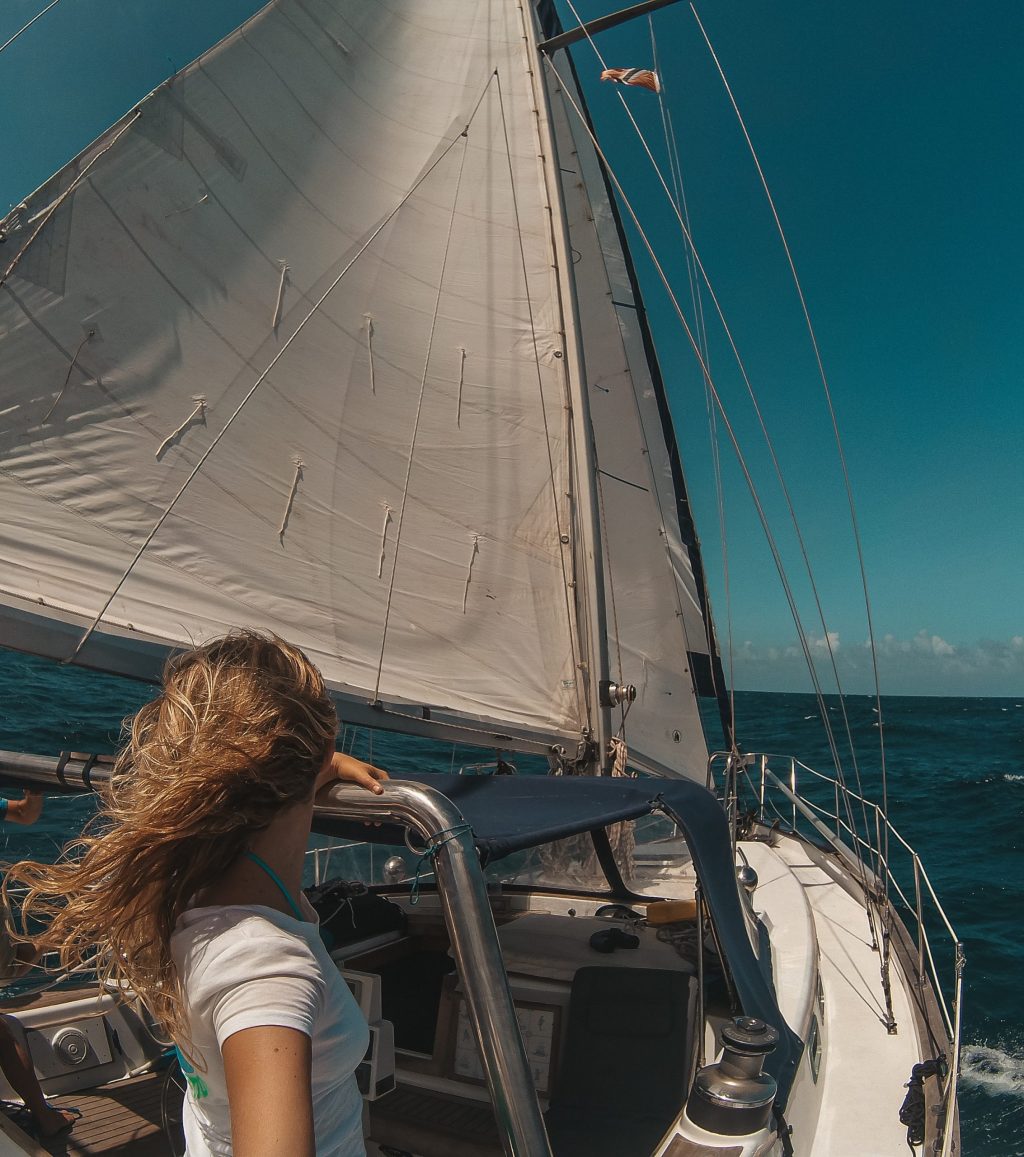
I've never arrived in the Caribbean any other way. Sailing as crew is how I've explored the islands for four seasons. It's the cheapest way and the most rewarding, but it's not for everyone. You need to be the kind of person captains want on their boat: curious, willing to help, easy to live with in a small space.
If sailing as crew sounds like something you'd want to try, I've put together a few resources over the years for people figuring this out:
- The Zero to Ocean Nomad course walks through how to find boats, what to bring, how to be useful as crew, customs, safety. It's not a shortcut. You still have to put yourself out there. But it saves you years of figuring it out alone.
- If you'd rather skip the figuring out and just sail with us, we run a few small Ocean Nomads trips a year. Caribbean season trips and the Atlantic crossing (next one winter 26/27).
- Or come into the Ocean Nomads community. About 300 of us in there, including 80+ boat owners. The world map shows who's based where. A few are in the Caribbean now (Grenada, USVI). Not everyone in there is sailing today, but it's the network I lean on for crew opportunities and local tips.
If sailing's not your thing, no worries. The other tips in this post will get you island hopping cheaply too.
Best Caribbean sailboat hubs to find a ride
- St. Maarten / Simpson Bay: the busiest crossroads. Daily boats heading north (BVI, USVI), south (Antigua, Grenadines), and west (Panama, Pacific).
- Antigua / English Harbour and Falmouth: high concentration of yachts, especially around Sailing Week (April).
- Grenada / St. George's: hurricane-season hub. Many boats wait out the season here from June to November. Lots of westward Pacific crossings start here.
- Trinidad: another hurricane-season hub. Boats getting work done before the new season.
- BVI / USVI: Tortola and St. Thomas have huge charter fleets. Easier to find a one-week ride than a long passage.
- Bonaire / Curacao: for boats heading to Panama or Colombia.
- Santa Marta, Colombia: for the Caribbean to Pacific transition.
When to find a Caribbean sailboat ride
- December to March: peak charter season. Best chance to find a ride. Trade winds are steady. Boats island-hop daily.
- April: regatta season. Antigua Sailing Week, BVI Spring Regatta, St. Maarten Heineken Regatta (March). Boats consolidating.
- May: boats heading south for hurricane season prep, or west to Panama. Possible to find passage rides.
- June to November: hurricane season. Boats are mostly stationary in Grenada, Trinidad or hauled out. Less ride availability but lower prices on what does happen.
Learn more about this coolest way to travel in the hitch-sail section of this website. Take the Zero to Ocean Nomad course if you want a step-by-step framework. Come say hi in the Ocean Nomads network for personalized connection buillding. Or join one of our sailing trips if you'd rather skip straight to the adventure.
Bonus tip 2: The best hiking in the Caribbean (multi-day trails for budget island hopping on foot)
Long-distance hiking is one of the most rewarding and budget-friendly ways to traverse a Caribbean island. You move slow, sleep cheap, eat trail food, and see the parts of the islands cruise ship tourists never see. Looking for the best hiking in the Caribbean? The serious multi-day trails are concentrated in Dominica, Martinique, Guadeloupe, the Dominican Republic and Puerto Rico. Here are the multi-day Caribbean trails worth your time.
Waitukubuli National Trail (Dominica): the longest trail in the Caribbean
180 km from south to north. 14 segments. Acclaimed as the longest hiking trail in the entire Caribbean region. You walk through rainforest, past sulphur springs, alongside Kalinago villages, and over volcanic peaks. Most thru-hikers take 12 to 14 days. In 2023 Jonatan and I hiked the full trail and made a film about it (“12 Days on Foot”). Hiking this jungle trail is the most rewarding and also most budget-friendly way to traverse Dominica, the nature island of the Caribbean.
The trail passes right by some of the best Caribbean budget stays in this post:
- Soufriere Guesthouse at the southern start of the trail (Wes and Jon are popular with thru-hikers)
- Le Petit Paradis in Wotton Waven, near segment 4 hot springs (Joan and Al pitch tents in the garden)
- Hibiscus Valley Inn at the end of segment 6 / start of segment 7 (Pagua River)
- Danglez B&B in the Kalinago Territory (segment 8/9, Kevin's homestay)
Read my full Waitukubuli National Trail guide here for the segment-by-segment breakdown, what to pack, where to sleep, and the gear that survived 14 days in the jungle.
Multi-day hiking trails in Martinique
Martinique has more than three dozen marked hiking trails. Most are well signposted and maintained. The most challenging mountains and longest trails are in the northern half of the island. A handful work as multi-day treks:
- Sentier Littoral Nord Atlantique. 45 km along the wild northeast Atlantic coast from Basse-Pointe to Le Robert. About 10 hours one way. Coastal cliffs, hidden coves, banana plantations. Easily split into 2-3 days.
- Trace des Caps. 34 km along the southeast coast from Macabou (south of Le Vauclin) to Sainte-Anne. About 7 hours one way but easily broken into 2-3 days. The most popular section, from Cap Chevalier to Anse Trabaud, has pristine beaches, coconut groves, and the lunar Savane des Pétrifications.
- Mont Pelée. 1,397 m active volcano on Martinique's northwest. Day hike from L'Aileron parking lot, or multi-day combined with neighbouring trails through the Martinique Regional Nature Park.
- La Caravelle Peninsula. Coastal hike through the 378-hectare nature reserve, mangroves, dry forests, ending at the historic lighthouse with panoramic Atlantic views.
- Pitons du Carbet. Volcanic peak chain in central Martinique. Multiple connecting trails, with Morne Piquet (1,197 m) the highest peak.
Other multi-day Caribbean hiking options
- Guadeloupe (Basse-Terre). Over 160 km of marked trails inside Parc National de la Guadeloupe, the largest rainforest in the Lesser Antilles. La Grande Soufrière volcano (1,467 m) is one of the tallest peaks in the Caribbean. UNESCO Biosphere Reserve.
- Dominican Republic. Pico Duarte (3,098 m), the highest peak in the entire Caribbean, is a 2-3 day trek. Multi-day routes also through Sierra Bahoruco and the Cordillera Septentrional.
- St. Lucia. Gros Piton Trail (the UNESCO peak). Coastal trails between fishing villages connect into multi-day routes.
- St. Kitts. Mount Liamuiga Trail (4.5 mi to the volcano summit). Connects with island-perimeter trails for multi-day options.
- Saba. Mount Scenery hike (the highest point in the Kingdom of the Netherlands at 887 m). The whole island is laced with marked trails.
- Puerto Rico. El Yunque National Forest, the only tropical rainforest in the US National Forest System. Multiple connecting trails.
AllTrails has all the Caribbean hiking trails well documented and reviewed (with this link you can try AllTrails+ free for 7 days). Useful for finding day hikes that connect into longer routes, and the offline maps are worth it for the segments without signal. Locally, finding hiking gear is hard, if not impossible. Bring what you need in advance. See my full Caribbean hiking and camping gear list here.
Caribbean safety: what locals wish tourists knew
The Caribbean is safe in general. I haven't felt unsafe one single second across 4 seasons of solo travel. But there are a few natural hazards locals know about that tourists don't. These can ruin a holiday fast.
- Machineel trees (manchineel, manzanillo). Beautiful tree often growing right on the beach. Looks like an apple tree. Every part of it is poisonous. Don't sit under it in the rain (the dripping sap burns the skin). Don't eat the fruit. Don't burn the wood (the smoke can blind you). On most beaches the dangerous trees are marked with a red ring of paint, but not always. Ask locals.
- Ciguatera fish poisoning. Caused by eating reef fish that have accumulated toxins from microalgae. Common culprits: barracuda, large grouper, large snapper, jacks, parrotfish, large kingfish. Symptoms include numbness, tingling, reversed hot/cold sensation, fatigue. Can last months. Eat young, plant-eating fish or lionfish to be safe.
- Rum punch. Looks like fruit juice. Is not fruit juice. Caribbean rum is strong and rum punch goes down too easy. Pace yourself. Especially in the sun.
- Sun. The Caribbean sun is closer to the equator than you're used to. SPF 50, reapply every 2 hours, wear a hat. Biodegradable sunscreen only. Reef-safe matters.
- Below the surface. Don't touch coral. Don't stand on the bottom. Anchor in sand only. Sea urchins are common, watch where you put your feet.
Get covered before you go: travel insurance for the Caribbean
The Caribbean is hurricane country, water sports country, and you're often hours from a serious hospital by boat or small plane. Travel insurance is a must for any nomad heading this way. I use and recommend SafetyWing. It's built for nomads and long-term travellers, covers you in 175+ countries, and you can sign up while already on the road. Get SafetyWing travel insurance here.
Thoughtful travel takeaways
- Slow down.
- I haven't felt unsafe one single second. Be open and friendly and you'll get the warmest welcome wherever you go.
- What to pack for Caribbean island hopping:
- A hammock
- In the Caribbean disposable plastic is the norm. Be prepared to refuse and reuse by packing a reusable straw, bag, cup, take-away box and filter water bottle
- Biodegradable sunscreen
- SafetyWing travel insurance (hurricane country + water sports = essential)
- Pack for a Purpose. See if there's anything you can bring that can help someone out. Especially after Hurricane Maria in Dominica and Hurricane Beryl in the Grenadines, goodies are needed.
- Make a positive impact. Not just for yourself but for the places and people you're visiting. Our travels can bring huge benefits to local communities and they can also destroy a destination. Learn what you can do.
- Spend local and support as much as you can.
You may also like to read: What I bring Hiking & Camping in the Caribbean
More Caribbean and sailing reads from the blog
- How to hike the Waitukubuli National Trail (Dominica), full guide
- My Caribbean hiking & camping gear list
- Bonaire: the freediver's paradise of the Caribbean
- Caribbean love after Hurricane Beryl (sailor's perspective)
- How to hitch-sail (find a sailboat ride as crew)
- Why sail the ocean? 12 reasons to jump on board an Atlantic sailing adventure
Frequently asked questions about Caribbean island hopping on a budget
How much does Caribbean island hopping cost per day?
It depends massively on style. Budget Caribbean island hopping (camping, couchsurfing, housesitting, eating at local food shacks, taking local buses, avoiding cruise ship rush hours) is the cheapest way to do it and the most rewarding. Mid-range travel with a guesthouse room and a restaurant meal a day costs significantly more. Luxury Caribbean travel can run into hundreds of dollars per day. The Caribbean is one of the most expensive regions in the world if you stay in resorts, but one of the most rewarding if you go local.
What is the cheapest Caribbean island to visit?
Dominica is the cheapest of the islands I've explored. Local food, accommodation and transport are all affordable. Tobago and Grenada are similar. The most expensive are St. Barths, Mustique, Anguilla, and the French islands (Martinique, Guadeloupe, St. Barths) because they use euros and import most goods.
When is the cheapest time for Caribbean island hopping?
Cheapest time is June through November (Caribbean hurricane season). Accommodation prices drop significantly. Risk of a hurricane is real but not constant. Locals are friendlier because there are fewer tourists. Avoid the absolute peak of Aug-Oct if you're worried about storms. May and June are sweet spots: lower prices, fewer crowds, weather still good.
Can you do Caribbean island hopping cheaply?
The cheapest way to go Caribbean island hopping is to travel as crew on a sailboat (often free, sometimes a small contribution toward food and fuel). Ferries are reasonable for short hops but get expensive over longer distances. Inter-island flights with LIAT or Caribbean Airlines tend to be pricey because of small markets and frequent route changes. The Windward chain (Trinidad to Grenada to St. Vincent to St. Lucia to Martinique to Dominica) is connected by ferry. The Leeward chain has fewer ferry options.
How do you find a sailboat ride for Caribbean island hopping?
Hang out at marinas in St. Maarten (Simpson Bay), Antigua (English Harbour, Falmouth), Grenada (St. George's), Trinidad (Chaguaramas), or BVI (Tortola). Walk the docks, ask captains, leave your name on bulletin boards. The Ocean Nomads community has 80+ boat owners actively looking for crew. The Zero to Ocean Nomad course teaches you exactly how to do this even with zero experience. Best chance of finding a ride is December to April when boats are island-hopping daily.
What is the best Caribbean island for hiking?
Dominica is the best Caribbean island for hiking, hands down. The Waitukubuli National Trail (180 km, 14 segments) is the longest hiking trail in the Caribbean. Dominica also has the Boiling Lake hike, Morne Trois Pitons National Park (UNESCO World Heritage), waterfalls in every valley, and trails through Kalinago villages. Runner-ups: Martinique (Mont Pelée volcano, three dozen marked trails), Guadeloupe Basse-Terre (160+ km in the national park, La Grande Soufrière volcano), the Dominican Republic (Pico Duarte at 3,098 m is the Caribbean's highest peak), and Puerto Rico (El Yunque rainforest). Saba and St. Lucia are great for shorter day hikes. Avoid Aruba, Bonaire and Curacao if hiking is your main goal: those islands are flat and dry.
Can you hike across a Caribbean island?
Yes. The Waitukubuli National Trail in Dominica is the longest hiking trail in the Caribbean (180 km from south to north, 14 segments) and one of the cheapest ways to traverse a whole Caribbean island. Most thru-hikers take 12 to 14 days. Martinique has multi-day routes including the Sentier Littoral Nord Atlantique (45 km) and the Trace des Caps (34 km). Guadeloupe's Basse-Terre has 160+ km of marked trails inside its national park. Other notable Caribbean hiking routes include Mount Scenery on Saba, Pico Duarte in the Dominican Republic, and the Pitons in St. Lucia.
Do I need a visa for Caribbean island hopping?
Most Caribbean islands allow EU, UK, US, Canadian and Australian passports visa-free for 30-90 days on arrival. The French islands (Martinique, Guadeloupe, St. Martin) follow EU Schengen rules. Cuba requires a tourist card. The Dominican Republic and Haiti require tourist cards on arrival. Each island is its own country with its own immigration. You clear in and out at every island border, which is part of the Caribbean island hopping experience.
Is the Caribbean safe for solo travelers?
Yes. After 4 seasons of solo travel I haven't felt unsafe once. Common sense applies (don't flash valuables, watch belongings on busy beaches, stick to well-known areas at night). The natural hazards (machineel trees, ciguatera fish, sun, rum punch) are bigger threats than people. Go with an open heart and you'll get the warmest welcome.
What is the best Caribbean island for backpackers?
Dominica for nature, hiking and budget. Tobago for beaches, surfing and Sunday School. Grenada and Carriacou for laid-back vibes and sailing connections. The French Caribbean (Martinique, Guadeloupe) has good camping but is more expensive overall. Saba for diving on a budget. Avoid Mustique, St. Barths, and Anguilla on a backpacker budget.
Has the Caribbean recovered from Hurricane Beryl?
Bequia, Mustique, St. Vincent main island and Carriacou are functionally recovered. Mayreau is operational. Union Island is still rebuilding (90 percent of homes were destroyed). The Tobago Cays Marine Park is unchanged. Bonaire, Saba, Antigua, St. Maarten, Martinique, Dominica, St. Lucia and Grenada main island were not significantly affected by Beryl. Visit. The communities need tourism to fully recover.
What should I pack for Caribbean island hopping?
Reef-safe biodegradable sunscreen, snorkel set, hammock, water filter bottle, reusable shopping bag, reusable cup, mosquito repellent, light hiking shoes, dry bag for boat trips, strong sun hat, sarong (works as towel, sheet, blanket, dress), basic first-aid kit. For hiking and camping: ultralight tent (I use Big Agnes), sleeping mat, inflatable pillow, backpack with rain cover. Travel insurance for hurricane season and water sports. Skip heavy clothes. Skip dressy shoes. Full Caribbean packing list here.
More Caribbean island hopping budget resources
- Caribbean activities and tours: GetYourGuide Caribbean
- Multi-day Caribbean adventure tours: TourRadar Caribbean
- Travel insurance: SafetyWing (built for nomads, hurricane-zone friendly)
- eSIM for Caribbean island hopping: Airalo (works across multiple Caribbean countries on one plan)
- Car rental: Booking Cars
- Surf camps in the Caribbean: Booksurfcamps Caribbean
- Caribbean hiking and camping gear list: What I bring Hiking & Camping in the Caribbean
- Learn how to travel by sailboat (zero experience needed): Zero to Ocean Nomad course
- Join a Caribbean or Atlantic sailing adventure: Ocean Nomads sailing trips
- Volunteer with Mayreau Animal Welfare (an Ocean Nomads-supported project): Caribbean island paradise volunteer project
- Ocean Nomads community (a world map, Caribbean-based hosts, sailing crew opportunities): Join Ocean Nomads
- House sits with free accommodation: TrustedHousesitters
My unfinished Caribbean guidebook
I've been working on a full Caribbean guidebook for years (snippets of which are woven into this post). It's still unfinished. If you'd like to know when it lands, with extra island deep-dives, sailing routes, hidden coves and food guides, you can sign up for my newsletter here. That's where I share updates first.
Now time to lime and go on island time.
Wild at heart? Let's be friends.
Join me on YouTube for slow travel adventures by van, sail and on foot.
Or get my new stories by email, every couple of weeks.
Ocean Nomads is the community I founded, for people who want to live a little wilder, explore a little further, and do it with good people.
For deeper trail stories and the behind-the-scenes, I write on Patreon.
Explore more
Read next
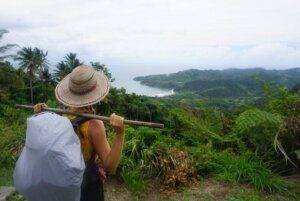 Hiking and Camping in the Caribbean. Gear Essentials.
 Atlantic Ocean Crossing part 2: Caribbean to Europe!
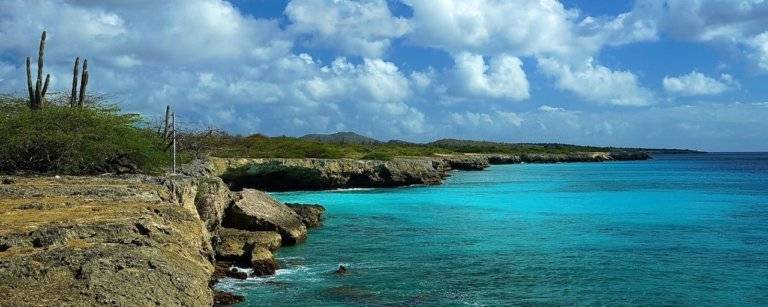 Bonaire Freediving: 12 Reasons It Beats the Rest
 Grenada
Watch on YouTube
Disclaimer: All tips and recommendations in this post are my own. Some links are affiliate links and may give me a tiny commission at no extra cost to you. It's a huge help to keep the content creation going.
Why not Pin it?
Stay wild,
Suzanne






Hi Suzanne! I notice Barbados isn’t on your list! Barbados is actually one of the most expensive Caribbean islands in the eastern chain, but there are still ways to enjoy the island on budget. You definitely have to look for cheap places to stay, but they’re there! One good thing about Barbados is that there’s always a lot to do and a lot for free. Many cultural events are open to the public so you don’t have to break the bank to enjoy yourself. If you come to Barbados I’ll show you how to lime on a dime!
Hey Shana!
Thanks for your comment! Barbados is missing indeed… I have not been there (yet!) I would LOVE to! I have heard great things about it! I’ll let you know once I go there! Cheers from Carriacou!
Here’s an idea for you on a budget….
La Biosfera
Jinotega, Nicaragua
In the Nicaraguan (coffee country) mountains where it’s cool, hop, skip and a jump from Lago Apanas.
Suzanne Wopperer (owner operator) bunk house dorm or private room.
just a few km out of Jinotega, on the local bus route, or less than $5.00 by taxi.
Fresh air, beautiful view, quiet and peaceful.
http://www.hijuela.com/labiosferaretreat.html
Tell her Fred sent you.
Hey Fred! Thanks for your idea! I would LOVE to go to Nicaragua. Since I almost only travel by sailing boat, I take it one place at the time. When I make it to Nicaragua I will definitely check out La Biosfera!
Cheers, Suzanne
wow! love the content of your site. I know where to look for info next time i am planning a trip to Africa :)
This is a great post! So well written and I love he layout! I agree that nature is free and we should soak in every ounce of it! We also love he Caribbean! Cheers!
Amazing tips. Bookmarked this for later. Thanks!!!!
Thank you! Make the Caribbean dream happen :)
I recommend Grenada, as one of the safest.