
Updated October 2026. I wrote this during my first days in Kerala in June. The three months of Ayurveda study that followed deserve their own posts. The first-days notes below stand.
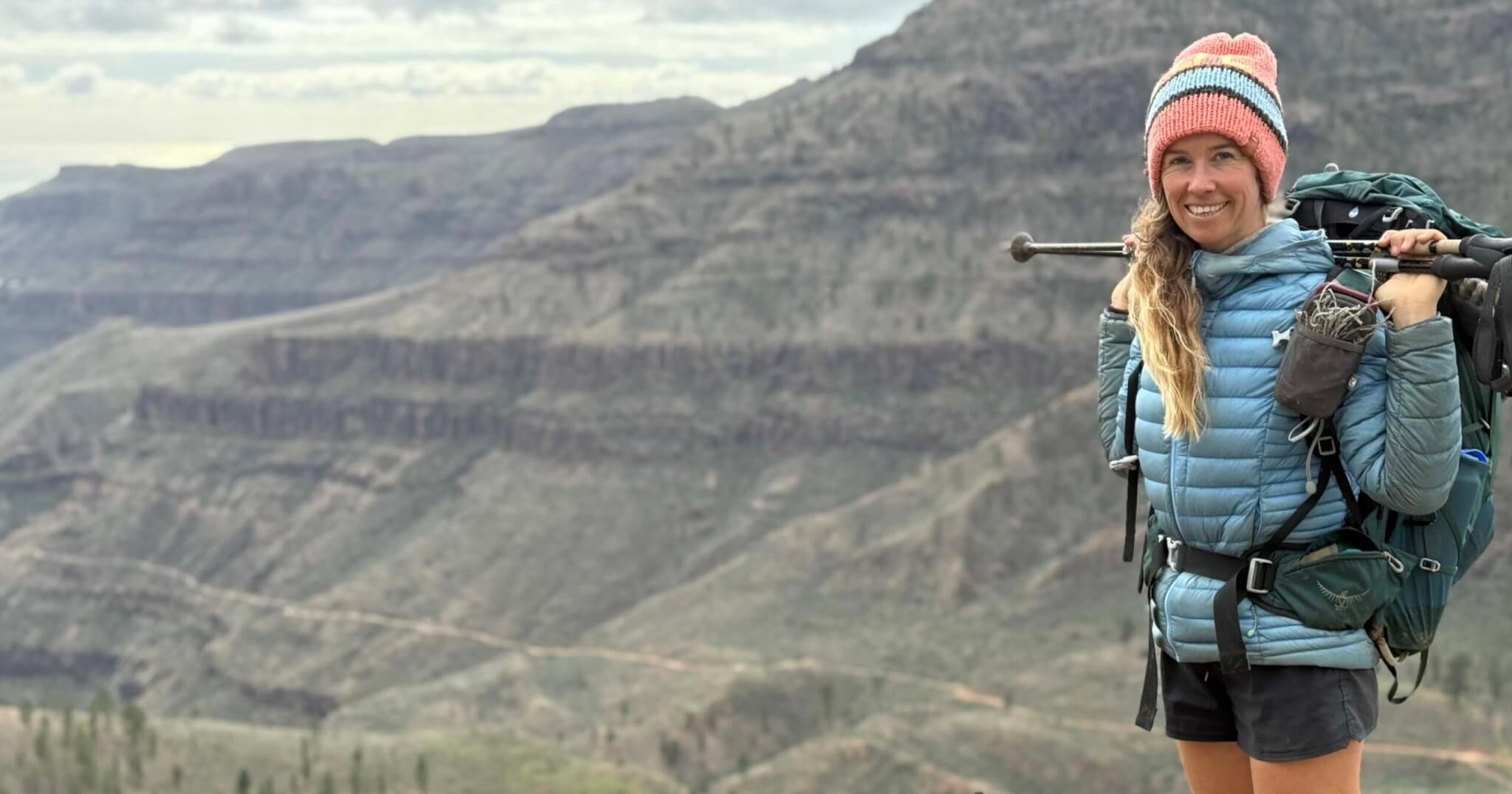
I'm doing something I've never done before, in a place I've never been. For many summers it has been sailing, vanlifing, surfing and hiking. This summer I'm on possibly my wildest journey so far! And this is my first update on the world wild web sharing about it.
Two weeks ago I had little idea where I would be right now and what I would feel like. Story of my life really… I've been a nomad for pretty much my whole adult life. But one thing I knew: I'm going to India! A longtime dream of mine. For years I've been studying Ayurveda, which has its roots in India. In brief: it's the science of life. A 5,000-year-old natural healing system that's all about preventing disease and cultivating a lifestyle with nature.
And the roots I found!
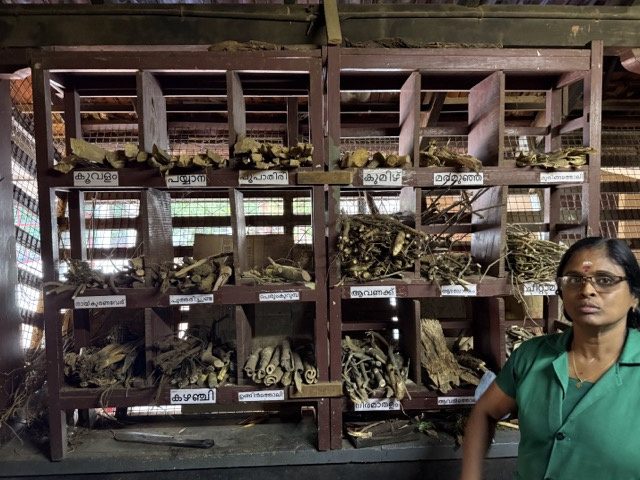
So here I am! It's never the right time or moment to go, but about a month ago I booked anyway. If not now, then when? I'm almost two weeks on Indian soil now and wowww, so far it has blown all my expectations. Probably because I had very few :)
The purpose of this trip: deepening my Ayurveda knowledge through observation and experimentation, exploring everything Ayurveda, including experiencing the famous treatments I've so far only been reading about. And simply following my curiousity, something I really thrive on and hadn't done in a while. This post is about the first impressions. And bringing you along.
Why India and why now
A few weeks ago, around the last new moon, I booked my ticket while parked on the beach in Tarifa. I had just got back from spending the winter in Fuerteventura with my van. My 4th or 5th winter in the Canary Islands. It has been great but nothing new. I've been working super hard on Ocean Nomads, my blog and YouTube, and feeling and figuring out what the next focus should be. If there's one thing that sets my heart on fire at the moment, it's Ayurveda! And if there's one thing that make dreams real, it's to start with the end goal in mind and work backwards. I'm still figuring out the exact Ayurveda end goal. But I know for sure I must gain deeper knowledge of it. And the main step for that is going to India. So I booked a flight to an unknown place. Then the rest ‘falls' into place. And so it did!
What my first days in India felt like
I'm in the train. Just said bye to Wingo, my parents and Jonatan. A long-standing dream coming true, and I'm about to do something completely different. The most daunting part of all this, I find, is navigating trains and people in traffic. Walking to the platform I had to move through a swarm of humans, pretty much everybody on their phone, EarPods in, running or walking fast. Total autopilot. The best way to spend a Monday morning. Going to indiaaaa.
On the plane I sat next to a mum and her daughter giving me tips on what to try.
It is day number one of Suzanne in India. Wow. How many impressions can you have in a day? I was on the bus in Mumbai, looking my eyes out, and here I am walking the streets of Kochi. I just had a delicious vegetarian dinner. Where to even begin. Coconuts everywhere, fruits, veggies. And I had my first abhyanga Ayurvedic massage too.
Day one is a flood of impressions. It kind of feels a bit like Bali here, very tropical, scooters cruising around, but more quiet and no tourists. I've seen one other tourist so far.
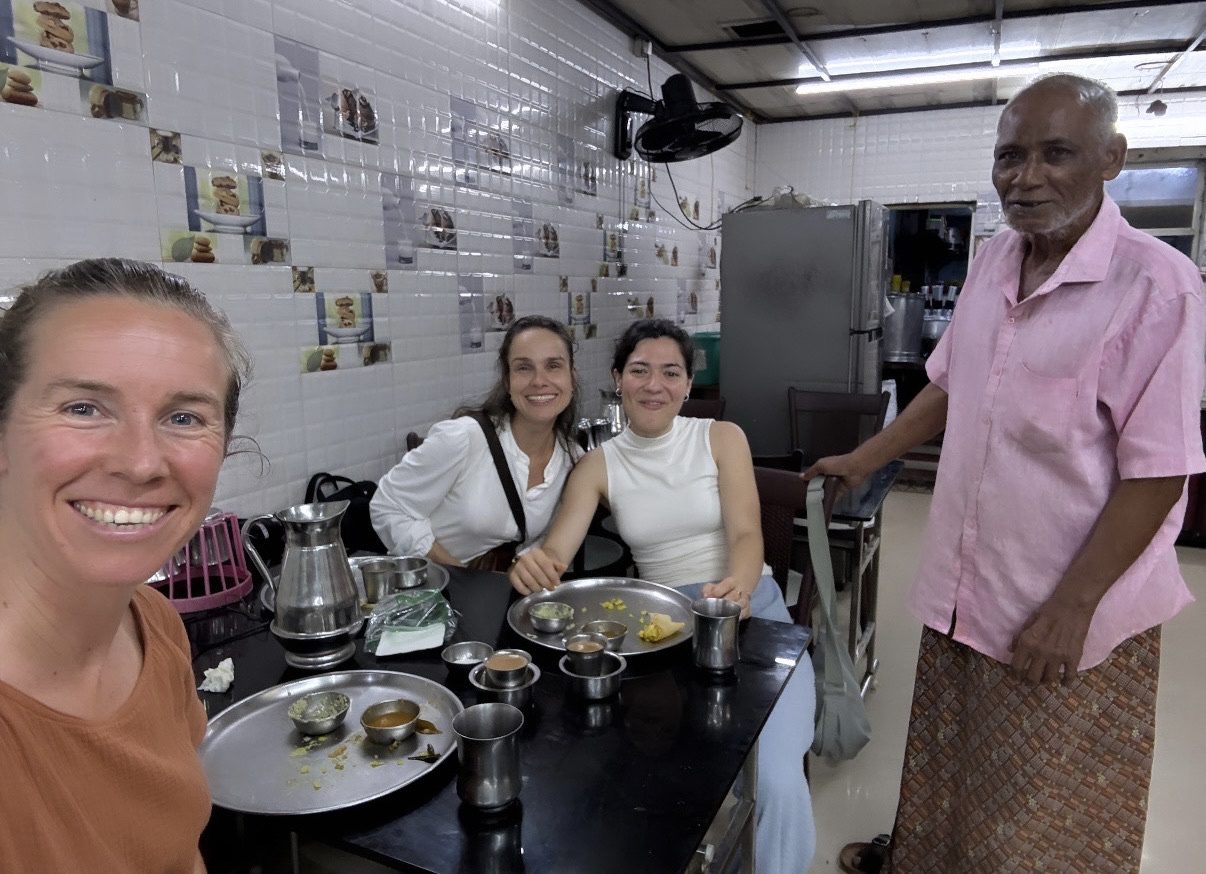
I had my first tuk-tuk ride, my first hustling and hassling, and got some books. It's very cheap here. I already have my favourite restaurant, and I'm starting to know the menu, I know what the words mean now. It is super delicious. I got lost, it was so hard to find this homestay overnight. The people are very sweet and kind. The two foreigners I did meet, both solo women, I ended up roaming the old streets with, and we even went dancing one evening.
Some things I simply cannot capture
My first days were in Fort Kochi. Some things I see, I simply cannot capture, and it can feel intruding to film someone. The spice grinders working for hours. A man sitting on the ground fixing shoes with thread and needle. People walking barefoot, carrying eggs. Tuk-tuks everywhere, everybody cruising around in their ponchos. All the men in their skirts. The power line spaghetti is impressive. Waking up to prayer sounds and temple bells. The sounds of chapati making, massage and spice grinding.
I recognise where to go left or right now based on the god presented in the little glass house. I'm walking in the rain, trying not to hit my head on the power cable. A store filled every square centimetre with metal scraps and just a scale out front. The gold rate that day was 14,200 rupees. The man fixing umbrellas on the street. Soft landing. I love Kochi.
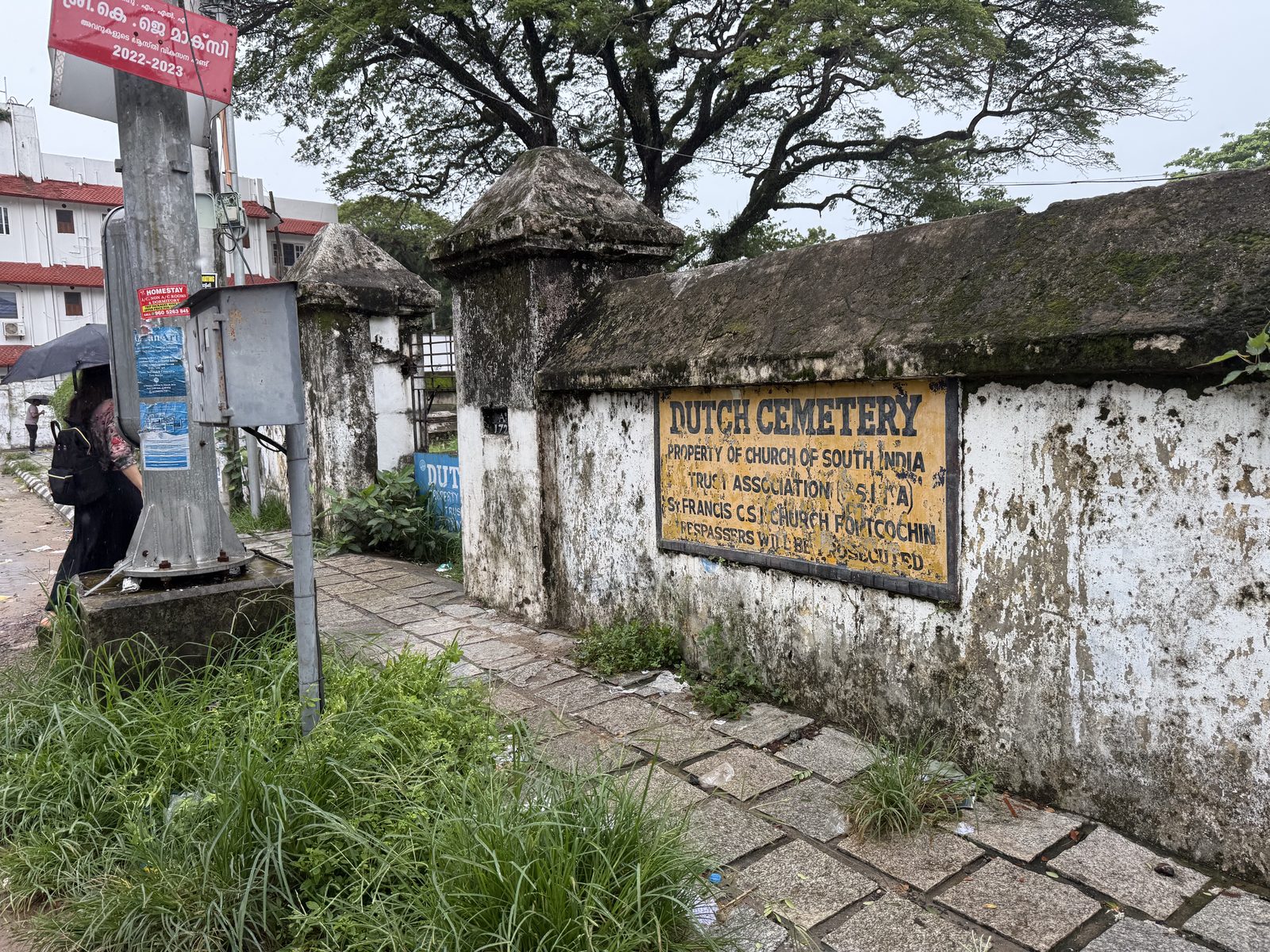
The aroma of spices mixed with the aroma of the ocean. I think there's only one place where you can smell this, and it's the East Indies. Three times now I sailed across the Atlantic to the West Indies. And now I made it to the East Indies (not by sail…) but by a super deep curiousity. Spices were what the Dutch came east for centuries ago, and Fort Kochi still wears that history. There's even a Dutch cemetery. As a Dutch woman and a sailor, there's a very special symmetry in standing on the other side of those old routes now, here to study but also to give back where I can, in ways that I can.
Some random things I learned in my first days in India
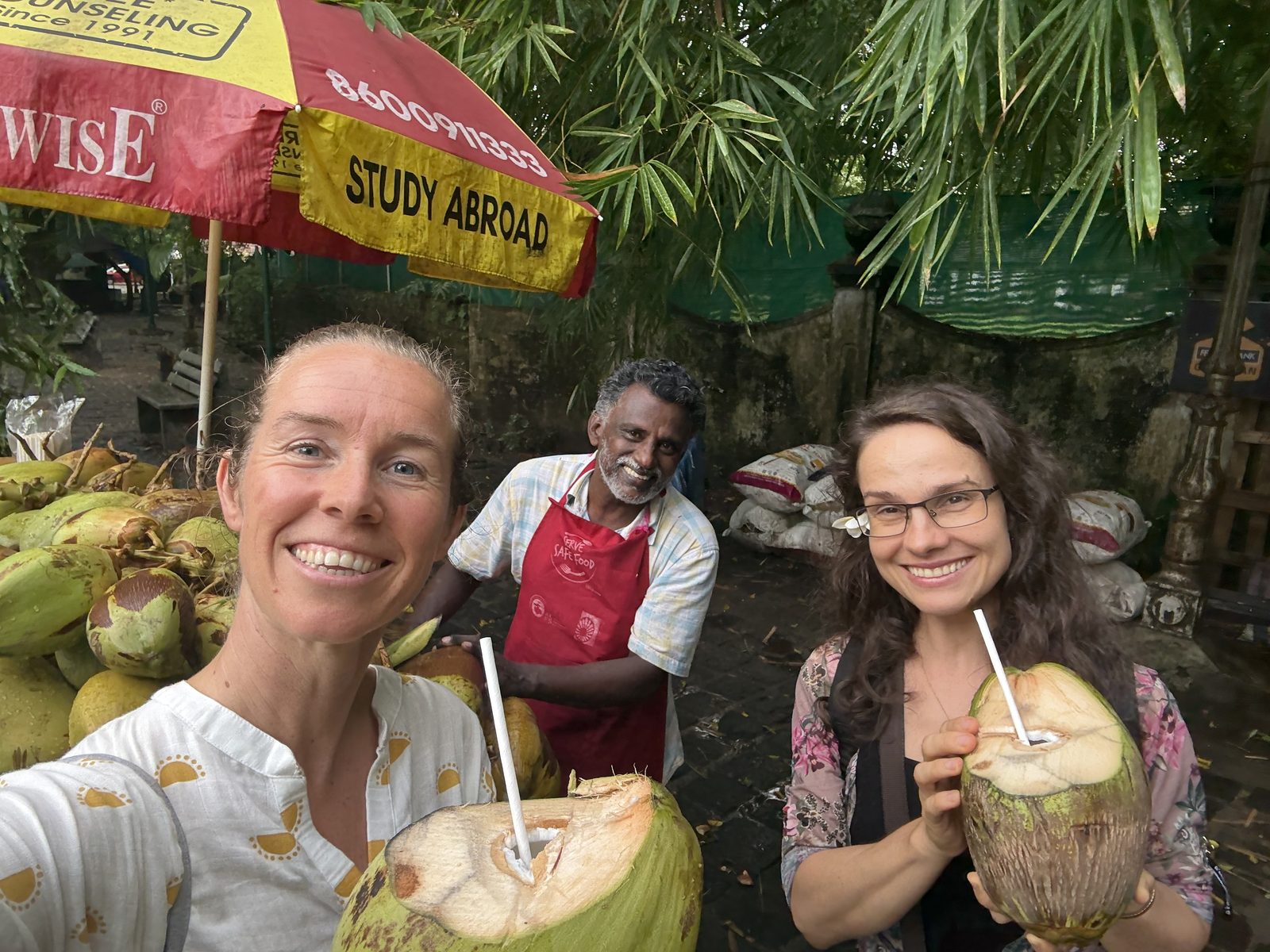
- Kerala means the ‘land of the coconuts'. Pretty much every meal has something coconutty in it. How amazing!!
- It's monsoon season but perfect temperature for me. It's humid but fresh and it showers now and then but not full days. It's the best time for Ayurveda as the pores open more.
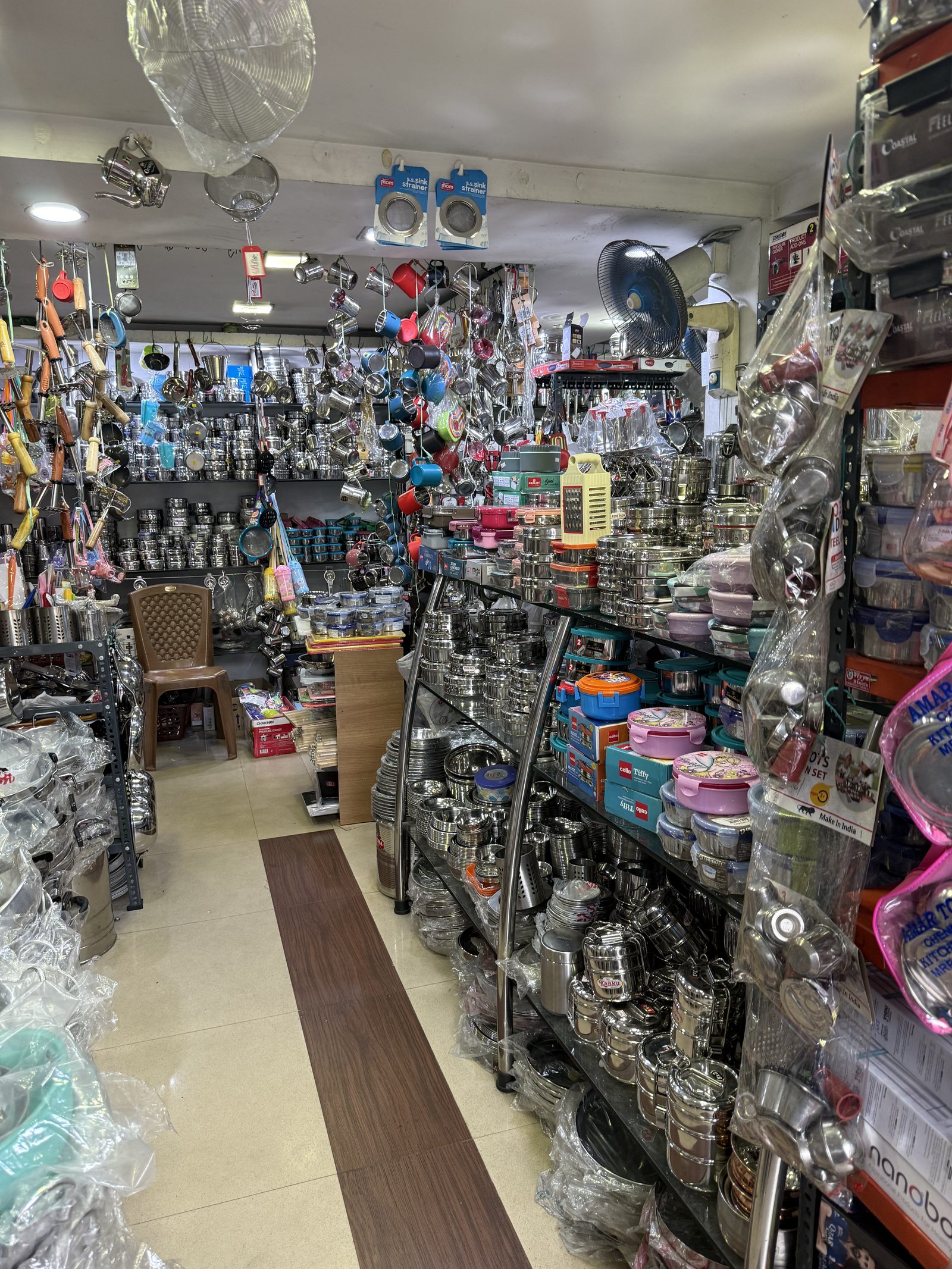
- I haven't received any single-use plastic item, anywhere. Pretty much everywhere is stainless steel.
- There are frangipani flowers everywhere. If you've been following for a while… I'm obsessed!
- How I love eating with my hands! Isn't it the most natural thing?
- Days went by without seeing another westerner. Then suddenly 2 lovely ladies walked into the same veggie restaurant and we ended up exploring together for 2 days.
- If a snake bites you, and the bite has 4 teeth, you're lucky! It's not poisonous. If there's 2 teeth, you'd better seek a hospital quickly. India has hundreds kinds of snakes and 4 of them are deadly. I haven't seen a snake yet but I met a bush man who knew all about it.
- You can make paper from elephant poo. There's even an elephant poo factory here.
- Peacocks like to sit in the top of coconut trees.
- The head wiggle, that head shake tilt move. A few days in and I still can't tell if it means yes or no. Let me know if you know!
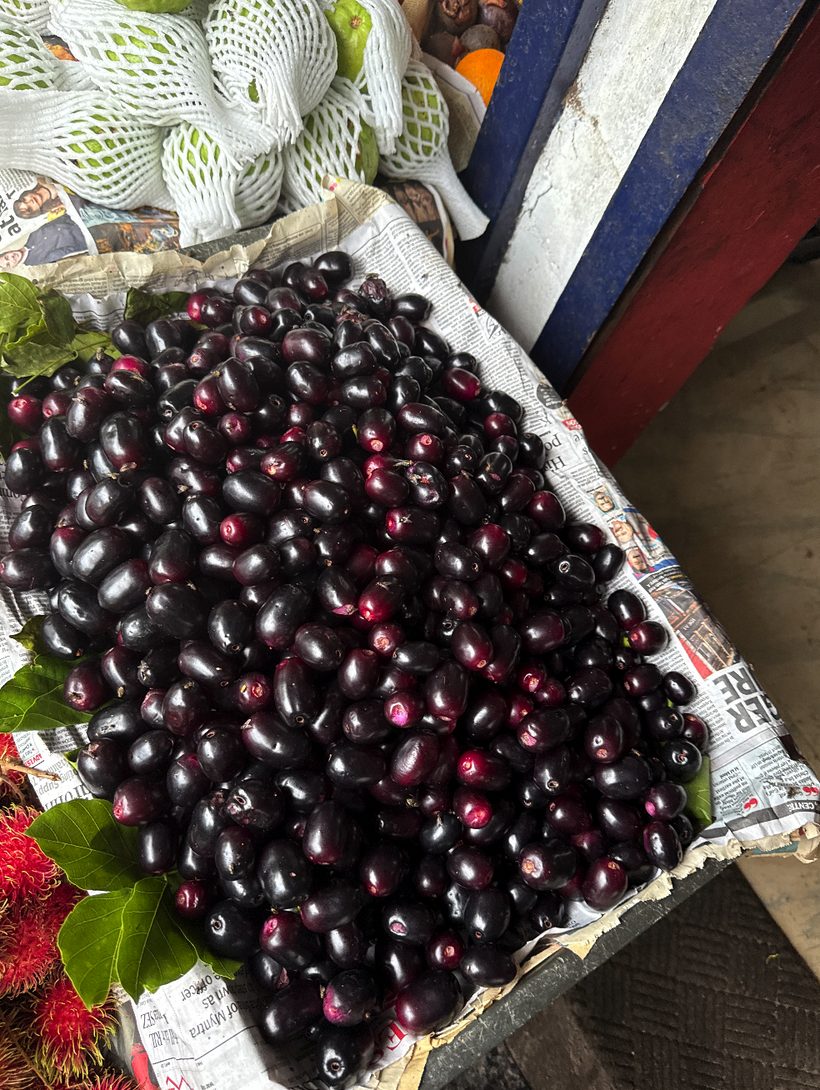
- It's mango season and pineapple season, bananas everywhere. And I discovered a new fruit! Jambal fruit. So sweet and yummy!
- The Dutch in collaboration with the locals created one of the most famous Ayurveda related reference guides! Hortus Malabaricus. A 12-part encyclopedia on the super powers of herbs, flora and spices.
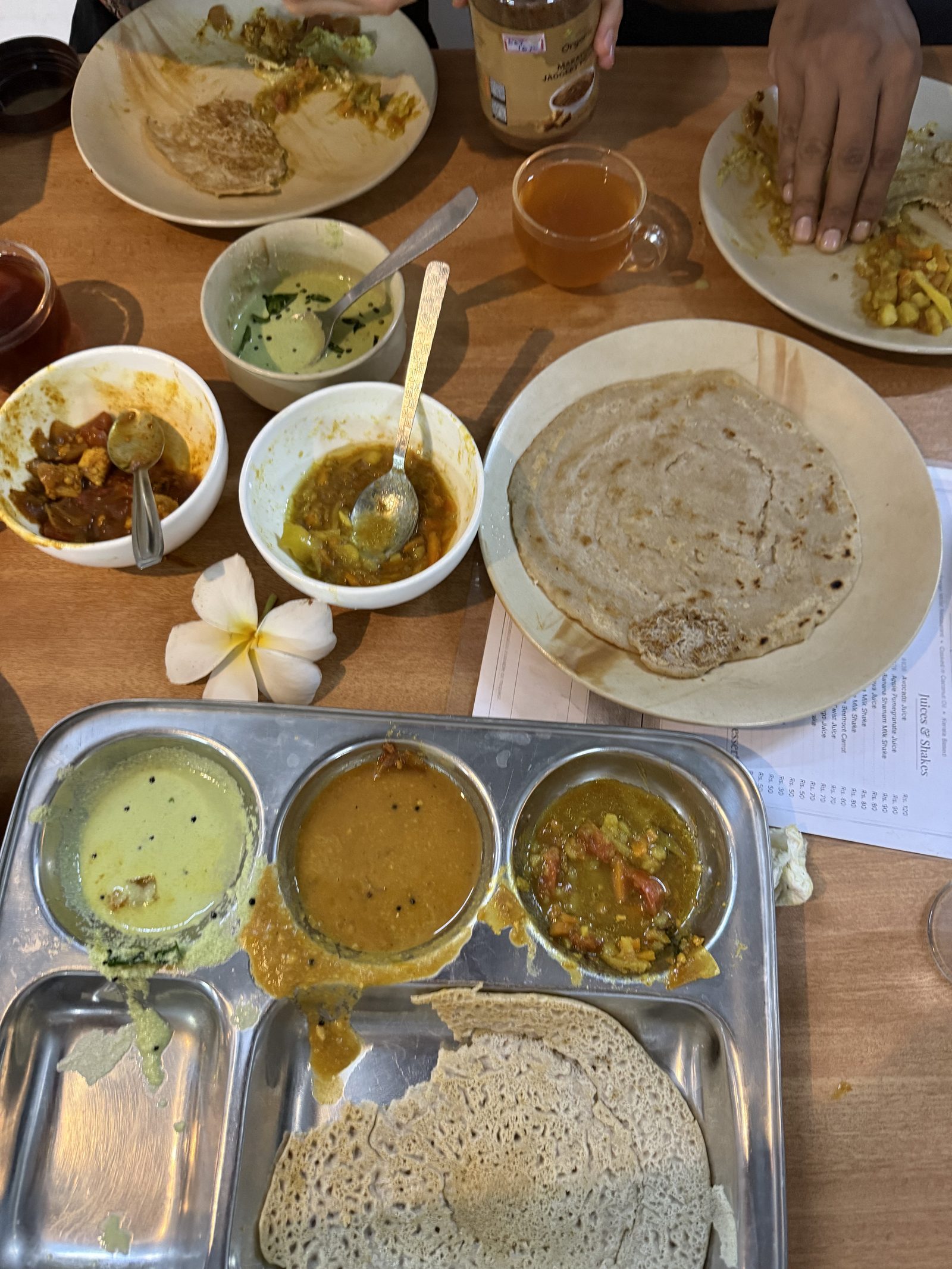
- I learned about many local Kerala dishes and the deliciousness and that my belly (and adventure jar) loves it too! Even the food in the airplane was amazing. There are lots of vegetarian restaurants and even hotels. A country to my heart!
Kerala is my country
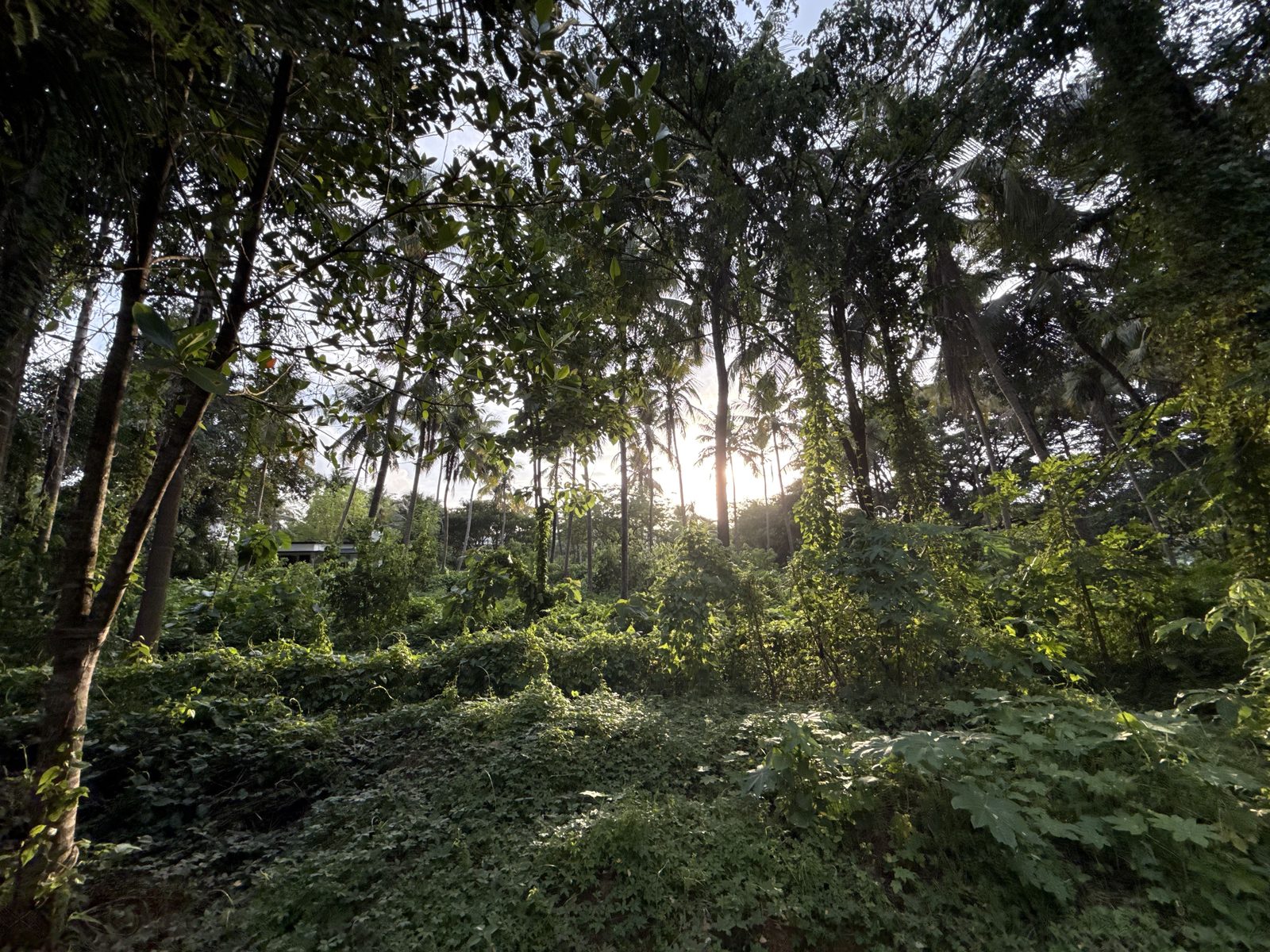
And last but not least: Kerala is my country! It's raining coconuts, mangoes, and water. There are frangipani flowers everywhere. The people are so sweet. And I feel super safe.
Being here reminds me of the time when I was living in Mauritius, 18 !! years ago now. That was my first intercontinental adventure where I learned about Indian and Hindu culture, and it set the course for a life of travel.
After my first week of landing, rooting and roaming around, I've now settle in one of the oldest Ayurveda centers of India. I was seeking a raw and real place and well I found it! I have some amazing stories to tell but I'm still more in observing and process mode of all I'm seeing and experiencing.
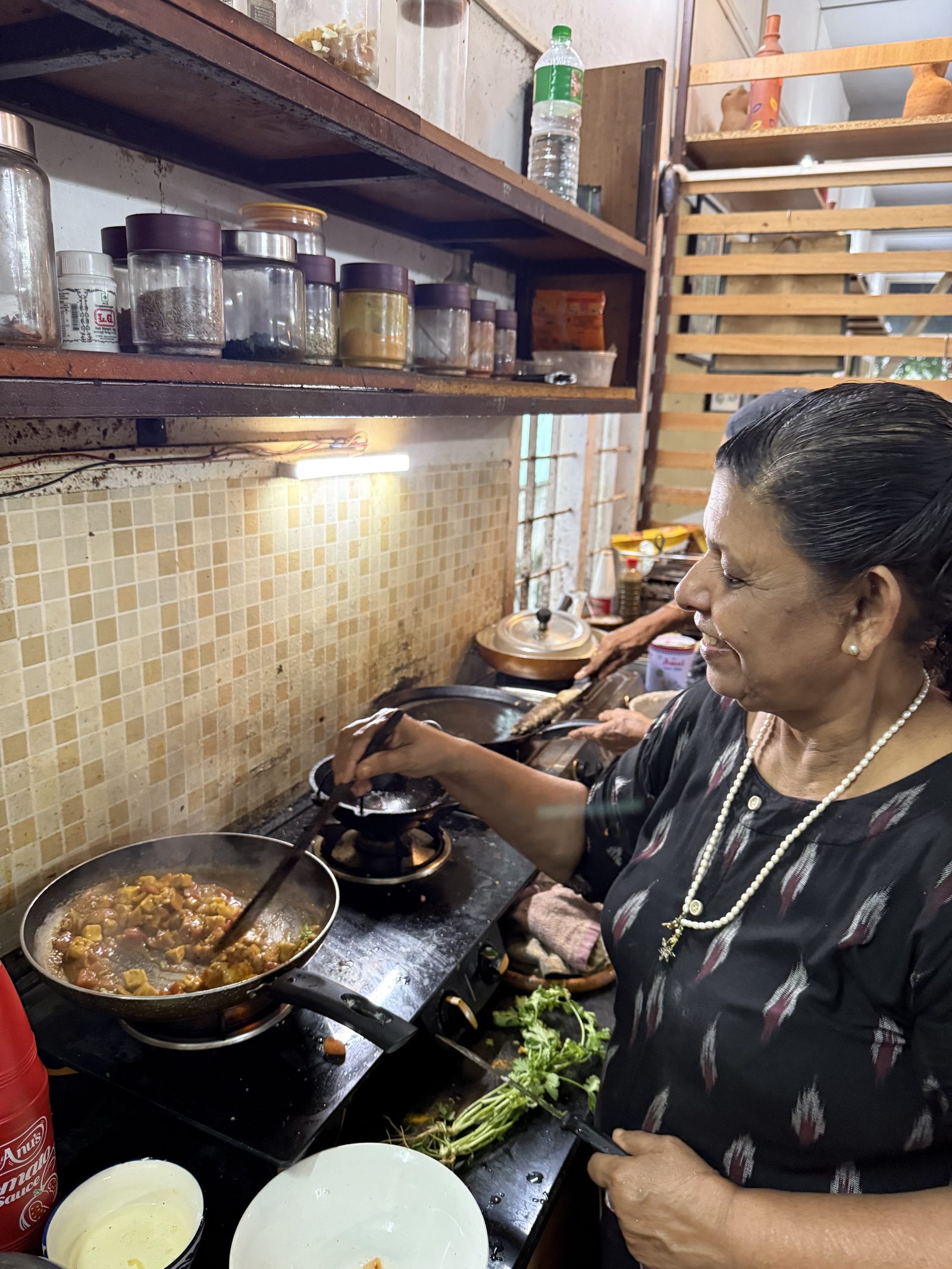
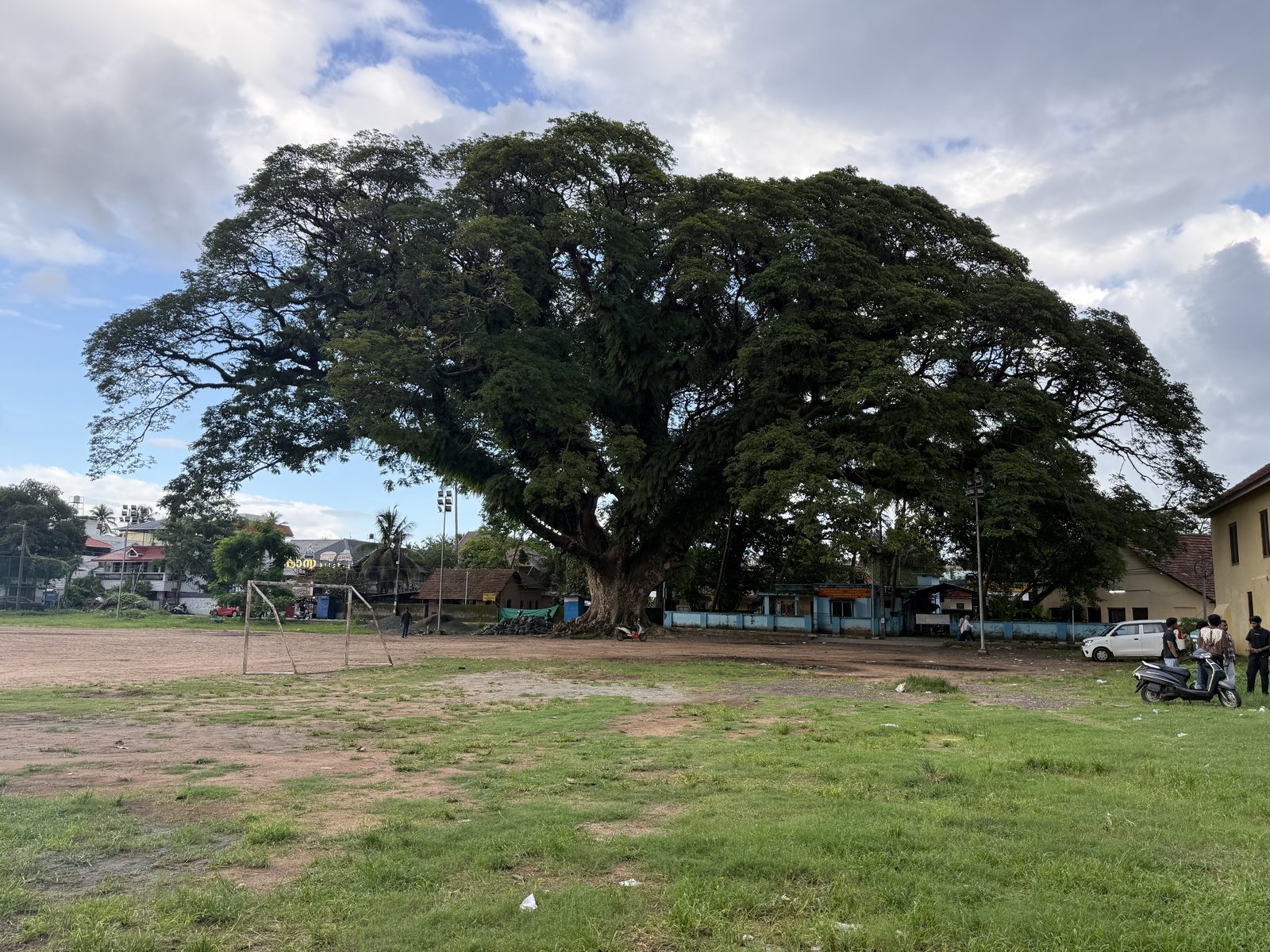
Tomorrow it's new moon again. To live in alignment with the cycles of nature has been super important to me over the last years. It has always been, but it's only in my later thirties that I started to realize this deeply. Especially when living nomadically. And this week, the alignment could not have been better! Tomorrow I start the treatments of all Ayurveda treatments.
More about all of that in the next updates. If you like to stay updated about my upcoming India stories and videos, leave your email here.
The videos land on my YouTube channel.
If you're planning your own first days in Kerala
This is the practical part, what I'd tell you if you were here with me, chai in hand.
Why I go slow in India
India is a subcontinent. I stay in one region and leave the rest of the map for another trip. That is also what makes travelling here on my own feel calm instead of scary. When you move every day you're permanently a stranger. New station, new faces, new chances to get it wrong.
Stay put, and something shifts. Within a few days people know your face. The chai stall, the homestay owner, the shop on the corner. You stop being a passing stranger and start being a regular. It's nicer, and a lot safer.
The best places I've found came from asking around and wandering. Slow days give you the time to do exactly that. I lean on locals much more than on any guidebook, though a good one is lovely for the history and the maps. Two solid picks are the Lonely Planet South India & Kerala (Amazon, Bol) and the Rough Guide to India (Amazon, Bol).
So the practical version is simple. Pick one or two regions and leave the rest of the map for another trip. Stay at least five to seven nights in each place. Give yourself a buffer day on arrival with nothing planned. I've written more about why this works in my pieces on what slow travel is and how to do it. India is just the strongest argument for it I've found.
Why I started in Kerala
If you're nervous about India and want a gentle way in, start in Kerala.
It's the green coastal state in the far southwest. Warm, friendly, walkable in places, full of coconut palms and tropical fruit. Fort Kochi in particular is compact and easy. You can wander it on foot, get a bit lost, and never feel far from a cup of chai.
Kerala has a coast and a mountain side. The coast, where I am, is warm and humid and where most first-timers land. Inland are the mountains, the Western Ghats, with tea hills and cooler air. I haven't made it up there yet. I will, and I'll report back, so subscribe if you want to follow that part. In monsoon the hills are apparently green, cool and quiet.
About the season: I'm here in monsoon and I half expected to regret it. I don't. It doesn't rain all day. A few showers pass through, the air turns fresh, and the place stays calm and uncrowded. There's a reason for the timing too. Monsoon is considered the best season for Ayurveda. The cooler, humid air is said to open the pores and let the treatments work deeper, which is the whole reason I planned my three months for now. My first Abhyanga massage, a warm oil treatment, was the perfect way to ground, relax and ease in after arriving. If you're curious about that side of things, I go into it in my post on Ayurveda for travellers. And if you want to start learning Ayurveda before you fly, The Ayurveda Experience has online courses you can follow from anywhere.
A funny full-circle moment: years ago I was hired to write a competitiveness report on wellness tourism across Kerala, Sri Lanka and Bali. I studied this coast on paper long before I ever smelled it. Living it is a different thing.
Kerala is the one I'd send a first-time solo traveller to without hesitation.
Is Kerala safe for solo female travellers
This is the question I got asked most before I left, usually with a worried face.
Here's what I've found so far, as a woman on her own. Kerala has a reputation as one of the gentlest places in India for solo female travel, and so far that matches my experience. I feel very safe. People have been kind, helpful and warm, every single day. The two other solo women I met said the same.
The same sense you'd use anywhere applies here. Slow travel does a lot of the safety work for you, though. Staying in one place means people know your face within days, and that familiarity is a quiet kind of protection you don't get when you're passing through.
A few things that have worked for me. I use Uber and the local app Ola instead of flagging taxis on the street, so there's no haggling and no guessing the price. A tuk-tuk across Fort Kochi is about 50 rupees. At airports and big stations there's an official prepaid taxi counter. You pay a fixed fare inside and get a slip. A local told me to always use it, and he was right. It's safe and you won't get overcharged. In bigger cities the metro often has a women-only carriage, usually towards the front. And I dress modestly, shoulders and knees covered, which is simply respectful and makes everything smoother.
In Fort Kochi I've felt completely fine wandering the streets in the evening, until around nine or so. Use your judgement, as you would anywhere.
Sort your travel insurance before you go. SafetyWing is the one I recommend for long, open-ended trips like this one. The rest is the same self-trust I leaned on hiking the GR11 alone with my dog.
What to sort out on day one
The boring logistics are what stress people out on arrival, so here's how mine went.
The visa first. Apply online for the e-Tourist visa, and only through the official government site, indianvisaonline.gov.in. There are a lot of copycat sites that charge more. Mine was approved in two to three days. The website is fiddly and not exactly fun to use, but it saves your progress as you go, so whatever you manage to fill in doesn't vanish if you stop. Apply at least four days before you fly, with a passport valid for six more months. If the visa or the airline asks for proof of onward travel, you don't have to commit to a full ticket. A dummy ticket, a real, verifiable flight reservation with a valid PNR, covers it for a few dollars.
Then connectivity, the one annoying bit. As a foreigner you can't just walk into a shop and grab a SIM, because you need a local phone number to register, which you don't have yet, so someone has to sign up on your behalf. They'll take a passport copy, a photo, the lot. It's much simpler at the airport, so do that if you can. My Airtel SIM was 700 rupees for unlimited data for a month, and it works well.
For the gap right after landing, before I sorted the local SIM, I used an Airalo eSIM. You install it before you fly and walk out of the airport already online, which makes booking that first ride or messaging your homestay so much calmer. Around fifteen dollars for a few gigs.
One more thing that took the pressure off the first day: I booked my homestay in Fort Kochi in advance. There are loads to choose from. I've tried both air-conditioned and non-AC rooms, and I prefer non-AC. They tend to be the nicer rooms, often higher up with a balcony, more greenery, more breeze. In monsoon it's perfectly comfortable, and the mosquitoes haven't bothered me at all.
Here is the live map for Fort Kochi, with prices from all the booking sites in one place.
Where to sleep in Fort Kochi
Compare prices and options between all the booking websites in one click. Homestays included.
Compare stays in Fort KochiEating and drinking well in Kerala
The food has been the happiest surprise. I've been eating my heart out in small, random local places and I haven't had a single bad stomach. No Delhi belly. Not once.
Part of that is what I order. I stick to the lighter vegetarian Kerala dishes and skip the heavy fried stuff. Breakfast is usually appam with vegetable stew, puttu with kadala curry, idiyappam (steamed rice noodles), or idli and dosa with sambar. All gentle and easy on the gut. For lunch, look for “meals”, the banana-leaf spread of rice with sambar, avial, thoran, olan and rasam. It's a lunchtime thing, served around midday and rarely in the evening, and a proper sadya is the feast version of it. Dinner tends to be lighter again, more dosa, appam or chapati with a veg curry. Kanji, a simple rice porridge, is about as gentle and Ayurvedic as it gets.
I do love a masala dosa, and a ghee roast, which sounds like gyros but really isn't. It's a crispy dosa roasted in ghee, golden and delicious.
One thing to know. A lot of food here was traditionally cooked in coconut oil, but these days many places have switched to palm oil. It's worth being a bit choosy and finding the spots that still use coconut oil, especially if you're eating clean. And the food is absurdly cheap. A good veg meal is around 100 rupees, a coconut somewhere between 30 and 70 cents (I've started keeping a private little coconut index), and a chai is 10 to 15 rupees.
Chai comes sweet by default, so I ask for no sugar. And the fresh fruit juices are so good, yum.
There are vegetarian restaurants everywhere, often signed as veg hotels (in much of India a hotel is an eatery, not a place to sleep). So many options I'm spoilt for choice, and the tropical fruit alone is worth the trip.
I love that the small places serve everything on stainless steel. Thali plates, little metal tumblers, very little plastic anywhere. The everyday zero-waste I'm always banging on about, just normal life here. If you fall for the spices the way I have, a steel masala dabba is the nicest way to carry the habit home.
On water: never drink straight from the tap. I drink the filtered water the restaurants put out and I've been completely fine, but trust your own gut on that one. To avoid buying a mountain of plastic bottles I brought a Katadyn filter, the BeFree, because it's feather-light. If your stomach is sensitive, a UV purifier adds an extra layer. I go deeper on travel water kit in my portable water purification review.
Getting around Kerala by train and Uber
You don't need to fly around India. The trains are wonderful, and they're the best slow-travel tool I know.
I've been using a mix of trains and Ubers, and the train is the one I'd choose every time. You watch the country slide past, chai vendors come down the carriage, and an overnight train saves you a night's accommodation. For me it also means no domestic flights, which matters to how I like to travel.
A few practical notes. Set up an account on the official IRCTC site before you arrive, it's far easier to do at home. Foreign tourists can book on the Foreign Tourist Quota up to a year ahead, with confirmed seats, and 3AC (air-conditioned, with bedding) is the sweet spot for a first long journey. If the IRCTC site fights you, 12go.asia handles the popular routes with a foreign card. Book the big legs a couple of months ahead, because the good trains sell out, and last-minute Tatkal tickets are no longer really an option for foreigners.
For everything shorter, Uber and Ola take the stress out of getting around town. And as I said, use the prepaid taxi counter at airports and stations. Fixed price, no negotiating, no surprises.
A last word on packing, since it ties in. Bring very little. You can find almost anything here, often better and cheaper. Beautiful cotton and linen clothes (leave the fancy stuff at home), travel adapters, you name it. My iPhone camera lens cracked and I had it replaced for about 100 rupees. For the bits I do pack, I keep it light and low-waste. The same ultralight backpack I travel with carries everything, and I bring solid toiletry bars instead of bottles, the kind of thing in my plastic-free toiletries and zero-waste travel kit posts.
Questions people ask about first days in India
Is Kerala safe for solo female travellers?
Yes, with the usual awareness. As a solo woman in Kerala I've felt safe and looked after the whole time. Stick to verified accommodation, use Uber or Ola instead of street taxis, take the prepaid counter at airports and stations, dress modestly, and favour a calmer region like Kerala to start. Staying longer in one place makes it safer still, because locals come to know you.
How much does slow travel in Kerala cost per day in 2026?
It's very affordable. A vegetarian meal runs around 100 rupees, a chai 10 to 15, and a coconut under a euro. Budget travellers can manage on roughly 25 to 35 dollars a day, and a comfortable mid-range pace sits around 50 to 70, including a nice homestay in Fort Kochi, local food and transport.
Can I eat plant-based in Kerala?
Easily. Kerala has so much good vegetarian food, and India overall is one of the simplest countries for plant-forward eating. Look for the green dot, which marks pure-veg food. Stick to lighter dishes like appam with veg stew, avial, thoran, sambar and kanji, and look for places still cooking with coconut oil instead of palm oil.
There will be more India stories coming on my YouTube, so subscribe there if you want to see Kerala and the Ayurveda centre with your own eyes.
I'm sharing my most raw updates and notes from my Ayurveda adventure on Patreon. Some posts public, some for patrons only if you're interested in following more closely and get to the deeper stuff. Notes from the treatments, what I learn from the Ayurvedic doctors, lessons from the journeys, discoveries not to make public for now at least. Unfiltered stuff for which Instagram or YouTube is not the place. Real and personal. Come along for this journey!
Stay wild.
With love, Suzanne
Wild at heart? Let's be friends.
Join me on YouTube for slow travel adventures by van, sail and on foot.
Or get my new stories by email, every couple of weeks.
Ocean Nomads is the community I founded, for people who want to live a little wilder, explore a little further, and do it with good people.
For deeper trail stories and the behind-the-scenes, I write on Patreon.
Explore more
Read next

About Suzanne
Two decades of nomadic living by sail, van and on foot, and three months in Kerala in 2026 studying Ayurveda at the source. Five Atlantic crossings, 2,500+ km of thru-hiking, six years living in a van. Founder of Ocean Nomads. I travel by sail, van and on foot. Full bio: about me. Say hi on Instagram or YouTube.
Disclaimer: As always, opinions are my own. What drives me is care for nature, getting you into nature, and encouragement for natural living. If you're looking to book a place to stay or a gear item, huge thanks if you purchase it via this website. At no extra cost to you, orders and bookings through this website give me a tiny piece of the pie that helps me keep investigating, exploring, and creating content about living with and for nature.