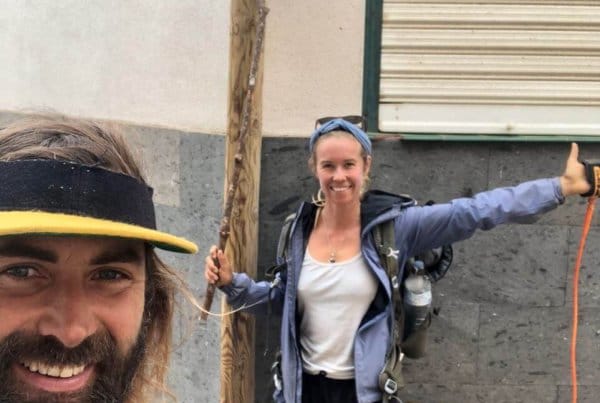


Temple, check! Pretty beach, check! Museum, check! Volcano, check! You're travelling and you want ‘to get the most out of it.' You come back home. The SD card is full with photos. You squeezed in most sights from the guidebook. You have definitely seen a lot. Only you feel like you need a holiday from the holiday you just had. Sounds familiar?
With travelling like this, I think we often miss the point. It is not a race about checking off as many sites as possible. This is exhausting, shallow, and costs lots of money. It's not rewarding for yourself, nor for the places you're visiting.
I've spent the last decade-plus living the alternative. Sailing across oceans. Walking 850km across the Pyrenees. Vanlifing through Morocco. Living months at a time in single villages and bays. The way I move now has a name: slow travel. And it has changed everything about how a trip feels, what it costs, and what I bring home from it.
What is slow travel?
Slow travel means staying longer in fewer places, moving by your own two feet, wind or wheels where you can, and spending real time in the daily life of a destination instead of skimming its highlights. The goal: to discover, experience and live a destination meaningfully and mindfully.
Going deeper, not faster. Spending weeks where most people spend days. Walking, cycling, sailing, or taking the bus instead of flying everywhere. Staying long enough to know the local coconut man, the morning rhythm of the village, the place behind the postcard.
It's also called slow tourism. The idea grew out of the slow food movement that started in 1980s Italy, when locals pushed back against fast-food chains and revalued the time food and place actually need. Slow travel is the same instinct, applied to how we move.
Slow travel is not just for digital nomads and long-term travellers with a lot of ‘free' time on their hands. It's for everyone who wants to come home from travels as rich (in experience) as possible. Even a two-week holiday can be slow if you spend it in one country, one valley, one village.
The slow travel philosophy
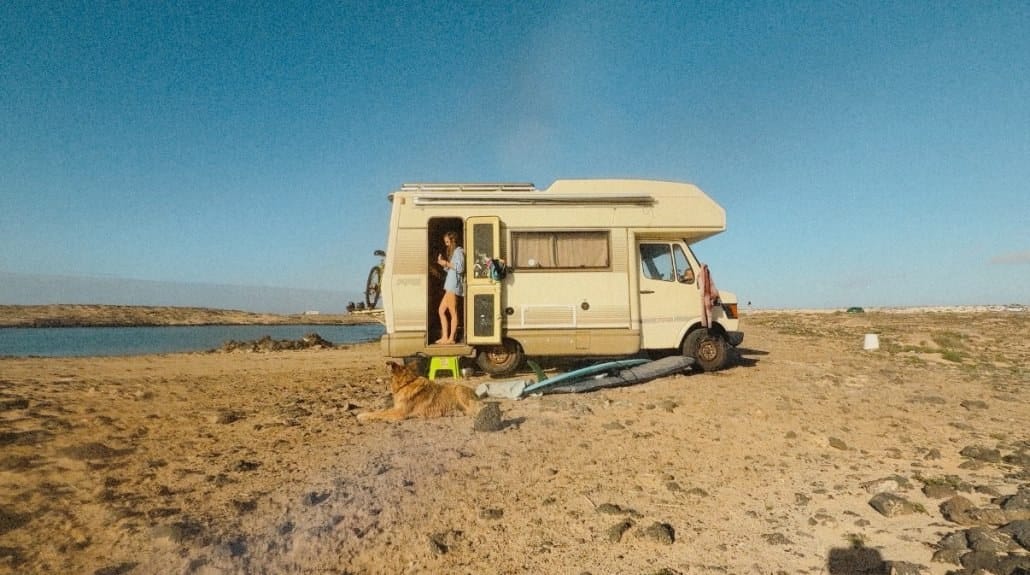
Now, imagine living for a week, or ten, in a van, boat, tent or rental, buying fresh coconuts from the man around the corner, riding bicycles along the beach, sipping coffee in your new favourite coffee bar, having dinner with a local, spending little, while quality-timing with the people around you, increasing your understanding of the place. You haven't seen less. You have only seen, felt and heard more of what's happening around you.
I'm a big ambassadress of slow travel, and these are the reasons why.
Slow travel vs fast travel
Fast travel is a checklist. Slow travel is a stay.
Fast travel: three cities in five days, an itinerary printed out, a flight every other morning. You see the highlights. You leave exhausted. The locals are blurry faces. The food is whatever the hotel restaurant served.
Slow travel: one valley for two weeks. Walking instead of flying. Eating where locals eat. The same coffee bar three mornings in a row, because the woman behind the counter remembers your order on day two. You see less. You feel more.
Both can be travel. Only one feels like rest.

13 reasons to slow travel
1. Adaptation takes time
Travelling in a different country, culture, and climate requires some adaptation. Usually it'll take a day or two before you feel relaxed and comfortable in a new situation, and weeks to start to understand the place a little bit. If you sit back, relax and absorb what's happening in the new place, you can easily process the new environment. Learn some local words and you can rock the rest of your stay.
Your body is adapting too. Different light rhythms, food, temperatures, sounds, social norms, and time zones all affect your nervous system and digestion more than most people realise. Ayurveda sees travel as something that can easily overstimulate the body and mind, especially when moving fast between places and routines. Slow travel gives your system the space to land properly, settle into local rhythms, and reconnect with the natural pace of the place instead of constantly rushing through it.
2. To eat AND repeat
When arriving at a new place you can get overwhelmed by the unknown dishes, fruits, veggies, and street food you see. It's cool to discover, try, and ask locals about it, instead of going with the comfortable club sandwich. Who knows what new favourite dish you'll find! Food is one of the best parts of travel so better engage all your senses!
3. Unexpected things happen
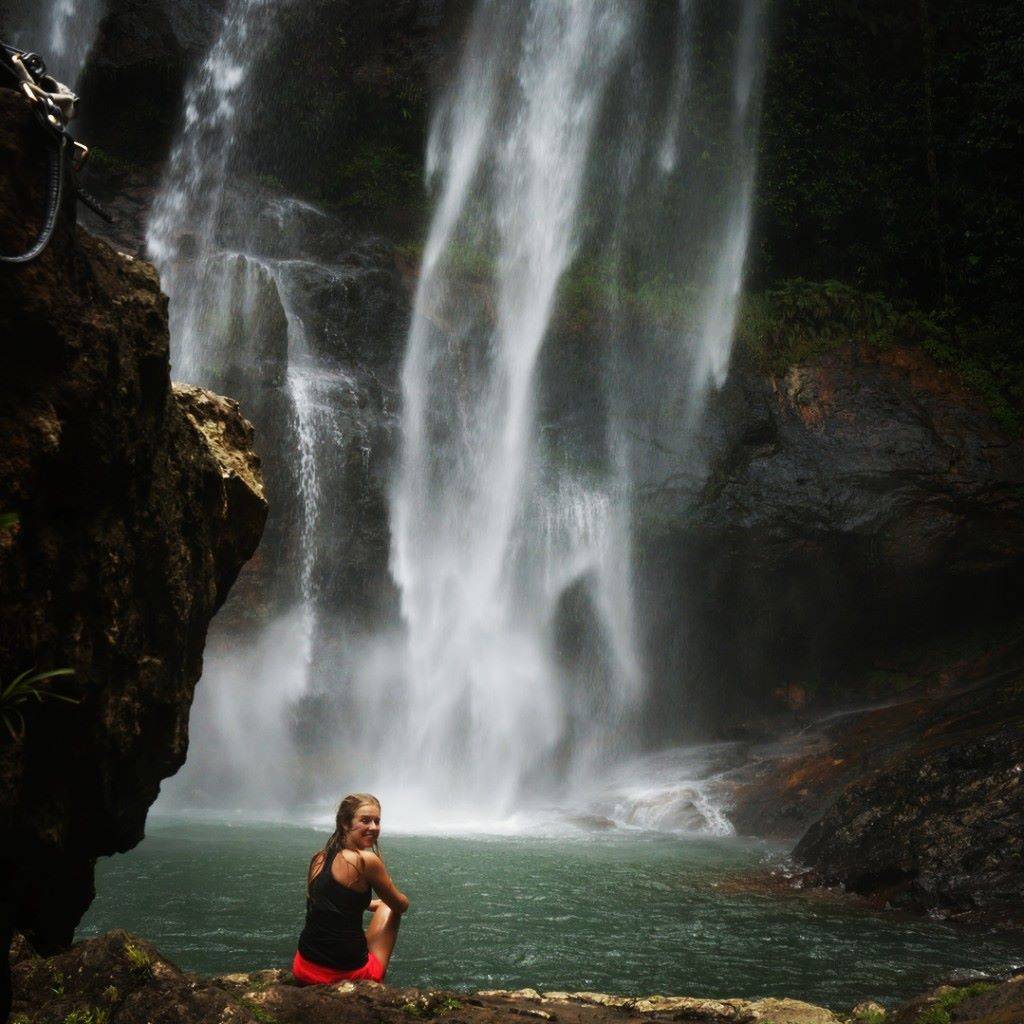
When you're not on an itinerary, you'll be more open towards what's happening around you. If you don't plan and go with the flow, who knows what comes up! You may end up having dinner with the first inhabitants of the Galapagos Islands because you had no plans! If you're really lucky you meet the country's bodybuilding team on a deserted island. Or, who knows, you end up at a Balinese temple ceremony.
4. Friendly for the (local) wallet
By staying longer in a place you can make a better deal on the accommodation price. A week in a hotel is about the same as a month in a rental. The local coconut man sells for friend prices because you repeat your visits. You can sort out the cheapest way to the next place whenever an offer arises. It's not only friendlier for your wallet but also for the wallet of the locals. With slow travel, you don't book all your stuff in advance, but you'll figure it out on the way. It's nice to pay directly to the end provider. The local will notice a dollar more or less! The bookings platform won't.
If you really want to slow down without spending much, look at house-sitting and boat-sitting (the platform I use is TrustedHousesitters, code TRUSTED15 for 15% off membership). You stay weeks (sometimes months) in one place for free, in exchange for caring for someone's home and pets. Slow by design.
5. Cultural exchange
By taking it slow, you experience more of the daily life, local habits, customs, language and cultural details that you may not see when you race through a place. The world is full with cool people with different beliefs, backgrounds and interests. Hearing new perspectives can be very eye-opening!
Photo: Having dinner in Flores, Indonesia with my new local friends.

6. Meeting people and friends
Slow travel allows for more than one good conversation with locals and travellers alike. It makes you get to know your neighbours. If you stick around for months, as I mostly do, these people become friends. Real friends.
7. Photo opportunities
Best photographs from travels follow from relationships with locals or other travellers, local events you encounter, or discoveries made when going by foot.

8. Personal growth
The best way to learn is through experience. By participating and interacting, instead of spectating, you figure out how things work in a country. Why do people do things as they do? The unfamiliar can be scary, confusing, and uncomfortable. But in the end, it's these experiences that make you wiser.
9. You see more beauty
Going from sight to sight to sight is stressful. Stress makes tired. Travelling at slow pace gives you more energy to enjoy the simple things. By slowing down and walking the scenic route instead of taking a taxi, we get to enjoy a whole lot of beauty, which we would miss when only checking off lists. Beauty is all around us!

10. Today is all we have
We don't know what will happen tomorrow so we better make the most out of every moment. Slow travel makes you present and mindful. It's appreciation in the little things that makes your day. We just need our senses to hear, feel or see it. Like watching the old friends playing chess on a main square, smelling the frangipani flower with its intriguing fragrance, feeling the sand scrubbing beneath our feet, or listening to the singing of the birds when waking up. When you take it slow, you're automatically more aware, wherever you go. It's about the journey, not the destination. Cliché but it is!
I love how this video, narrated by Alan Watts, visualises this. Watch and learn.
11. Easier on the environment
Less buses, less taxis, less airplanes for slow travellers. With your own two feet, wind in the sails, or a bicycle you travel much more eco-friendly. Also, when sticking longer in a place, you may discover that green restaurant or learn which fish is responsible to eat, like the Señor below has been teaching me in Tarifa. Here's 50 more tips to travel with a positive impact.

12. Off-the-path expertise
Step out of the tourist bubble and explore the unknown! Make your path. Go left instead of right. This is more challenging than hopping from sight to sight, but these new experiences are exciting and rewarding. What's the worst that can happen? Get to know the area, wherever you are. You'll surely discover some cool local spots and places.


13. Curiosity for the next visit
It's simply more rewarding to get to know a few places really well than to only see a little bit of many places. You gain a greater appreciation of the place and the place gains appreciation for you. And you'll have something new to see on your next trip!
How to slow travel: 11 ways to start
How do you slow travel if you have only 20 days off per year? It's not necessarily about the travel time you have. It's about the meaning you attach to the time you do have. That is slow travel. After more than a decade of globetrotting, here's how I do it.
1. Capture without your camera
Take your time in your surroundings before grabbing your camera to share it with your friends. Engage all senses. Don't just see things but listen, feel, smell, taste all the small things you encounter. Smell the frangipani flower, listen to the sounds of the waves, enjoy every bite of the mango ice cream, feel the sand scrubbing your feet, and watch the colours of the sunset. Or just sit on a bench, watch and observe. Absorb what's happening. I'm sure you'll notice a lot around you.
2. Meet and greet
The most lasting memories are often from people you meet along the road. Be open to others and their story. Just smile and be confident everyone loves to talk to you. Visit the market and start conversations with some vendor-men, meet other travellers at a Couchsurfing meeting, dine with locals, take a salsa class, join the (often free) sailing day at the local yacht club, check what's happening on Meetup.
3. Go local
Make an effort to understand the culture and place you are visiting. Why do they do things as they do? Engage in daily activities and learn through experience. Book local-style or homestay. Figure out the local sport and go watch a game or do it yourself. Learn the language. Take the local bus. Go to the hairdresser. Visit a cheese, wine, rice, tea, rum, or fruit farm. Eat at the plastic-chair place where there's no English menu. Check the calendar for festivals and celebrations and see if you can join. Shop at the local shop. Eat with a local. Learn the traditional dance. Have a cooking class. Hire a local guide.
4. Get lost
Get yourself in an uncomfortable situation and think ‘what's the worst that can happen?'. It's probably not that bad. It's often most rewarding! So stroll down a random street, get lost and enjoy discovering cool local spots and places. Step out of the tourist bubble and explore the unknown.
“Be brave. Take risks. Nothing can substitute experience.” — Paulo Coelho
5. Explore without an engine
To be able to take in what's happening in a place, you need to move slowly. Snorkel, swim, sail, walk, or cycle, instead of taking the lazy motorised option. Opt for the scenic route and engage your senses. The slowest, deepest trip I have ever made was a long-distance walk: 850km across the Pyrenees on the GR11, with my dog. The shortest and most accessible was Portugal's Fisherman's Trail: a coastal walk you can break into a long weekend.
6. See less, be more
Spend more time being in one place instead of seeing several sights. Take in the daily life. You'll experience a place in a deeper way. You don't have to see something because the guidebook says so. The guidebook is just one (or a few) person's perception. You simply cannot visit everything that's in it.
7. Give back
Stimulate the local economy beyond the accommodation thingy you're staying in. Spread the benefits of your stay around town. Support different families by eating, buying and interacting with different businesses in a destination. By staying longer in a place you are also more likely to find those businesses with responsible practices. Support these initiatives. In the process, you will also have a more rewarding experience by knowing you contributed to the conservation of a place.
8. Do something you have never done before
When was the last time you did something you had never done before? Start a conversation in a foreign language, climb a mountain, swim at sunrise, play ‘Coconut jeux de boule', adopt a coral, have a Thai massage, sleep outside, try a new type of yoga, simply try an unknown fruit, or ask the waiter for their favourite dish and just have that one. It can only make you richer.
9. Just relax and take it easy
Take a place at slow pace (but make every moment count!). Leave the watch at home and go with the flow. Have no expectations. Nothing goes as planned, so just accept that, be flexible and stay calm. Missed the train? Good for you. You just created time to enjoy the surroundings.
10. Disconnect
I challenge you to not look at your phone, ipad, and computer for a day. I promise you the earth keeps turning, business continues. And don't always grab the camera. Yes, I'm guilty myself too. But really, the biggest joy is in the moment, not in watching the picture later at home or sharing it with your friends.
11. Be grateful
You only realise how lucky you were when something is taken away. Be grateful for your ability to enjoy all the beauty of planet Earth. It's appreciation in the little things that makes you happy and alive.
What slow travel looks like in my life
Some of the slowest, richest trips I have ever taken:
- Three weeks walking the coast of Portugal on the Fisherman's Trail with my dog. No engine. No itinerary apart from where to sleep that night.
- 850km across the Pyrenees on the GR11, ocean to ocean, in 47 stages. Two months of walking, eating, sleeping, repeating.
- Hiking the Waitukubuli National Trail through the jungle of Dominica.
- The van is my homebase and it's rare I stay somewhere shorter than a week.
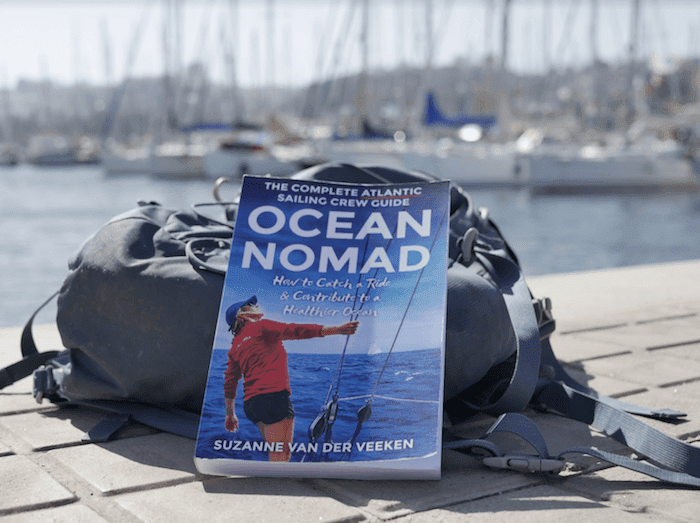
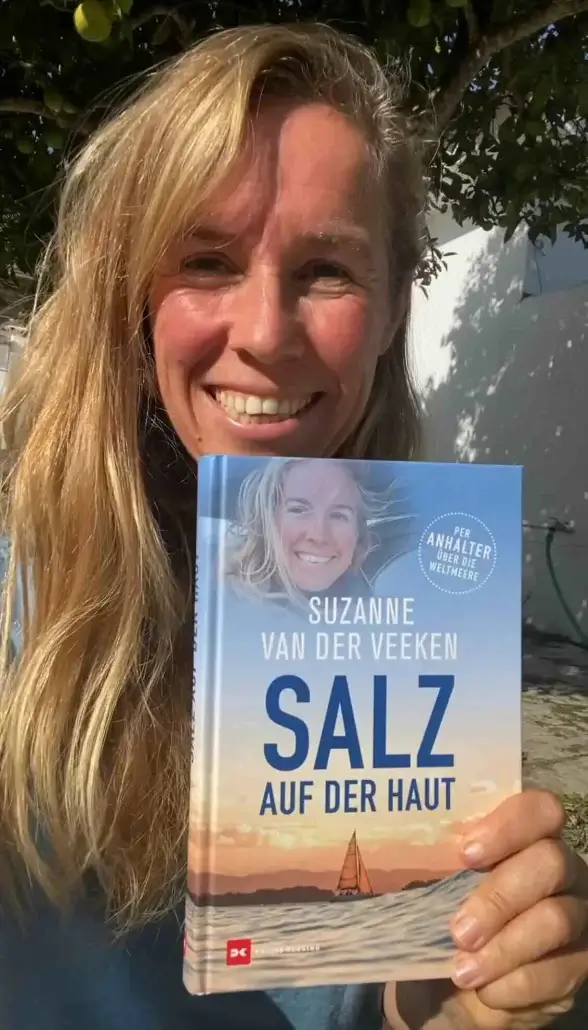
- Crossing the Atlantic Ocean as crew on a sailboat, three times now. Three weeks of nothing but sea, stars and the people on the boat. I wrote a whole book about how to do it: Ocean Nomad.
- A month house-sitting in southern Spain. Free accommodation, real time in one town, a routine.
None of this is exotic. All of it is available to anyone with a pair of legs, a tent or a working visa. The hard part is choosing slow when fast is the default.
Frequently asked questions about slow travel
What does slow travel mean?
Slow travel means staying longer in fewer places, moving by your own two feet (or wind, or wheels) where possible, and spending real time in the daily life of a destination instead of skimming its highlights. My definition: to discover, experience and live a destination meaningfully and mindfully.
How do you start slow travelling?
Pick one country, one region, or one valley for your next trip. Stay longer than feels normal. Walk, cycle, sail, or take the bus instead of flying between places. Eat where the locals eat. Talk to people. Don't book the next month in advance. If you only have two weeks of holiday a year, pick a single base and go deep instead of moving every two days.
Is slow travel cheaper than regular travel?
Often, yes. Weekly and monthly accommodation rates are far lower than nightly hotel prices. You spend less on transport when you are not constantly moving. You eat cheaper too, because you cook some of your own meals or find the plastic-chair place the locals use. Free accommodation through house-sitting and boat-sitting (try TrustedHousesitters with code TRUSTED15 for 15% off) can take it lower still.
What is the difference between slow travel and fast travel?
Fast travel is checking off sights. Slow travel is sinking into a place. Fast travel needs an itinerary and a packed calendar. Slow travel needs a hammock and an open afternoon. Both are travel. Only one feels like rest.
What are some examples of slow travel?
Walking a long-distance trail. Crossing an ocean by sailboat. House-sitting for a month. Vanlifing through a single country. Renting an apartment for four weeks instead of a hotel for four nights. Cycling between villages. Sleeping in homestays. Working remotely from one base for a season instead of moving every weekend. Slow can be any of these. The thread is depth over distance.
Can I slow travel with only two weeks off a year?
Yes. Pick one country (or one part of one country) and stay there. Skip the airline-miles spreadsheet. The point is not the length of the trip. It's what you do with the time you have. Even a long weekend can be slow if you spend it in one village instead of three cities.
It's not the time you have, it's what you do with it
It's not necessarily about the travel time you have. It's about the meaning you attach to the time you do have. You can try this at home too.
In the meantime: sit back, relax, and enjoy the ‘slow down' song.
If sailing is calling you
The slowest, deepest way I have ever travelled is by sailboat. Three weeks of nothing but ocean. No engine most of the time. No emissions most of the time. Real distance, real silence, real community.
You don't need to own a boat. You can crew on someone else's. Inside Ocean Nomads I run a community for people who want exactly this, plus a course called Zero to Ocean Nomad that takes you from no sailing experience to confidently stepping onto a boat as crew. We're crossing the Atlantic together winter 2026/2027.
Stay wild,
Suzanne
Some links on this page are affiliate links. If you book or buy through them, I may earn a small commission at no extra cost to you. I only recommend things I actually use and trust.
Related Posts