

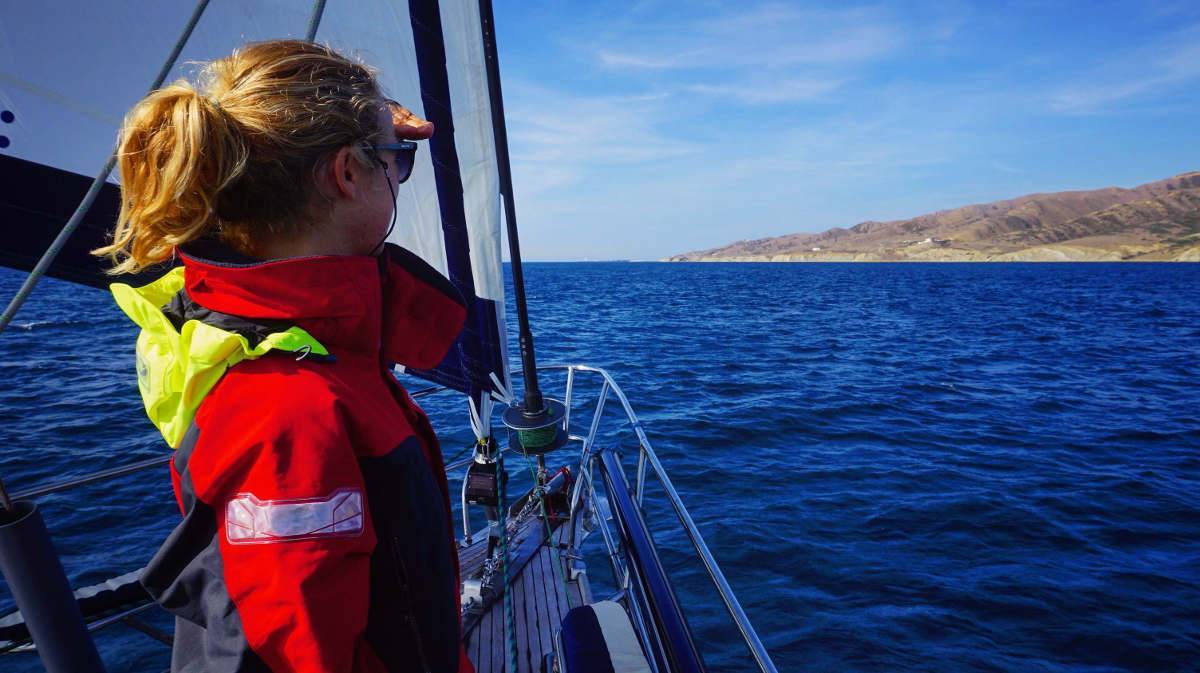
Christopher Columbus needed to convince the Queen of Spain to sail across the Atlantic. Nowadays, we have the internet: one of the three methods to find a boat. The other two are showing up in the right harbour at the right time, and your network. Most successful crew use a combination of all three. I've used all ways, sailing 5 times across the Atlantic Ocean.
Quick answer
There are three ways to find a sailboat ride across the Atlantic: the internet, the harbour, and your network. Each one has its strengths. The internet casts a wide net. The harbour gives you face-to-face leads. Your network finds you the matches that actually work. Most successful crew use all three.
Finding a boat is the easy part. Finding the RIGHT boat, captain, and crew is what makes or breaks the experience. So don't just pick the first match. Research carefully. Trust your gut.
Who's writing this
I'm Suzanne. 50,000+ nautical miles, 5 Atlantic crossings as crew, Yachtmaster Offshore. I founded Ocean Nomads from this exact starting point: trying to find a boat to sail across the Atlantic, almost 15 years ago. I've been on the crew side, the captain side, and the network side. This is the framework I teach inside the Zero to Ocean Nomad course, condensed.
Some links in this post are affiliate links. I only recommend tools and partners I actually use. I'm also the founder of Ocean Nomads, which is referenced below.
Method 1: The internet (sailing crew websites)
The internet is where most people start. Here you are :). It's the easiest way to cast a wide net, see what's out there, and start having conversations with captains. But it's also where most beginners stop, which is the mistake. The websites are just the entry point, not the answer.
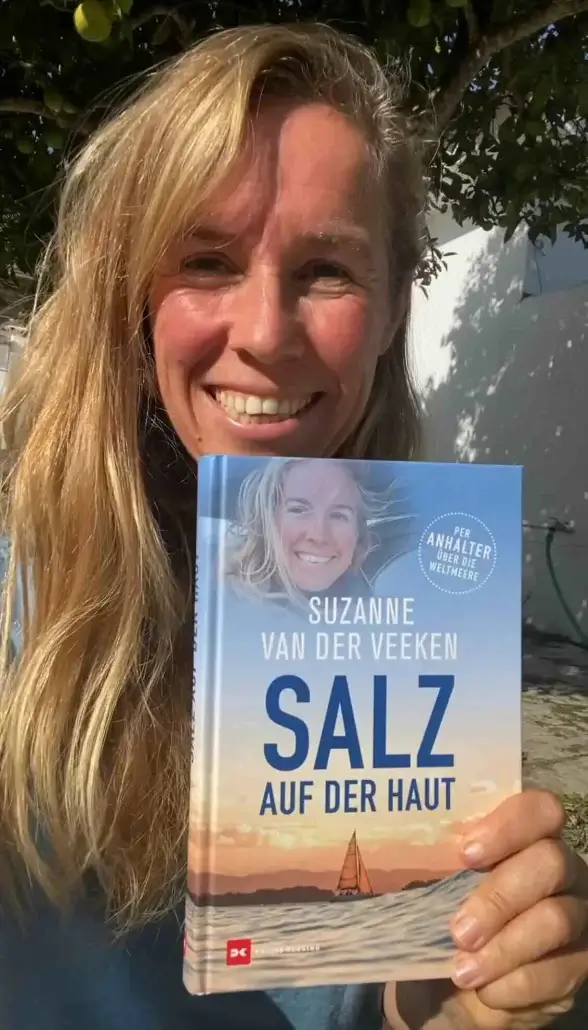
There are dozens of sailing crew websites out there. Inside the Zero to Ocean Nomad course I cover 60+ places to find a boat, including european-only platforms, dog-friendly options, boat-sitting networks, regatta and rally lists, and the niche forums that don't show up on Google. For this post I'll keep it to the three I'd send a friend to first (I've interviewed them all for my book Ocean Nomad), plus a few noteworthy mentions.
Ocean Crew Link
Run by the World Cruising Club, Ocean Crew Link focuses specifically on ocean crossings (especially ARC and World ARC rallies). Around 150 ocean sailing opportunities are posted to the site each month. Almost 10,000 users receive the weekly mailing with new listings. If you're focused on Atlantic, this one is quite targetted.
Investment: US$10 for three months access.
Findacrew
The biggest crew network out there. Listings in over 200 countries, both crew and boats. Creating an extensive crew profile lets you search opportunities, express interest “waves” to boat owners, and receive messages from premium users. Premium membership unlocks direct messaging both ways. Find a Crew has a full-time support team that monitors any dodgy activity, and all profiles are manually approved.
Investment: Premium memberships run for 30, 60, 90 or 365 days. €49 / month, €277 / year for the annual plan.
Crewbay
Crewbay connects newbie, amateur, and professional sailing crew with captains and boat owners worldwide. More than 150 boats register every month. Free to browse, with paid premium for power features. Particularly good for first-time crew on a budget and the friendly grassroots community feel.
Investment: Free to browse. Premium £7 / month unlocks unlimited messaging, prominent listings, and contact details.
A few honourable mentions
There are also SailOPO (USA-focused, more rally-oriented), Crewseekers (UK-based, similar to Findacrew), Yotspot (paid yacht crew jobs and superyacht industry), plus a handful of newer entrants. They each have their edge depending on what you're after. I cover all of them with pros and cons inside the Zero to Ocean Nomad toolkit.
What websites can't do for you
The websites are good for exploring far and wide and starting conversations. They're not so good at telling you whether the boat is safe, whether the captain is who they say they are, or whether you'll actually get along for three weeks at sea. That's the part you have to do yourself, with whatever method you find a boat through. I can support you in this department. Explore the crew resources over at Ocean Nomads.

Method 2: The harbour
Half the boats you'll meet don't show up online. They show up in the harbour bar in Las Palmas in November. Or in Mindelo in December. Or in Antigua, St. Lucia, or the BVI in May, when the Caribbean fleet is starting to think about heading back to Europe.
Showing up in person works because of the obvious thing: people prefer to take crew they've met in real life. You go for a coffee. You help fix a winch. You go on a test sail. By the time the captain has to decide, you're not “another applicant in their inbox,” you're someone they already know. And many captains are busy and not on the world wild web at all.
When and where to show up
East to West (Europe to the Caribbean): Las Palmas (Gran Canaria) and Mindelo (Cabo Verde) are the two main hubs. October to early January. November and December are peak around the ARC. Late December gets quiet because of Christmas. January has more constant trade winds and new boats coming in looking for crew, with about half the competition from other crew-seekers.
West to East (Caribbean back to Europe): Antigua, St. Lucia, BVI, and the bigger Caribbean marinas. May to early June, before hurricane season starts. The northern route via the Azores.
What dockwalking actually looks like
Walking the docks, talking to people, putting up notices on marina boards, hanging out in the harbour bars. Showing up to skipper briefings. Asking around at sail-training schools. The marina office often has a notice board where boats post crew-wanted notes. Hostels in the area get to know who's looking and who's leaving – La Fabrica and Alcaravaneras in Las Palmas are good ones to know.
Dockwalking has its own rhythm and etiquette. There's a way to do it that works and a way that doesn't. Zero to Ocean Nomad has a full module on it, what to say, when to approach, how to handle being told no, what to put on a marina notice. For now, the short version is: be friendly, be specific, be useful, and don't smell weird.
Method 3: The network
The third method is the one nobody really teaches but most successful crew rely on: people you already know, and the people they know. Sailing is a small world. The skipper you crewed for in Greece three years ago might be the person who introduces you to the captain crossing this November. Friends of friends. Old crew mates. Sailing trips. People you met at a regatta.
This method works because of references and trust. Captains heading across the Atlantic generally don't want to roll the dice on a stranger they met online a week ago. They want someone vouched for by someone they know. If you can be that someone, your odds shift dramatically.
Ocean Nomads
Ocean Nomads started as a little Facebook group to get in touch with readers of Ocean Nomad, provide support, and to communicate sailing opportunities from the network. Spontaneous organized sailing adventures came next creating the healthy eco adventure vibes I found hard to find. And over the years a beautiful ocean-minded global family of nomads, vessels, and impact projects has turned into the Ocean Nomads community.
What I've learned in 10+ years of cultivating this is that the people are the best part. Someone joins for a sailing crossing, gets connected to a boat-sitting gig, meets the captain they cross the Atlantic with two years later, ends up living closer to the ocean for good. One opportunity leads to the next, like a chain reaction nobody could've planned. Brianna's story is one example. Simon joined us on a trip sailing from the Canary Islands to Cape Verde, then was hosted by a fellow Ocean Nomads member in Cape Verde while looking for a ride across the Atlantic. He found a boat and wasn't sure so ocean nomads captains jumped on the phone with him to advise him on the safety aspect. Or take Alejandro who joined the network, found out about a boat near him preparing for a world expedition. He's been helping out every saturday and will now join sailing the world. There are plenty more member stories and projects to scroll through if you want to see how this plays out across different people.
Atlantic crew positions don't open up every week inside the ocean nomads network. But when they do, they tend to work because everyone involved already shares values and references.
We also run our own Atlantic crossings on tall ship Twister, a 36-metre schooner that's been sailing for 100+ years and has done multiple Atlantic circuits with us under Dutch flag. Professional skipper and crew, food and trip organisation included, shared cabins with your own bunk. Healthy, eco ocean nomads values and people. Last expedition was 5,000 NM in conditions from champagne sailing to 9 Beaufort, and the only thing we broke was two plates. Here's a film we made about sailing the Atlantic.
The next crossing is early 2027. Atlantic crossings always sell out, so getting in early is the move. We open up applications soon in the Ocean Nomad community.
Investment: €45 / 6 months or €75 / year. Join here.

The reality: most successful crew use all three
The website gets your profile out there. The harbour visit gets you face-to-face. The network gets you the references. None of these on its own is enough. The crew who actually find a great Atlantic ride combines the strategies.
Before you say yes to any boat
Super Important. ALWAYS do your research to assess if the boat, captain, and crew are safe, reliable and a happy match. Anyone can buy a boat without experience or a license. Exchange messages, ask questions, talk on the phone (preferably video). Meet up if you can, fix things together, go for a test sail. Don't let your eagerness to set sail overrule your investigative spirit, gut feeling and judgement.
The full Safety & Happiness checklist is in book Ocean Nomad and in the Zero to Ocean Nomad course we made a safety scorecard and a whole module on safety on how to assess any boat and captain with confidence, what red flags to watch for, what agreements to put in writing before stepping aboard.
Want the deeper guide?
Once you've found a boat, the next question is how to actually make the crossing happy, safe and meaningful. I wrote 10 tips on Ocean Nomads, drawing from 50,000+ NM and 5 Atlantic crossings.
Four ways forward from here
If sailing across the Atlantic has been on your mind, here are three places to actually take a step:
- Free starting point: Download the offshore crew checklist. Quick orientation on what to think about before you set sail.
- Join the Ocean Nomad community. Start networking, join a meet-up and explore the resource library which has lots of tips and tools on sailing the Atlantic, as well as the results of the Atlantic captain & crew survey from 131 sailors who sailed across.
- Full toolkit: Zero to Ocean Nomad course + community. 50+ places to find a boat, the Crew Coach, the Safety Scorecard, plus 55+ video lessons covering everything from search criteria to the harbour-by-harbour breakdown. It's everything I wished I have when I started out
- Done-for-you: Sail the Atlantic with us on tall ship Twister, next crossing early 2027. Vetted boat, vetted captain, carefully selected crew. The whole search problem solved.
You can also download the book Ocean Nomad for the original guide, or take the Atlantic crossing survey if you've already crossed and want to add your story to the next edition of The Atlantic Crew Report.
Download Ocean Nomad E-BookFrequently asked questions
Which sailing crew website is best for crossing the Atlantic?
For Atlantic-focused crossings, Ocean Crew Link (run by World Cruising Club, the people behind the ARC) has the deepest inventory for ocean passages. Findacrew has the biggest network overall, and Crewbay is the easiest entry point because it's free to browse. Ocean Nomads community is smaller but trust and value based. Inside the Zero to Ocean Nomad course I cover 50+ places, including the niche ones that don't show up in public blog posts like this.
Do I need experience to sail across the Atlantic as crew?
Not always. Some captains take inexperienced crew and teach them on the way. Others want certified, experienced sailors only. Be honest in your profile about what you can and can't do. Lying about your experience puts the whole crew at risk. If you're brand new, start with a shorter offshore passage or near-shore trip first to see if ocean sailing is for you.
How much does it cost to sail across the Atlantic as crew?
It varies wildly. Some captains take crew for free in exchange for help. Others ask for shared running costs (food, fuel, marina fees, around €20-50 per day on average). Commercial trips on charter yachts or sail-training vessels can cost €4,000+ for the crossing. Always agree clearly in writing what's shared, what's not, before booking flights.
When is the best time to do an Atlantic crossing?
For East to West (Europe to the Caribbean), November to January after hurricane season ends, taking the trade wind route. November is peak around the ARC. For West to East (Caribbean back to Europe), May to June, taking the northern route via the Azores.
Can women safely crew across the Atlantic?
Yes, and as a woman who's done it 5 times I'd add: be more selective, not less. Women often receive more crew invitations, but you still want to feel safe, secure and comfortable. Tips: narrow the selection to boats with a minimum of 4 crew, video-call before accepting anything, check references with previous crew, and trust your gut. Zero to Ocean Nomad has a full lesson on solo female crewing.
What if I don't want to manage all the logistics myself?
If you'd rather sail with a vessel you can trust, a captain you can talk to, and a crew that's been carefully selected to share the experience with you, our Ocean Nomads Atlantic crossings on tall ship Twister (next one early 2027) handle the boat, captain, and crew matching for you. See upcoming voyages.
Make it happen!

Ahoy salty sailors and adventure travellers!
Helpful post? Pin it and save for later!
Enjoy and ahoy,
Suzanne 🧜♀️💙
As always, opinions are my own. No sailing crew website sponsors me to write any of the above (I am the founder of Ocean Nomads, which is referenced as Method 3). This blog is based on my own findings and research over 15+ years of ocean sailing.

Sail the Atlantic with us
This winter we're sailing SV Twister on a full Atlantic circle: Amsterdam to the Caribbean and back, in eight legs. Beginners are welcome on most of them, including the Tenerife to Cape Verde crossing over Christmas (18 to 29 December).
See the Twister 2026-27 expedition and pick your leg
Ocean Nomads members get a discount on every leg, plus many more goodies. Join the tribe.
You may like reading: where to stay in the Caribbean on a budget, 13 islands compared.











Hola ! Estamos en una isla del caribe , Saint Marteen , nos interesaría cruzar el Atlántico hasta llegar a España como tripulantes , que debemos hacer Suzanne , gracias !