
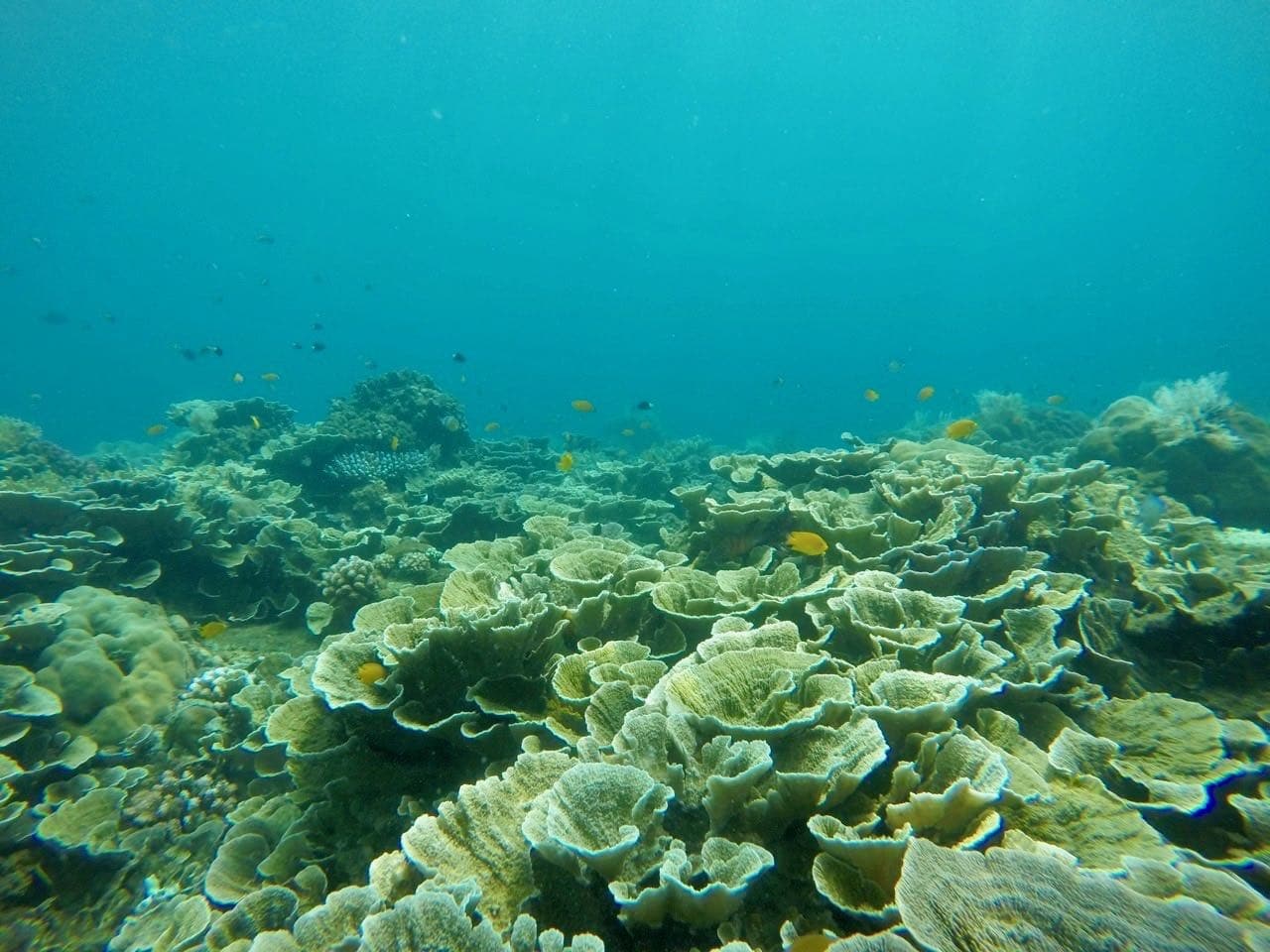
Hey wild one. If you care about the ocean and what goes on your skin, regular sunscreen is a problem. Oxybenzone, octinoxate, and a handful of other chemical UV filters bleach coral reefs, even in tiny amounts. They also disrupt human hormones. Hawaii banned them. Mexico banned them. Palau, Aruba, Bonaire, Thailand's marine parks, the Maldives. All restricted. That's the story on the label.
From experience comes awareness. From caring comes action.
Proper biodegradable mineral sunscreen exists. And it works. I've worn it surfing in Portugal, sailing across the Atlantic, freediving in the Caribbean, and on the 850 km GR11 traverse of the Pyrenees. Here's the straight-talking guide. Which reef-safe mineral sunscreen to actually buy. How to spot the fakes. And what to do if you want to make your own.
Quick picks: best reef-safe biodegradable sunscreens
- My personal favourite (EU only): Ohm Sun Safe SPF 30 (NL/BE via Bol.com, rest of EU via Ohm direct)
- Best overall (HEL certified): Badger Reef Safe Sport SPF 40
- UK & EU pick: Green People (UK-made, organic-certified)
- For tropical sun: Thinksport SPF 50+
- For sensitive skin and kids: Blue Lizard Sensitive SPF 50+
- For face (least white cast): Thrive Natural Care SPF 50
- For divers (plastic-free tin): Raw Elements SPF 30
Want to compare more brands in one place? iHerb stocks most reef-safe sunscreens (Suntribe, Coola, Mineral Fusion, plus the picks above) under one shipping order.
Prefer to make your own? Here's my 15-minute DIY mineral sunscreen recipe.
Why Biodegradable Sunscreen Matters
Coral reefs are in serious trouble. Half of the world's shallow coral reefs are gone or in steep decline. In the Caribbean, roughly 80% of reefs are believed to be dead. Climate change, acidification, plastic, overfishing, biodiversity loss. And then there's the sunscreen we smear on before jumping in.
An estimated 14,000 tons of sunscreen wash into the oceans every year. Even if you never swim in the sea, your sunscreen still gets into waterways through showers and toilets that drain to the ocean eventually. And oxybenzone (the most studied problem ingredient) shows up in human urine within 30 minutes of applying it. What washes off in the water also washes into you.
How Chemical Sunscreen Damages Coral
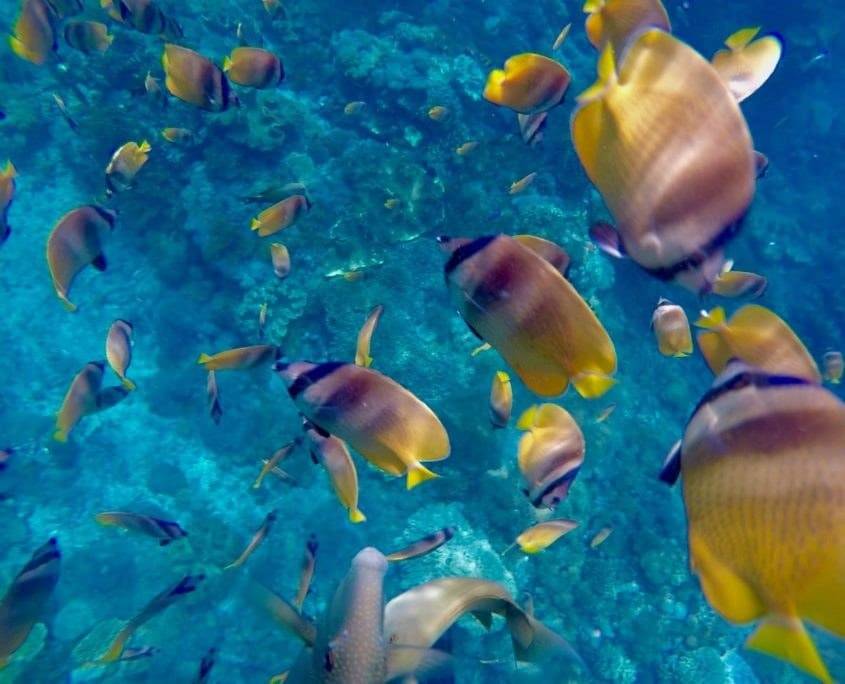
The average sunscreen on the shelf (think Aveeno, Nivea, Banana Boat, Hawaiian Tropic, Neutrogena) contains ingredients that damage coral and marine life. The worst offender is oxybenzone. It changes the DNA of coral cells so they can't reproduce. It starves younger corals. It makes coral absorb more heat, so they bleach faster. The coral turns white and dies.
Even small amounts damage reef ecosystems. That's why some destinations have banned mainstream sunscreen outright: Hawaii, Palau, Bonaire, Aruba, Key West, parts of Mexico (including Cozumel and Tulum), Thailand's marine parks, and the Maldives have all introduced bans or restrictions.

What Chemical Sunscreen Does to Your Body
If it does that to coral, what does it do to you? Many chemical UV filters are hormone disruptors. The biggest offenders are oxybenzone, octinoxate, homosalate, octisalate, and octocrylene. The Environmental Working Group (EWG) gives oxybenzone a hazard score of 8 out of 10. Studies have linked it to lower testosterone in young men, hormone changes, shorter pregnancies, and the presence of sunscreen chemicals in breast milk.
Too much sun is harmful. The sunscreen might be harmful too. Luckily, options exist.
How to Spot Reef-Safe Sunscreen (Read the Active Ingredients)
Any brand can slap “reef safe,” “organic,” “natural,” or “biodegradable” on the label. None of those terms are legally regulated. The only way to know for sure is to read the active ingredient list on the back.
The 8 ingredients to avoid
- Oxybenzone (in over 3,500 sunscreens worldwide)
- Octinoxate / Octylmethoxycinnamate (often in “long lasting” formulas)
- Octocrylene
- 4-methylbenzylidene camphor (4MBC) (banned in the US, still legal in Canada and parts of Europe)
- Octisalate
- Homosalate
- Avobenzone
- Ethylhexyl methoxycinnamate
The ingredients you want
Zinc oxide and titanium dioxide are the two mineral UV filters that are considered safe for reefs and for humans. The EWG recommends zinc oxide as the best sun protecting ingredient: strong protection, few health concerns, doesn't break down in the sun.
Two more things to look for:
- Non-nano on the label. Nano-sized mineral particles are small enough to be absorbed by you and by marine life. Non-nano is the safer choice.
- Simple ingredient list. The best sunscreens I've found have 4-8 ingredients, not 40. Fewer ingredients means less to worry about.
The Best Biodegradable Sunscreens in 2026
Preparation matters. If you're heading somewhere remote, buy your sunscreen before you go. Supply in tropical beach towns and marinas tends to be mainstream chemical stuff. The recommendations below are ones I've tested and use. All mineral (zinc oxide). All non-nano. All free from oxybenzone and octinoxate.
Ohm Sun Safe SPF 30 (my personal favourite, EU only)
This is the one I actually reach for. Ohm Sun Safe SPF 30 is a small Dutch-made mineral sunscreen that's become my go-to in the van. 20% non-nano zinc oxide, 77% certified organic ingredients, with raspberry seed oil, jojoba and cocoa butter. Reflects the sun beautifully, smells warm rather than chemical.
The catch: Ohm is European only. Not on Amazon. Here's where to get it:
Where to buy Ohm Sun Safe
- Netherlands and Belgium: Order on Bol.com (fast shipping)
- Rest of Europe: Order from The Ohm Collection (free EU shipping over €60)
Badger Reef Safe Sport SPF 40 (best overall)
Badger is the only widely-available sunscreen with HEL (Haereticus Environmental Lab) certification, which is the most rigorous reef-safe testing out there. Only 4 ingredients: zinc oxide, sunflower oil, vitamin E, beeswax. 98% organic. Woman-owned, family-run, B-Corp certified. Water resistant 80 minutes. If you want one bottle on hand for everything, this is it.
Check Badger Reef Safe Sport SPF 40 →
Green People Scent-Free Sun Cream SPF 30 (UK & EU pick)
Green People is UK-based, organic-certified, and makes one of the cleanest mineral sunscreens I've come across in Europe. Non-nano zinc oxide, no synthetic fragrance, suitable for sensitive skin. If you're in the UK or EU and don't want to wait on US shipping, this is what I'd buy. Bonus: their sunscreens come in a recyclable tube and they donate to marine charities.
Browse Green People natural sunscreens →
Thinksport SPF 50+ (for tropical sun)
Thinksport is popular with hikers, surfers, and divers. Non-nano zinc oxide, 80-minute water resistance, no PABA, no parabens. Rubs in clearer than most mineral sunscreens. A solid pick if you want SPF 50+ for tropical conditions or long days outside.
Blue Lizard Sensitive SPF 50+ (for sensitive skin and kids)
Blue Lizard is 100% mineral, fragrance-free, and built for sensitive skin. The bottle's Smart Cap turns blue in UV light, useful as a reapply prompt. Great for kids, babies, and anyone with reactive skin. Dermatologist-recommended for over 20 years.
Check Blue Lizard Sensitive SPF 50+ →
Thrive Natural Care SPF 50 (best for face)
Thrive Natural Care uses 23.5% non-nano zinc oxide but still applies sheer. Of the mineral sunscreens I've tested, this one leaves the least white cast, which makes it my pick for face and daily use. The company does regenerative farming and uses recycled plastic tubes.
Check Thrive Natural Care SPF 50 →
Raw Elements SPF 30 (for divers and watersports)
Raw Elements is popular with divers and marine biologists. Non-nano zinc oxide, available in a plastic-free tin (the whole reason I love it), certified reef-safe. Denser than lotion-style sunscreens, which means it stays on through swimming and sweating.
Want to compare more brands in one stop? iHerb stocks most reef-safe sunscreens (Suntribe, Coola, Mineral Fusion, plus the picks above) under one shipping order.
Where to Buy Depending on Your Country
The Amazon links above auto-route to your country's Amazon, so they work for most regions. Beyond that, here's where I'd actually look by country:
- Netherlands & Belgium: Ohm via Bol.com (top pick), Big Green Smile NL, or Natural Heroes for natural skincare in general.
- UK: Green People (UK-made, top pick), Holland & Barrett, Big Green Smile UK, or Natural Collection.
- Rest of Europe: Ohm Collection direct (free EU shipping over €60) or iHerb for international shipping.
- USA: Amazon US (the picks above auto-route) or iHerb for one basket of multiple brands.
- Australia: iHerb ships to Australia and is usually cheaper than local health shops. Amazon AU also routes via the picks above.
- Anywhere else: iHerb ships to most countries and stocks the full lineup.
- Local first: Check your herbal shop, eco store, or pharmacy. Small entrepreneurs often make beautiful mineral sunscreens locally. Here's why local matters.
Tip: buy your reef-safe sunscreen before you travel. Remote beach towns and island supermarkets rarely stock mineral sunscreens. I've seen friends arrive in Bali or Bonaire and end up using the chemical stuff they were trying to avoid because that's all there was.
Make Your Own Natural Sunscreen
The cleanest option is DIY. I've been making my own mineral sunscreen for years now. 7 ingredients, 15 minutes, approximately SPF 25 (adjustable higher), costs a fraction of buying commercial. I use it surfing, hiking, and sailing. It works. Knowing exactly what goes on my skin feels good.

Read the full DIY sunscreen recipe here. Ingredients, step-by-step, and FAQs.
How to Protect Yourself from the Sun (Beyond Sunscreen)
Sunscreen should be the last line of defence, not the only one. Before you reach for any bottle, consider:
- Cover up. Long sleeves, a cap, sunglasses, a surf hat. Clothing is the best sun protection there is.
- Time it right. Be outside in the morning and late afternoon. Seek shade between 11am and 3pm when the UV is strongest.
- Check the UV index. Apps like Sunburnmap tell you how intense the UV is where you are.
- Eat primal. Tomatoes, seaweed, green tea, coconut oil, nuts, berries, and even wine contain compounds that protect skin from UV damage.
- Get some sun. Sun gives you vitamin D, and vitamin D helps protect your skin. Around 1 billion people worldwide are vitamin D deficient. Smothering yourself in SPF 50 all day every day isn't healthy either.
- Build up. Short gradual exposure lets your skin build its own protection. Avoid long midday sessions when you haven't seen the sun all winter.
After-Sun Care: Repair from the Inside Out
No matter how well you prepare, a life of sailing, surfing, and watersports takes a toll on your skin. I've had my share of UV damage. What helps most comes from the inside out: sleep, hydration, clean food, less stress.
For topical care after a day in the sun, I keep it simple:
- Fresh aloe vera straight from the plant. Nothing beats it. I grow one in the van in summer and it's saved me many times.
- Coconut oil. Soothing, hydrating, smells like the tropics. Use cold-pressed and organic.
- Avocado or papaya mashed as a mask. Sticky, colourful, messy. But your skin drinks it up.
- Eating well. Tomatoes, berries, green tea, fatty fish, nuts. Your skin repairs from what you eat more than what you rub on.
Skip mainstream after-sun lotions. Most are loaded with fragrances and chemicals that add to the damage already done by the sun.
Beyond the Bottle
Switching your sunscreen is one small lever. The bigger ones happen in community. People living on and around the water, doing the slow, hard work for it. Sailors, surfers, divers, ocean people. That's why I keep Ocean Nomads going. If that's your kind of crew, come find us.
Frequently Asked Questions
Is “reef-safe” on the label a guarantee?
No. The term is legally unregulated. Any brand can print it. The only way to know is to check the active ingredients on the back of the bottle. If it contains oxybenzone, octinoxate, octocrylene, avobenzone, homosalate, or octisalate, it's not reef-safe regardless of what the front says. If it contains only zinc oxide and/or titanium dioxide, it's genuinely mineral.
What's the difference between biodegradable, reef-safe, and mineral sunscreen?
In practice, these terms overlap. “Mineral” refers to the active ingredients (zinc oxide, titanium dioxide) that physically reflect UV. “Reef-safe” means the sunscreen doesn't contain ingredients that damage coral. “Biodegradable” means it breaks down in the environment without leaving toxic residue. A properly-formulated mineral sunscreen is usually all three. A chemical sunscreen with zinc oxide added on top is not.
Why does mineral sunscreen leave a white cast?
Zinc oxide is white and reflects light. That's how it works. All mineral sunscreens leave some white cast. The newer formulas (like Thrive and Thinksport Clear Zinc) use smaller-particle non-nano zinc to reduce the effect, but some white cast is part of the trade-off. Rub it in well and the cast fades in a few minutes.
Is titanium dioxide safe?
In sunscreen, yes, titanium dioxide is considered safe and reef-safe as long as it's non-nano. It's less effective against UVA than zinc oxide, so many brands combine the two. The main concern with titanium dioxide is inhalation (which is why spray sunscreens are problematic), not topical application.
Is nano zinc the same as non-nano zinc?
No. Nano zinc has particles smaller than 100 nanometers, small enough to be absorbed by your skin and by marine life. Non-nano has larger particles that stay on top of the skin and don't penetrate. Always look for “non-nano” on the label. It's the safer choice for you and the reef.
Which mineral sunscreen is best for kids?
Blue Lizard Sensitive or Badger. Both are zinc oxide-based, fragrance-free, and gentle on sensitive skin. Avoid spray sunscreens for kids (inhalation concern with titanium dioxide) and stick with lotions.
Is homemade mineral sunscreen as effective as commercial?
For daily use and moderate sun, yes. The active ingredient (zinc oxide) is the same. The limitation is you can't lab-test your exact SPF, so you can't guarantee the exact number. For extreme conditions (tropical midday sun, long water exposure, babies, very fair skin), a lab-tested commercial mineral sunscreen gives you more certainty. I use DIY for most days and keep a tested commercial one for high-intensity conditions.
What about spray sunscreens?
Skip them. Most spray sunscreens contain chemical UV filters. The few mineral sprays that exist have issues too: titanium dioxide is not meant to be inhaled, the aerosol propellants are problematic, and you apply much less product than you think you're applying. Lotions and sticks are better.
Learn More
- How to Make DIY Natural Sunscreen in 15 Minutes
- The 7 dangerous ingredients of sunscreen
- Why oxybenzone and octinoxate are bad for reefs
- A single drop of sunscreen can kill coral
- EWG Sunscreen Guide
Related Reading
- DIY Natural Sunscreen Recipe
- Trail Hygiene: Staying Cleanish While Hiking and Wildcamping
- Biodegradable Shampoo for Travel
- Natural Toothbrush: The Miswak Branch
- Zero Waste Travel Kit
- Conscious Gift Guide for Ocean and Outdoor People
- Portable Water Filtration Solutions
- Best Compost Toilets for Van Life
What's your favourite reef-safe sunscreen? Have they gone plastic-free yet? Drop a comment, send a photo, tag me.
References
- Caribbean coral reef loss (The Guardian)
- Effects of sunscreen on coral bleaching (NCBI)
- 5 sunscreen ingredients to avoid (Treehugger)
- Sunscreen poisoning ocean reefs (NYT)
- The trouble with sunscreen chemicals (EWG)
- EWG Sunscreen Guide
- Nanoparticles in sunscreen (EWG)
As always, opinions are my own. No brand is paying me to write this. Some product links are affiliate links. At no extra cost to you, orders through this website help me keep creating independent content about ocean action and natural living. Here are more ways to support.