

Hey wild one. You're heading out on a hike, a backpacking trip, or a solo adventure, and you don't want to carry water for days or keep buying plastic bottles at every village stop. Fair.
From experience comes awareness. From caring comes action.
After 6,000+ km on trail and years living out of a campervan and chartered sailboats, I've tested just about every portable filter worth testing. Here are the 11 solutions I actually trust, from ultralight squeeze filters to DIY tricks your grandma probably knew about.
Why trust this review. I've hiked and sailed thousands of miles and lived nomadically pretty much my whole adult life, cultivating a conscious nomadic lifestyle with nature. Every filter in this guide has been tested on a real trip, not a kitchen counter. I'm a long-time Maunawai user (they sponsored one filter for testing years back, more on that in the disclaimer). All opinions are my own.
What this guide is not: this is for solo and personal use. Heading out on a sailing charter or van trip with 3-8 people? Use my group water filter guide for sailing and van life instead.
Some links below are affiliate links. I only include filters I've actually used or closely tested.
If you want the short answer before reading the full guide: for ultralight hiking I carry the Katadyn BeFree. It's 59 grams and fits in a running vest pocket. The Maunawai hiking filter is what I use for daily nomad life (5% off with code OP2020, 10% for Ocean Nomads members). And for long-distance thru-hiking, the Sawyer Squeeze is the trail-tested classic. Everything else in this guide is context, alternatives, and the water-source situations where each one actually makes sense.
One important thing before we go further. Most portable filters in this guide remove bacteria and protozoa but not viruses. If you're travelling to regions where waterborne viruses are more common, combine filtration with a UV purifier like the Steripen, or choose a dedicated purifier such as the LifeStraw Peak Series Purifier or GRAYL GeoPress.
Why a Travel Water Filter Actually Matters
Water is life. It's not optional. And roughly 1 in 4 people on the planet (about 2.2 billion) still don't have safe drinking water at home. For them, collecting water is a daily priority.
The rest of us have it easier. We open a tap. We grab a plastic bottle. We assume someone somewhere has checked the thing we're drinking.
That assumption is how water went from being a free natural resource to one of the most profitable commercial products of the last century. Sold back to us in plastic, often from the exact same source we'd pay to avoid. That doesn't sit right with me.
Facts on Plastic Bottled Water
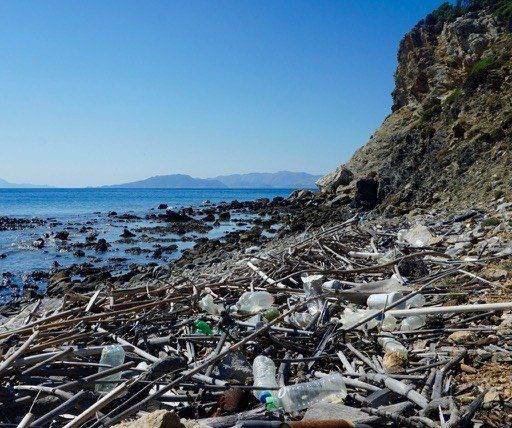
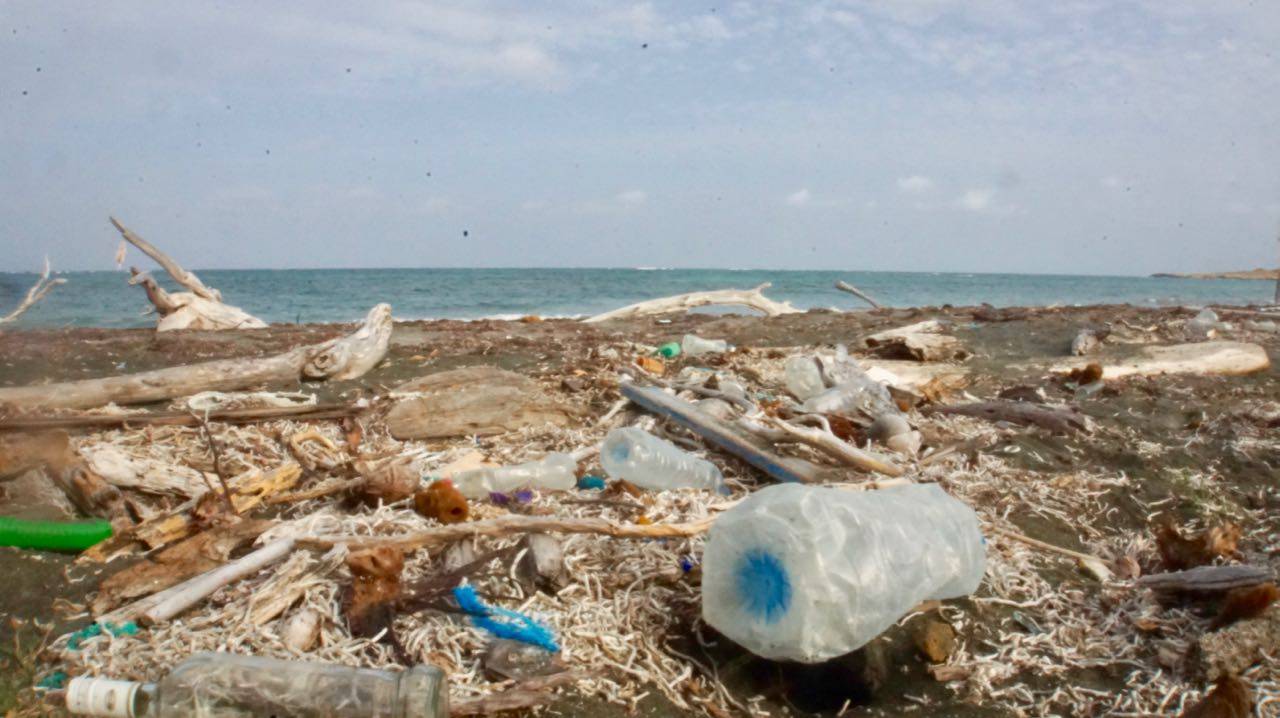
- Every year, an estimated 19 to 23 million tonnes of plastic waste leak into aquatic ecosystems. UNEP compares this to 2,000 garbage trucks of plastic dumped into oceans, rivers, and lakes every single day.
- Only a small fraction of global plastic ever gets recycled. The rest ends up in landfills, incinerators, or leaking into the environment.
- The amount of water used to make a single plastic bottle can be six to seven times what's inside it.
- Tiny plastic particles have been found in over 90% of the world's most popular bottled water brands, often at higher concentrations than tap water.
- Tap water is more heavily regulated than bottled water. One study found only 55% of bottled water brands are actually spring water. The rest is sold as bottled water but is really just treated tap water.
- When plastic bottles sit in heat, chemicals can leach into the water, some linked to hormone disruption.
Bottled water comes with real costs for the ocean, your wallet, and potentially your health. The good news: the alternatives are cheaper, healthier, and easier than most people think.
Portable Water Filter Comparison: Hiking and Solo Travel
| Filter | Best Water Source | Removes | Weight | |
|---|---|---|---|---|
| Katadyn BeFree (0.6L) | Streams, lakes, springs | Bacteria, protozoa | 59 g | check near you |
| Maunawai hiking | Taps, tanks, streams | Bacteria, protozoa, chlorine, heavy metals | ~100 g | check near you |
| Sawyer Squeeze | Streams, lakes, springs | Bacteria, protozoa | ~85 g | check near you |
| LifeStraw Peak | Streams, emergency | Bacteria, protozoa (Purifier: viruses too) | ~55 g | check near you |
| Water-to-Go | Urban taps, international travel | Bacteria, viruses, chemicals | ~170 g | check near you |
| Purinize drops | Unknown sources, emergency | Natural mineral salt purification | ~60 g | check near you |
| Charcoal stick | Already-safe tap water (taste) | Heavy metals, chlorine, taste | ~30 g | check near you |
11 Travel-Friendly Ways to Get Clean Drinking Water Without Plastic
The best travel water filter is the one that works for you in your specific situation. Here are 11 different solutions, from ultralight gear to clever DIY tricks. Most of these can be combined.
1. Fill a reusable bottle with tap water
In most places in Europe and North America, tap water is as safe as bottled water (often safer, thanks to tighter regulation). It's a privilege to have access to clean drinking water. Use it. If you're worried about the taste or quality, combine it with one of the other solutions below.
If a bar or restaurant refuses to give you tap water because they sell bottled water, share some ocean facts with the owner. Or just go somewhere else.
2. Boil water
What your grandma did. According to the World Health Organization, boiling water kills pathogens (bacteria, viruses, protozoa). It doesn't remove chemical contamination like pesticides, herbicides, or industrial pollution. The Center for Disease Control recommends boiling for at least 1 minute (3 minutes at high altitudes) and letting it cool naturally. Simple, reliable, free.
3. Let water sit in sunlight and air
Most municipalities add chlorine to tap water. Chlorine evaporates when exposed to air and sunlight. Let tap water sit uncovered in a jug for 24 hours and the chlorine taste will disappear. Not a full purification method, but useful for removing the chemical taste from treated water that you know is safe.
4. Fruit peel filtration (interesting, not field-reliable)
Not something I rely on in the field, but an interesting low-tech method worth knowing. Researcher Mallampati found that apple and tomato peels absorb pollutants including heavy metals, chemicals, nanoparticles, dyes, and pesticides. Banana peels have shown similar promise.
How it works: Soak the peels in a rubbing alcohol solution, dry them out, then put them in water for two hours. It shows how natural materials can bind contaminants. A fun DIY experiment for an extended stay in one place, but I'd always combine it with another method (filter, boiling, or drops) for drinking water in the field.
5. Purifying drops
Drops are lightweight and cheap. Most options on the market use iodine or chlorine as the purifying agent. Iodine is stronger and handles most pathogens, but iodine and chlorine drops are best used short-term since extended use can be hard on the body.
The only natural drops I've found that are free of iodine and chlorine are Purinize. They use sulfate mineral salts to disinfect and clarify water. Add a few drops to contaminated water, wait about an hour, and the dirt and contaminants settle at the bottom. You can pour off the clear water or combine with a filter for extra clarity. Lightweight, long shelf life, travel-friendly.
6. Activated charcoal sticks
Mother nature's filter. Activated charcoal naturally bonds with mercury, chlorine, copper, and lead. I now keep one in my nomad kit as a standard.
How to use: Place a charcoal stick in a jug or bottle of water and let it sit for a few hours. The stick works for up to 4 months, and you can refresh it by boiling. Activated charcoal is not effective against viruses or some dissolved inorganic contaminants, so combine with another method if you're in a region with higher risk. But as a daily zero-waste water improver, it's hard to beat.

Explore charcoal sticks near you
7. Filter straws
Filter straws (like the LifeStraw) use a microscopic mesh to eliminate bacteria and protozoa as you drink directly from a water source. LifeStraw filters up to 1,000 litres per cartridge without chemicals. Popular with long-distance hikers because of the weight. They don't remove most chemicals, heavy metals, or viruses (unless you get the Peak Series Purifier version). Simple and proven.
8. Squeeze bottles and filter bottles
A squeeze bottle with a built-in filter has saved me from hundreds of plastic bottles over the years. Fill the bottle from any water source, screw on the filter, and squeeze filtered water into your mouth or another bottle.
My favourites in this category:
- Katadyn BeFree (0.6L, 1L, or 3L): 59 grams for the 0.6L. Hollow-fibre 0.1 micron filter. Flow rate up to 2 litres per minute. What I use for ultralight hiking.
- Maunawai Squeezable Hiking Filter: multi-stage filter (ceramic, activated carbon, mineral stones). Slightly heavier but better taste profile. My daily nomad choice.
- Water-to-Go hiking bottle: removes viruses too. Good for international travel to areas with higher viral risk.
- Sawyer Squeeze: the thru-hiker classic. Long filter life, durable, trusted across the Pacific Crest Trail and Appalachian Trail for years.


Ocean Nomads members get 10% off Maunawai
Our community members get double the public discount (10% vs 5%) on all Maunawai products, including the hiking filter and Kini pitcher. One of the many small perks of travelling with this crew. See what's inside Ocean Nomads.
9. Screw-on faucet filter
Screw-on faucet filters attach directly to a tap. Useful when you're staying in a rental house, Airbnb, or hostel where you don't trust the tap water but you're staying long enough for a permanent setup. A bit bulky for backpack travel, but great for digital nomads doing longer stays.
10. Copper bottle (Ayurveda wisdom)
Recommended in Ayurveda for thousands of years. Copper naturally disinfects water and, according to traditional medicine, adds beneficial qualities to the taste. When I'm not on a sailing trip or hike, I drink from a copper glass in my campervan. Not a replacement for filtration in a questionable water area, but a beautiful daily ritual for tap water.
Explore copper water bottles near you
11. Don't forget the reusable bottle itself
None of the above works without a reusable bottle to actually carry your water. Options I've tested:
- Stainless steel: durable, plastic-free, tastes clean. Heavier than alternatives.
- Tritan copolyester: BPA-free plastic that doesn't leach chemicals into water. Much lighter than steel.
- Titanium bottle: ultralight, lifetime warranty on most models. My pick for thru-hiking where every gram matters. Expensive upfront but should last forever.


My 2026 Water Filter Setup
My setup is a bit all over the place, and that's honest. Some months I'm on a sailing boat. Some I'm in my campervan. Some I'm thru-hiking solo, some I'm hosting group trips across Europe or somewhere the water's a gamble. Here's what I actually use:
- In my campervan: a Maunawai filter installed in the hose line for daily drinking water.
- For sailing trips and backup: the Maunawai Kini pitcher. See my full Maunawai Kini review.
- For shorter hikes and daily nomad use: the Maunawai hiking filter (squeeze bottle format). The multi-stage filter produces water I personally enjoy drinking daily.
- For ultralight thru-hiking: the Katadyn BeFree 0.6L. At 59 grams, it disappears into a running vest pocket. I used this on parts of the GR11 Pyrenees thru-hike.
Use code OP2020 for 5% off Maunawai products. Ocean Nomads community members get 10% off.
What I've learned over the years: no single filter solves every scenario. I use different tools for different environments. On a boat with an onboard water-maker AND filter, I trust it without extra steps. If the boat only has a water-maker (no filter), I add my own filtration. I learned that the hard way once (food poisoning from a water-maker-only boat). When hiking, I match the filter to the terrain and water sources. When in a van or Airbnb, I use the Maunawai or charcoal stick daily.
The habit of always carrying a reusable bottle is built-in. I refill from taps wherever the water is safe. When in doubt, I filter.
Who This Guide Is Not For
Being honest about the limits of this guide so you don't waste your time:
- If you need to desalinate seawater. No portable filter here does that. You need a water-maker installation.
- If you want a built-in permanent van or boat system. Check my sailing and van filter guide or reach out for charter boat consulting.
- If you're filtering for large groups (6+) daily. Stick to bigger pump systems or gravity filters.
- If you're doing expedition-level work in extreme environments (high-altitude glacial sources, post-disaster zones, industrial contamination). You need specialist gear beyond what's here.
- If you only want the absolute lightest solo hiking setup with no community or zero-waste angle. There are dedicated ultralight forums that obsess over grams more than I do.
How Do You Know If It's Safe to Drink?
The honest answer: unless you're sending samples to a lab, you don't know with 100% certainty. Here's what I've found in years of doing this:
- I ditched plastic mainly because I've seen bottles floating in the middle of the Atlantic Ocean. Every bottle made still exists somewhere.
- Water quality reports from manufacturers and independent tests generally support the claims on the filters I recommend, but I still rely on real-world use and sometimes combining methods for confidence.
- I trust my own filtration process more than bottled water that's been sitting on a dock in the sun.
- For extra confidence, travel with water test strips (though few are highly accurate) or combine methods: purifier drops + filter, or filter + UV pen.
In my experience across thousands of days of travel, I haven't had issues with filtered water from reliable systems. The one time I got badly sick was when I trusted a boat water-maker without additional filtration.
Skeptical? Test Your Water
You can order a water test kit through Maunawai. They partner with a lab for proper analysis, which is the only real way to know what's in your water. Order a Maunawai test kit here (5% off with code OP2020).
Going Sailing or Vanlife with a Group?
This guide is for solo and personal use. If you're heading out on a sailing charter or a van trip with 3-8 people, the filtering needs are different. Bigger systems (Maunawai Kini pitcher, countertop ceramic, Katadyn Pocket) work better for groups. Check out my guide to the best portable water filters for sailing charters and van life for group-sized solutions.
Marja Kok, a circumnavigator and superyacht captain, dedicates her work to improving water sourcing on yachts and superyachts. Learn more at WaterwithoutWaste.org.
Frequently Asked Questions
What are the cheapest plastic-free water filtration options for travel?
Boiling water is free. Beyond that, a charcoal stick (around €10) and a filter straw like LifeStraw (around €25) are the most affordable lightweight options. For the cost of 2-3 months of bottled water, you can set yourself up with a system that lasts years.
Can I use a water purifier instead of a filter when travelling abroad?
Yes, and in some regions you should. Water purifiers like the LifeStraw Peak Series Purifier or a UV Steripen kill viruses, which most standard filters don't handle. For destinations where viral contamination is a known risk (parts of Asia, Africa, and South America), a purifier or filter-plus-UV combination is the safer setup.
How long does a typical travel water filter last?
Filter lifespan varies widely by type. A Katadyn BeFree filter handles up to 1,000 litres. A Sawyer Squeeze can last for tens of thousands of litres with proper care. Charcoal sticks last around 4 months. Purifier drops have multi-year shelf lives. Check the spec of whatever you buy and factor filter replacement into the long-term cost.
What's the best water filter for hiking and backpacking?
For ultralight hiking, the Katadyn BeFree (59 g) and Sawyer Squeeze (~85 g) are the two most popular choices. Both filter bacteria and protozoa. Thru-hikers on the Pacific Crest Trail and Appalachian Trail overwhelmingly use these two. I carry the Katadyn BeFree for ultralight trips.
Do water filters remove viruses?
Most portable water filters (Katadyn BeFree, Sawyer Squeeze, LifeStraw Personal) remove bacteria and protozoa but not viruses. Viruses are too small for standard filter pores. If you need virus protection, look for a purifier specifically labeled as such (LifeStraw Peak Series Purifier, GRAYL GeoPress, Water-to-Go bottles with 3-in-1 technology) or combine a filter with UV treatment like a Steripen.
Does a filter change the taste of water?
Yes, most filters improve taste by removing chlorine, sediment, and some chemicals. Filters with activated carbon (like Maunawai) are particularly good at taste. If you want to add a touch of flavour, a drop of lemon essential oil or a slice of cucumber works well without adding calories or plastic packaging.
Can I drink filtered water straight from a river or lake?
With the right filter, yes, but always use common sense. Avoid water downstream of livestock, agricultural runoff, or industrial activity. Pre-filter through a bandana if the water is cloudy or has sediment, since this extends your filter's life. For high-confidence drinking from natural sources, combine a filter with a UV purifier or chemical drops.
Is bottled water safer than filtered tap water?
Not necessarily. About 45% of bottled water is actually just treated tap water. Studies have found microplastics in over 90% of bottled water brands. Tap water is also more strictly regulated than bottled. In most developed countries, filtered tap water is at least as safe as bottled, often safer, and without the plastic waste.
Related Reading
- Best Portable Water Filters for Sailing Charters and Van Life (Groups of 3-8)
- Full Maunawai Kini Review
- More #plasticFREEnomad hacks
- How to Reduce Ocean Waste When Sailing
- Join the Ocean Nomads community
The best water filter is the one you'll actually use. Not the one with the best lab specs, not the one with the biggest Instagram following. The one you reach for without thinking.
What's yours? Drop a comment below, or come hang out with us inside Ocean Nomads where the full adventure travel lifestyle talk happens.
Opinions here are my own. No brand pays me to write. Maunawai provided a filter for testing after 2+ years of being my preferred brand, and I continue to recommend them because they work. Some links are affiliate links. If you buy through them, I earn a small commission at no extra cost to you, which helps keep this blog ad-free and running. Try to source locally first when possible. The information here is based on personal experience, not laboratory testing. Use your own judgment when assessing water safety. More ways to support ocean awareness and action. Splashthanks!












Cool post Suzanne!
I am really interested in traveling too :)
Thanks again !
Thanks a lot
I love traveling
It’s been years since I last purchased bottled water. I bought my own container and that what I use ever since.
It’s important to know how to be able to tell the taste of water apart since water just so happens to be a basic need and drinking dirty water can make one get sick. Knowing how and when to filter water should always be at the top of anyone’s survival list, since without water man can’t survive for too long. If I had the choice to look for drinking water I would at least carry a small filter with me for any emergencies.
I prefer to drink water than Mineral Water, while tap water I use it for the dishes. Because tap water contains impurities.